

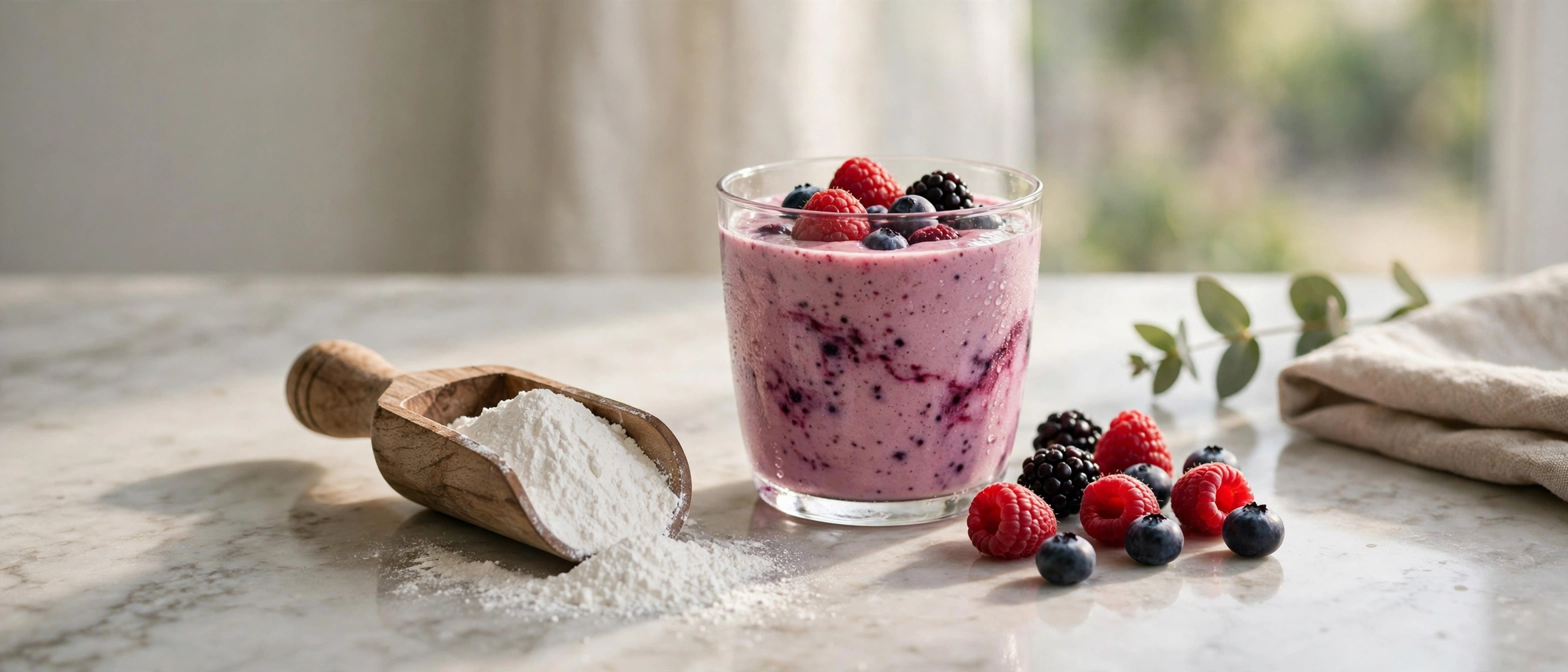
Collagen powder has a way of sneaking into routines. One scoop in the morning coffee, every morning, and suddenly it is as much a habit as the coffee itself. Sports Research Collagen Peptides is one of the products that built that habit for a lot of people — an unflavored, grass-fed bovine collagen powder that markets itself as the thing you stir into hot drinks without thinking about it. This review looks at what the product actually offers, where it shines, and the complaints that keep showing up.
As with every review on this site, one boundary: this is a research-based review. I did not run a personal supplementation trial, and I will not describe firsthand effects I did not measure. What follows is the product’s specs, its claims, and what buyers consistently report.
Product at a Glance
| DETAIL | SPEC |
|---|---|
| Photo | 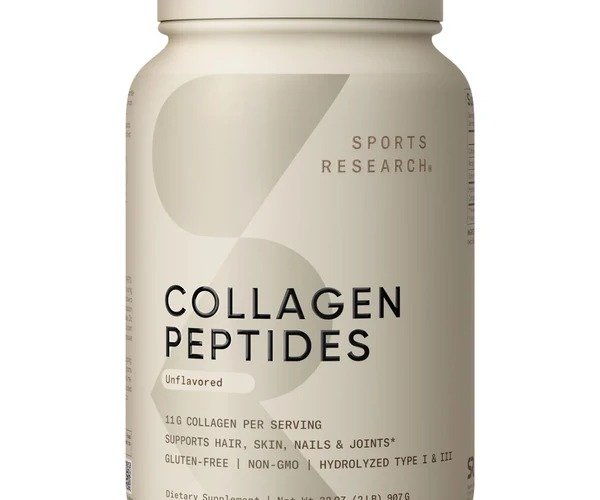 |
| Product | Sports Research Collagen Peptides — Hydrolyzed Type I & III Collagen |
| Key specs |
|
| Best for | Adults wanting an unflavored, grass-fed bovine collagen powder to stir into coffee or smoothies |
| Check price | Check Price on Amazon |
As an Amazon Associate we earn from qualifying purchases.
What the brand claims
Sports Research positions this as a premium collagen: hydrolyzed Type I and III peptides from grass-fed, pasture-raised bovine hides, unflavored so it disappears into drinks. The brand’s claims, as claims: it supports healthy skin, nails, and joints; it is third-party tested for heavy metals; and the brand calls it “The World’s First Organic Collagen Peptides.” Treat those as marketing statements to evaluate, not established facts — more on that below.
What is actually in the tub
Each scoop delivers 11 grams of hydrolyzed bovine collagen peptides, Types I and III. “Hydrolyzed” means the collagen has been broken into smaller peptides, which is what makes it dissolve in liquid at all — non-hydrolyzed collagen would just sit there. The container holds 41 servings, which works out to a little under six weeks at a scoop a day.
The sourcing is the product’s main differentiator: grass-fed, pasture-raised bovine hides. Whether grass-fed sourcing changes the nutritional profile of the finished peptides in a meaningful way is debatable, but it matters to buyers who care about how the source animals were raised, and the brand leans into it.
The rest of the label is about what is not there: unflavored, non-GMO, gluten-free, dairy-free. Keto and Paleo certifications are reported in third-party review coverage. For a product whose entire job is to vanish into your coffee, a short, clean label is the point.
What buyers consistently like
The most repeated praise is about mixing. Reviewers consistently note that this powder dissolves into hot coffee without clumping — which sounds like a low bar until you have tried a collagen that turns your mug into a lumpy mess. Being genuinely unflavored matters too: buyers say it is easy to add to drinks, smoothies, and even soups without changing the taste.
The second theme is value. For a certified, third-party-tested collagen from grass-fed sources, buyers generally consider the per-serving cost reasonable — especially next to boutique collagen brands that charge considerably more for similar specs.
The honest complaints
The mixing praise comes with a well-documented asterisk: cold liquids. This powder clumps in cold water and cold drinks — and the brand’s own FAQ acknowledges it, recommending that you add the powder before room-temperature liquid rather than dumping it into an ice-cold glass. If your plan is iced coffee or cold smoothies, expect to work around this: dissolve it in a little warm liquid first, or blend rather than stir.
The other recurring complaint is taste — or rather, the faint presence of one. Some users report a slight aftertaste, especially when the powder is mixed with plain water. It is unflavored, not flavorless, and in coffee or a smoothie nobody notices; in a glass of water, some people do.
Red flags and honest disclosures
It is an animal product. Bovine collagen comes from cattle hides, so this is not vegan- or vegetarian-friendly. If you avoid animal products, look at plant-based “collagen support” formulas instead — keeping in mind those are a different category of product, not actual collagen.
The beauty and joint claims are marketing, not established medicine. The brand says the product supports healthy skin, nails, and joints. Those are brand marketing claims, not FDA-established effects. Collagen supplementation is a popular wellness habit, but you should treat the promised outcomes with the skepticism any supplement claim deserves.
Check with a healthcare professional first if it applies to you. Consult a healthcare professional before use if you are pregnant, nursing, or taking medications. That is standard supplement guidance, and it applies here.
Allergen note. This is a bovine-sourced product. If you have beef allergies, check the label carefully and talk to your doctor before trying it.
Who this is a good fit for
This powder makes the most sense for adults who want an unflavored, grass-fed bovine collagen to stir into hot coffee or smoothies — people for whom the daily scoop is a habit they want to keep simple. It is a reasonable pick if you value third-party testing and clean sourcing, and you mostly drink your collagen hot.
It is a weaker fit if you live on iced drinks (the cold-liquid clumping will annoy you daily), if you need a vegan product, or if you are buying it mainly for promised skin, hair, or joint transformations — those are marketing claims, not guarantees.
Final verdict
Sports Research Collagen Peptides does its core job well: it is an unflavored, grass-fed collagen powder that dissolves cleanly in hot coffee, comes from a brand with third-party testing, and costs less per serving than many boutique competitors. The cold-liquid clumping is real and acknowledged by the brand itself, the aftertaste in plain water bothers some users, and the headline health claims should be read as marketing. If you want a simple scoop-for-coffee collagen habit, this is a solid option.
How many scoops per day?
The label’s serving size is one scoop — 11 grams of collagen peptides — and that is what most buyers use daily, typically stirred into coffee. Using more than the serving size does not make it work better; one level scoop a day is the standard routine.
Does it dissolve in coffee?
In hot coffee, yes — reviewers consistently report that it dissolves without clumping, which is one of the product’s most praised traits. In cold or iced drinks it tends to clump; the brand’s own FAQ recommends adding the powder before room-temperature liquid to minimize this.
Is it really grass-fed?
According to the brand, the collagen comes from grass-fed, pasture-raised bovine hides. Whether grass-fed sourcing changes the nutritional profile of the finished peptides is debatable, but the sourcing claim is central to the product’s positioning and its price.
Collagen peptides vs collagen powder — what’s the difference?
Mostly terminology. ‘Collagen peptides’ usually means hydrolyzed collagen — broken into smaller peptides so it dissolves in liquid. Non-hydrolyzed ‘collagen powder’ would not dissolve well. This product is hydrolyzed, which is why it mixes into hot drinks.
