


Few household problems create panic like discovering fleas — or worse, bed bugs. And few products promise an easier fix than the bug fogger: set the can, leave the house, come back to dead insects. The Hot Shot BedBug and Flea Fogger leans hard into that promise, with a 3-pack of total-release cans built around an insect growth regulator called Nylar.
But foggers are also one of the most misunderstood pest-control products on the shelf. They work very differently depending on which pest you’re fighting, and entomologists have published some uncomfortable findings about how they perform against bed bugs in particular.
This review gives you the honest picture: what the Hot Shot fogger actually does, where the flea-fighting ingredient genuinely helps, why it’s a poor standalone answer for bed bugs, and the safety rules you need to follow if you use one.
Product at a Glance
| DETAIL | SPEC |
|---|---|
| Photo | 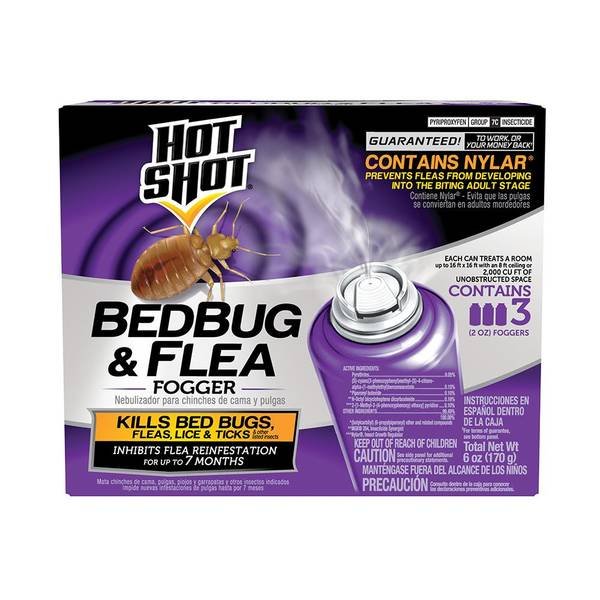 |
| Product | Hot Shot BedBug and Flea Fogger, 3 Count, 2 oz cans (HG-95911) |
| Format | 3-pack of 2 oz total-release aerosol cans |
| Coverage | Each can treats up to 2,000 cu ft of unobstructed space |
| Key ingredient | Nylar insect growth regulator — inhibits flea reinfestation for up to 7 months (per label) |
| Kills (label) | Bed bugs, fleas, lice, ticks, and other listed insects on contact |
| Label safety | Vacate treated areas for 2 hours; turn off ALL ignition sources, including pilot lights |
| Best for | Minor flea problems as one part of a broader treatment plan (vacuuming, laundering, targeted insecticides) — not as a standalone bed bug solution |
| Get it here | Check Price on Amazon |
As an Amazon Associate we earn from qualifying purchases.
How a Total-Release Fogger Works
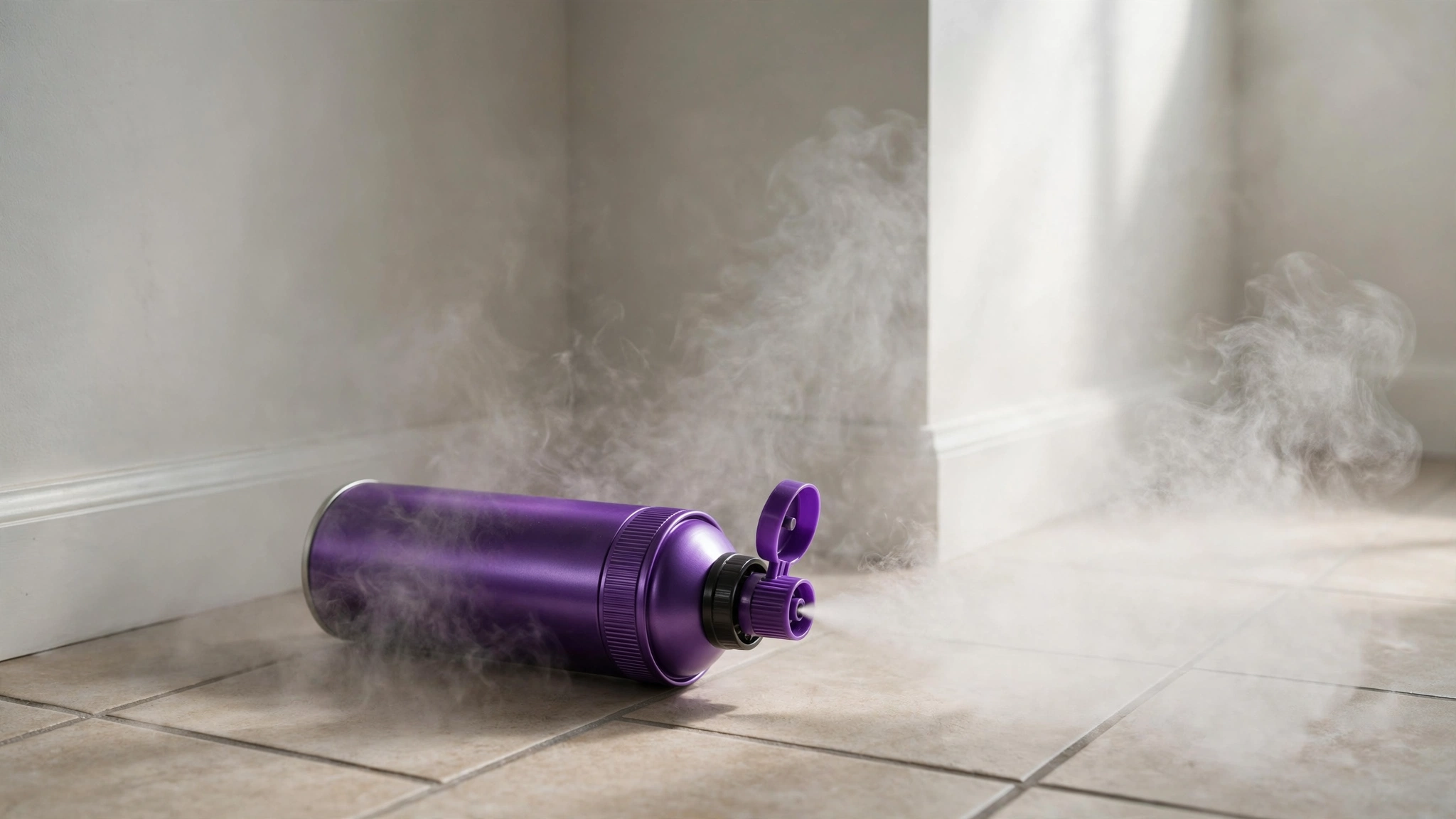
A “total-release fogger” — the technical name for a bug bomb — is an aerosol can that empties its entire contents at once, filling a room with a fine insecticide mist. You place the can, press the tab, and leave.
The Hot Shot formula pairs a contact insecticide with Nylar, an insect growth regulator (IGR). The contact killer handles adult insects the mist reaches; the Nylar disrupts the flea life cycle, preventing eggs and larvae from developing into biting adults. Per the label, that IGR protection inhibits flea reinfestation for up to 7 months. That two-punch design is the product’s real strength — and understanding its limits is the key to using it well.
The Bed Bug Problem: What the Research Says
Here is the uncomfortable part. Ohio State University entomology research tested total-release foggers against bed bugs and found them largely ineffective in the insects’ harborages — the cracks, seams, and crevices where bed bugs actually live. The mist simply does not penetrate those hiding spots.
Worse, foggers can scatter bed bugs deeper into walls, furniture, and adjacent rooms as the insects flee the irritant mist. That means a fogger used against an entrenched bed bug infestation can leave you with a wider, harder-to-treat problem than you started with. For bed bugs, this product is at best a complement to comprehensive treatment — thorough inspection, vacuuming, laundering, targeted insecticides, and often a professional — never a replacement for it.
Where It Actually Helps: Fleas
Fleas are a different story, and it is the Nylar that makes the difference. Flea eggs and larvae develop in carpets, pet bedding, and floor cracks — exactly the environments where an IGR shines. By preventing the next generation from maturing, Nylar breaks the cycle rather than just killing the adults you can see.
That makes the Hot Shot fogger a reasonable component of a flea plan: vacuum thoroughly (which also stimulates pupae to emerge), launder pet bedding on hot, treat pets with a veterinarian-recommended product, and use the fogger to lay down IGR protection across rooms. As one piece of that routine, it earns its place. As the entire plan, it does not.
Safety Rules You Can’t Skip
Foggers demand respect. The label safety instructions are not suggestions:
- Vacate: leave the treated area for 2 hours after setting each can.
- Kill every ignition source: the aerosol propellant is flammable, creating a genuine fire and explosion hazard. Turn off ALL ignition sources, including pilot lights on stoves, water heaters, and furnaces.
- Protect people and pets: keep children and pets out during treatment, and follow the label’s ventilation instructions before re-entering.
- Skin contact: the product is harmful if absorbed through skin — handle cans carefully and wash up after use.
- Read the whole label: coverage, re-entry times, and room-prep steps are all on the can. Each can treats up to 2,000 cubic feet of unobstructed space — that means cubic feet of open air, not square footage of carpet, and clutter blocks the mist.
One more caution for the long term: repeated fogger use contributes to pesticide resistance, so it is not a strategy you want to lean on month after month.
How Many Cans Do You Need?
Each 2 oz can treats up to 2,000 cubic feet of unobstructed space. To estimate a room, multiply length by width by height in feet. A 12-by-15-foot room with 8-foot ceilings is 1,440 cubic feet — one can. A larger open-plan area may need two. The 3-pack covers multiple rooms or a second treatment round. Remember that “unobstructed” matters: close interior doors to treat rooms separately, and open the cabinets and closets you want the mist to reach — while keeping every required ignition source off.
Pros and Cons
- Pro: Inexpensive and easy to deploy across multiple rooms.
- Pro: Nylar IGR provides genuine, long-lasting value against fleas — up to 7 months per label.
- Pro: 3-pack covers several rooms or repeat treatments.
- Con: Largely ineffective against bed bugs in harborages, per university research — and can scatter them deeper.
- Con: Serious fire and explosion hazard if ignition sources are not shut off.
- Con: Not a standalone solution; repeated use builds pesticide resistance.
The Bottom Line
The Hot Shot BedBug and Flea Fogger is a tale of two pests. For minor flea problems, as part of a broader plan with vacuuming, laundering, and pet treatment, the Nylar IGR gives it real and lasting value — and the 3-pack is cheap insurance across several rooms.
For bed bugs, the honest verdict is blunt: do not count on it. University research shows the mist does not reach their harborages, and you risk scattering the infestation deeper into your home. Treat foggers as a complement to comprehensive treatment, follow every safety rule on the label, and call a professional if bed bugs are entrenched. Used with clear eyes about its limits, it is a useful tool; mistaken for a cure-all, it is a hazard.
Does Hot Shot fogger kill bed bugs?
The label lists bed bugs among the insects it kills on contact — but contact is the catch. Ohio State University entomology research found total-release foggers largely ineffective against bed bugs in their harborages, because the mist does not penetrate cracks and crevices. It can even scatter bed bugs deeper into walls and furniture. Do not rely on it as a standalone bed bug treatment.
How long do I need to leave the house?
The label directs you to vacate treated areas for 2 hours after activating each can. Keep children and pets out during treatment, and follow the label’s ventilation instructions before re-entering.
Is it safe for pets?
Not during treatment. Pets must be out of the treated area, and you should follow the label’s ventilation steps before letting them back in. Also treat the underlying problem: use a veterinarian-recommended flea product on your pets and launder their bedding — the fogger alone will not solve a flea issue driven by untreated animals.
How many cans do I need per room?
Each 2 oz can treats up to 2,000 cubic feet of unobstructed space (length x width x height). A typical 12-by-15-foot bedroom with 8-foot ceilings is about 1,440 cubic feet — one can. Larger or open areas may need two. The 3-pack is designed to cover multiple rooms.
