



Blunt version: Bioma is a gut-health probiotic sold only through its official website, wrapped in one of the most aggressive affiliate marketing machines in the supplement world. The product itself — a once-daily, stimulant-free probiotic capsule — is unremarkable in the best sense. Probiotics are a mature category, and there is nothing in the concept that screams scam. The problem is everything around it: a review ecosystem dominated by affiliate-driven content, weight-management claims with no clinical backing, and sales pages engineered to convert before you think.
The result is a supplement that is genuinely hard to evaluate on its merits, because the information environment around it is polluted. So here is what I can tell you with confidence: what it is, what the brand claims, what buyers actually report, and the red flags that should shape your decision. One non-negotiable up front: talk to your doctor before starting any supplement — gut products included. That advice is not filler; it is the most important sentence in this review.
| Product at a Glance | |
|---|---|
| Product Photo | 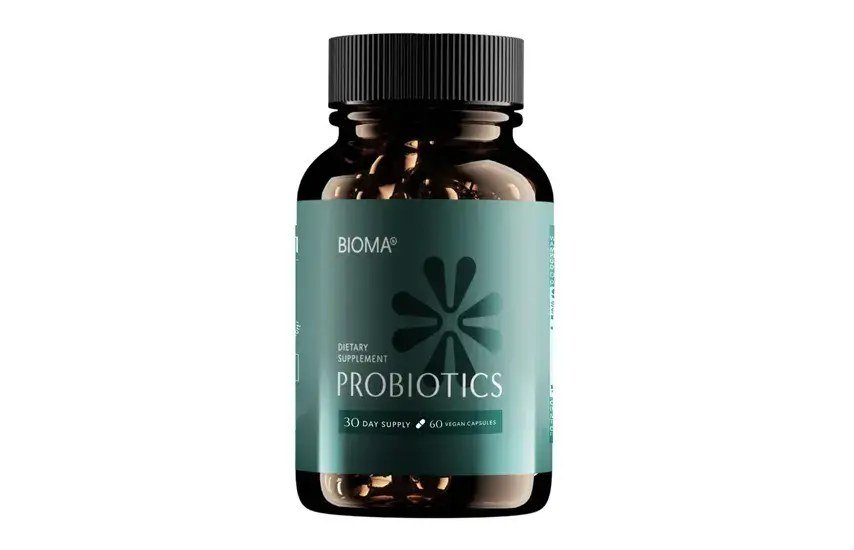 |
| Name | Bioma Probiotics |
| Key Specs |
|
| Best For | Adults curious about a daily probiotic who are comfortable buying direct and committing to 60–90 days. |
| Availability | Not sold on Amazon — details below. |
What Bioma Actually Is
Strip away the marketing and Bioma is simple: a probiotic capsule for gut health, taken once daily with water, preferably with a meal. The brand’s pitch centers on balancing the gut microbiome, improving digestion and nutrient absorption, and — the claim that does most of the selling — supporting healthier metabolism and natural weight management. Those are brand and affiliate claims, not clinically established facts. Hold that distinction; it matters more here than with most products I review.
The practical details: stimulant-free, so no caffeine-style jitters to worry about. The brand suggests giving it 60 to 90 days of consistent use, which is honest as timelines go — gut flora does not remodel overnight. Manufacturing is described as taking place in FDA-registered, GMP-certified facilities. Note the careful wording: “FDA-registered” is not “FDA-approved.” Supplement facilities register with the FDA; the products themselves are not approved as drugs. It is a quality signal, not a efficacy one.
Then the distribution: official website only. No Amazon listing, no drugstore shelf, no independent review platform presence. That single fact shapes everything else in this review.
What Buyers Like — With a Caveat Attached
The positive reports cluster around the obvious: reduced bloating and improved digestion. People describe feeling lighter, more regular, less uncomfortable after meals. The once-daily capsule is an easy habit — no powders, no refrigeration rituals, no taste to endure. And being stimulant-free and non-habit-forming removes the two worries that keep cautious buyers away from “metabolism” products.
Here is the caveat, and it is a big one: most of this praise lives inside an affiliate-driven review ecosystem. When the same glowing phrasing shows up across dozens of “independent” reviews that all link to the same checkout page, treat the testimonials as marketing-adjacent. Some of those experiences are probably real. You just cannot tell which ones, and that uncertainty is the brand’s choice — it built this machine.
What Buyers Complain About
The complaints are instructive. First: slow or no weight loss. A meaningful share of buyers came for the metabolism promises and left disappointed — results vary widely, which is exactly what you would expect from a product whose weight claims have no clinical foundation. If you buy Bioma expecting the scale to move, you are buying the marketing, not the capsule.
Second: the adjustment period. Bloating and gas in the first week or two are common with probiotics generally — your gut flora is literally reorganizing — but buyers who were not warned found it alarming. It usually passes. It still deserves a warning the marketing does not emphasize.
Third: official-site-only sales. No Amazon means no Amazon buyer protections — no A-to-z Guarantee, no familiar return flow, no verified-purchase review corpus to consult. You are trusting the brand’s own 60-day money-back promise, enforced by the brand itself. Some buyers are fine with that. You should decide before you pay, not after.
Red Flags: The Hype Problem in the Title
This is the core of the review, so read carefully.
The affiliate review-farm ecosystem is the story. Search for Bioma reviews and you will drown in them: identical video scripts, the same talking points in the same order, redirect links funneling to the same checkout. These are not reviews; they are a distributed sales force. Any “review” that exists primarily to route you to a buy button should be read as an ad — because it is one.
“Not sold on Amazon” warnings are themselves funnels. You will find review pages breathlessly warning that Bioma is not on Amazon — as if protecting you — while their real job is steering you to the official site through their affiliate link. The warning is real (it is not on Amazon) and the motive is commercial. Both things are true at once.
Weight-loss claims are not clinically established. I will say it plainly because the marketing will not: there is no clinical basis presented for Bioma as a weight-management product. “Supports healthier metabolism and natural weight management” is a brand claim. Do not let affiliate content upgrade it to a fact in your head.
Do not confuse it with the other BIOMA. A separate product — “BIOMA Feminine Health Synbiotic” — is sold on Amazon under a similar name. It is a different product from a different context. If you go looking for Bioma on Amazon and find that instead, you have found the wrong thing.
Talk to a doctor first. Probiotics are generally low-risk, but “generally” is not “universally” — gut conditions, immune issues, and medication interactions are real considerations. A healthcare professional who knows your history is the right gatekeeper, not a sales page.
Is Bioma sold on Amazon?
No. Bioma is sold only through its official website. That means no Amazon buyer protections, no verified-purchase reviews, and no A-to-z Guarantee — you are relying on the brand’s own advertised 60-day money-back guarantee. Be careful not to confuse it with the separately sold BIOMA Feminine Health Synbiotic, which is a different product that does appear on Amazon.
Does Bioma work for weight loss?
The brand and its affiliates claim it supports metabolism and natural weight management, but those claims are not clinically established. Buyer experiences vary widely, and a meaningful share of users report slow or no weight loss. Treat Bioma as a gut-health probiotic, not a weight-loss product.
What are the side effects of Bioma?
The most commonly reported issue is a temporary adjustment period — bloating or gas during the first week or two as gut flora shifts — which usually passes. Probiotics are generally low-risk, but anyone with a gut condition, immune concerns, or on medication should consult a healthcare professional before starting.
How is Bioma different from the BIOMA synbiotic on Amazon?
They are different products that happen to share a similar name. Bioma (this review) is a gut-health probiotic sold only on its official website. The BIOMA Feminine Health Synbiotic on Amazon is a separate product with a different formulation and purpose. Double-check which one you are buying before you pay.
The Verdict
Here is my committed take: Bioma might be a perfectly fine basic probiotic. The concept is sound, the dosing is simple, and the guarantee softens the financial risk. But the marketing machine around it makes an honest evaluation nearly impossible — when every “review” is a sales funnel, no claim survives contact with skepticism, including the positive ones.
So the decision is really about the buying context, not the capsule. If you want a daily probiotic, are comfortable buying direct with only the brand’s word backing the guarantee, expect nothing on weight, and — say it with me — talk to your doctor first, then Bioma is a defensible choice. If any of that gives you pause, buy a probiotic with transparent labeling from a retailer whose return policy you already trust. The gut-health aisle is full of them, and none of them will make you wonder who paid for the review you just read.
