

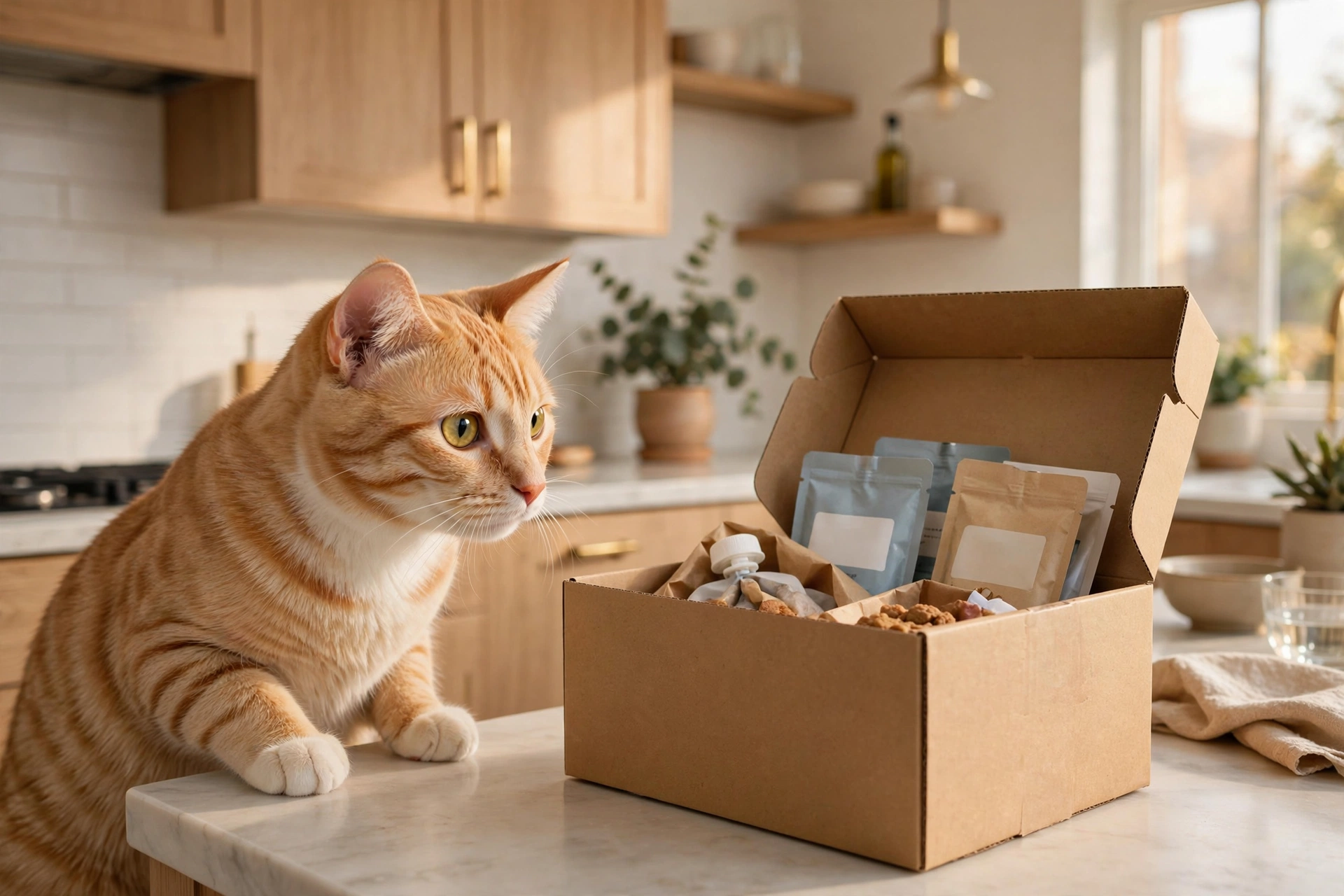
Short answer: No. The Farmer’s Dog does not make cat food. The company sells only fresh, human-grade dog food through a subscription service — and that has not changed in 2026. If you landed here hoping to buy The Farmer’s Dog for your cat, here is what the brand actually offers, why dog food is a poor fit for cats, and what to look for in a cat food instead.
This is a research-based overview, not a hands-on test. The findings below are drawn from the brand’s public product lineup and widely published veterinary nutrition guidance.
What Is The Farmer’s Dog?
The Farmer’s Dog is a U.S.-based pet food company built around one idea: fresh, human-grade dog food, formulated by veterinary nutritionists and delivered frozen on a subscription schedule. Meals are cooked in USDA-inspected kitchens, portioned to a dog’s age, weight, activity level, and health needs, and shipped in packs the owner thaws and serves.
The lineup consists of dog recipes built around proteins such as turkey, beef, chicken, and pork, combined with vegetables and added vitamins and minerals. Every recipe is formulated to meet AAFCO nutrient profiles for dogs — and that last detail matters, because it is exactly why the food is not interchangeable with cat food.
The Brand’s Dog Food, Up Close
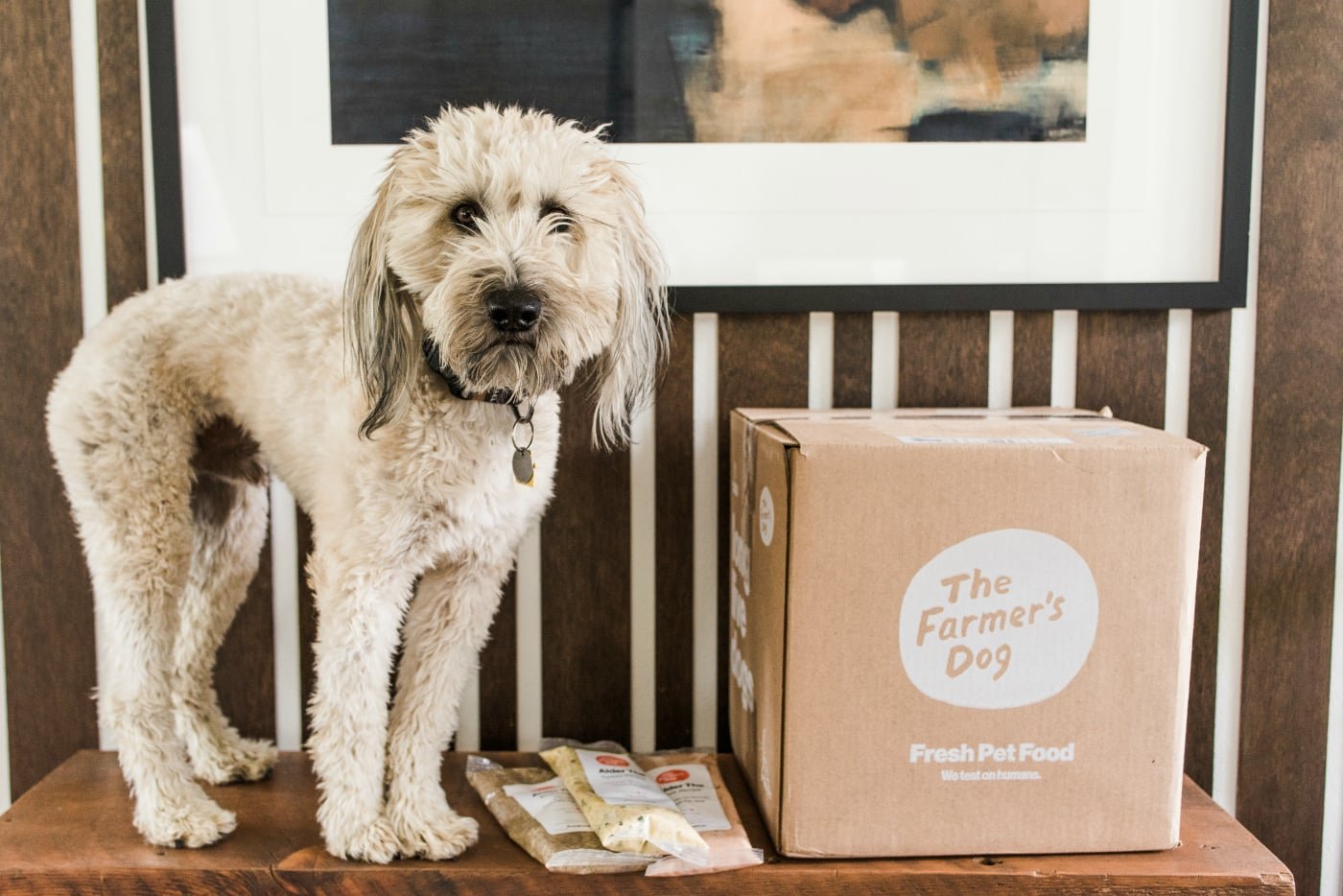
Browse the company’s site and you will find dog food, dog treats, and feeding plans for puppies through senior dogs. You will not find a cat food line, a “for cats” recipe, or a feline feeding plan. Independent roundups and reviews of the brand describe it the same way: a dog-food-only company. The packaging shown above — the brand’s recognizable dog-food packs — is the closest thing to “The Farmer’s Dog for cats” that exists, which is to say, it is not for cats at all.
Why Dog Food Is Wrong for Cats
Cats are obligate carnivores, and their nutritional requirements differ from dogs’ in ways that genuinely matter. Feeding a cat dog food — even a high-quality fresh one — on a regular basis can leave gaps that affect long-term health. The key differences:
- Taurine. Cats cannot synthesize enough taurine on their own and must get it from their diet. Dog food is not required to carry the same taurine levels, and taurine deficiency in cats is linked to serious heart and eye problems.
- Arachidonic acid. This essential fatty acid must come from animal tissue in a cat’s diet; dogs can make it from plant-based precursors. Dog food is not formulated with a cat’s arachidonic acid needs in mind.
- Preformed vitamin A. Cats cannot convert beta-carotene from plants into vitamin A the way dogs can. They need preformed vitamin A (retinol) from animal sources, at levels dog food is not designed to provide.
- Protein and other nutrients. Cats need more protein than dogs as a share of diet, plus adequate niacin, vitamin B12, and other nutrients at feline-specific levels. A food balanced for dogs simply is not balanced for cats.
An occasional stolen bite of dog food is unlikely to harm a healthy cat, but dog food should never be a cat’s regular diet. If your cat routinely raids the dog’s bowl (or vice versa), feed them separately and talk to your veterinarian.
What Cat Owners Should Look for Instead
If the appeal of The Farmer’s Dog is fresh, gently cooked food made with recognizable ingredients, the good news is that the fresh pet food category now includes options formulated specifically for cats. When evaluating any fresh cat food, look for the markers of a serious feline diet:
- Formulated for cats, not dogs. The label should state the food is complete and balanced for cats (all life stages, or adult maintenance) per AAFCO profiles.
- Named animal proteins first. Look for named meats such as chicken, turkey, or fish rather than vague “meat” ingredients, reflecting a cat’s need for animal-based protein.
- Adequate taurine. Any complete cat food will include it; the point is to buy food actually designed for cats so it is there in the right amount.
- Veterinary nutritionist involvement. Recipes developed or reviewed by credentialed veterinary nutritionists are a meaningful quality signal.
- Transparent validation. Reputable brands explain how they confirm nutritional adequacy, whether through feeding trials or formulation to AAFCO profiles.
This article does not endorse any specific brand. The fresh cat food segment is still young compared with fresh dog food, so compare labels, feeding guidelines, and company transparency — and when in doubt, ask your veterinarian what fits your cat’s age, weight, and health status.
Frequently Asked Questions
Does The Farmer’s Dog make cat food?
No. The Farmer’s Dog sells only fresh dog food through its subscription service. The company has no cat food line, no “for cats” recipes, and no feline feeding plans — a fact confirmed across multiple independent reviews of the brand.
Can cats eat The Farmer’s Dog dog food?
An occasional bite is unlikely to harm a healthy cat, but The Farmer’s Dog should not be a cat’s regular diet. It is balanced for dogs, not for feline needs such as taurine, arachidonic acid, preformed vitamin A, and higher protein levels. Feed cats food formulated specifically for cats.
What should I feed my cat instead?
Look for foods labeled complete and balanced for cats under AAFCO profiles, with named animal proteins and recipes developed with veterinary nutritionists. The fresh cat food category is growing, so compare labels and transparency — and ask your veterinarian for guidance tailored to your cat.
The Bottom Line
To say it once more, clearly: The Farmer’s Dog does not make cat food. It is a dog-food-only brand, and its meals are balanced for dogs — not for the very different nutritional needs of cats. If you want fresh-style food for your cat, shop the growing selection of fresh foods formulated specifically for felines, check for AAFCO “complete and balanced” nutrition for cats, and keep the dog food in the dog’s bowl.
