




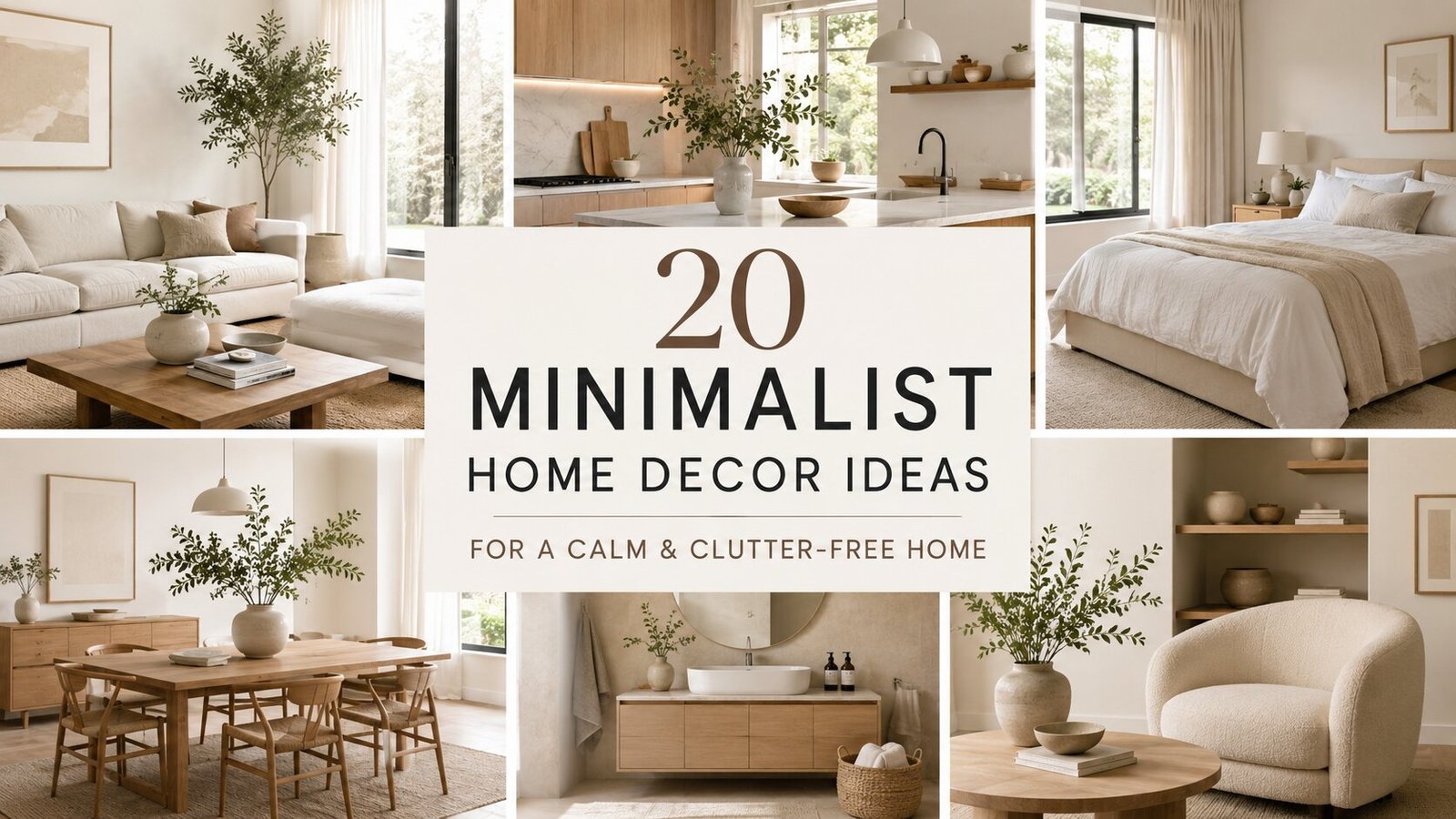
Minimalist home decor continues to be one of the most popular interior design trends because it creates spaces that feel calm, organized, functional, and visually beautiful. In a world filled with constant noise, clutter, and distractions, many homeowners are looking for simple ways to make their homes feel more peaceful and intentional.
These minimalist home decor ideas for 2026 focus on clean lines, thoughtful furniture choices, neutral color palettes, natural materials, smart storage solutions, and clutter-free styling. Minimalism is not about making your home feel empty or cold. Instead, it is about creating a space where every item serves a purpose while contributing to a relaxing and harmonious environment.
Whether you live in a small apartment, a modern home, a cozy cottage, or a large family house, these ideas can help you create a home that feels more spacious, elegant, and stress-free. From minimalist living rooms and bedrooms to kitchen styling and entryway organization, these decor ideas will inspire a more intentional way of living.
1: Neutral Color Palette with Warm Natural Tones
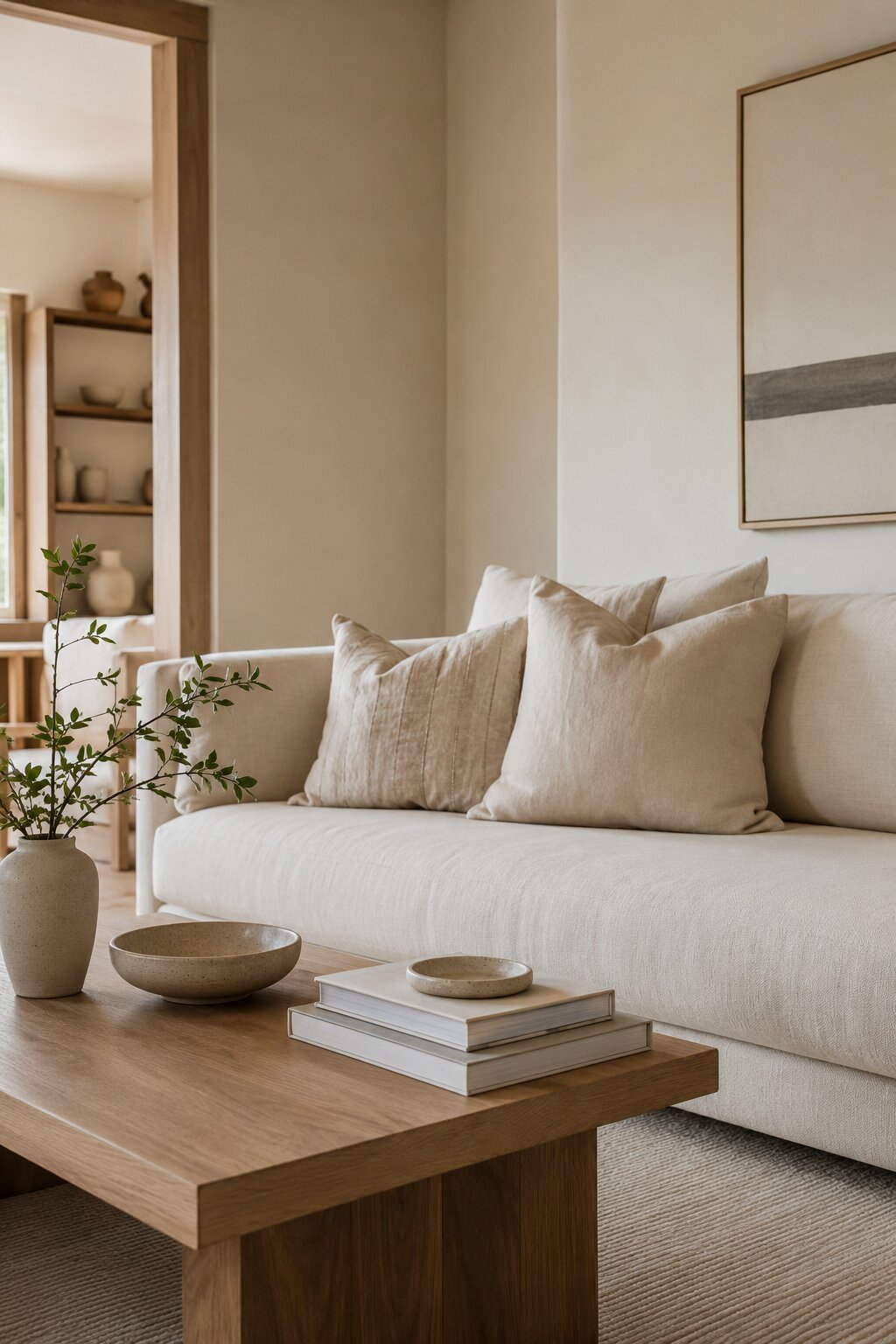
One of the easiest ways to create a minimalist home is by using a neutral color palette. Soft whites, warm beige tones, gentle taupe shades, creamy ivories, and muted earth colors instantly make a room feel calmer and more spacious. These colors reflect natural light beautifully and create a timeless foundation that works with almost any decorating style.
Instead of using bright accent colors throughout the room, focus on layering different neutral tones to create depth and interest. A cream sofa paired with a light oak coffee table, beige curtains, and textured linen cushions creates a sophisticated look without overwhelming the space. Natural materials such as wood, stone, cotton, and linen further enhance the warmth of the design.
Warm neutrals also provide flexibility. As trends change, you can easily update accessories without needing to redesign the entire room. This makes minimalist decorating both practical and cost-effective in the long term.
2: Decluttered Open Shelving with Purposeful Styling
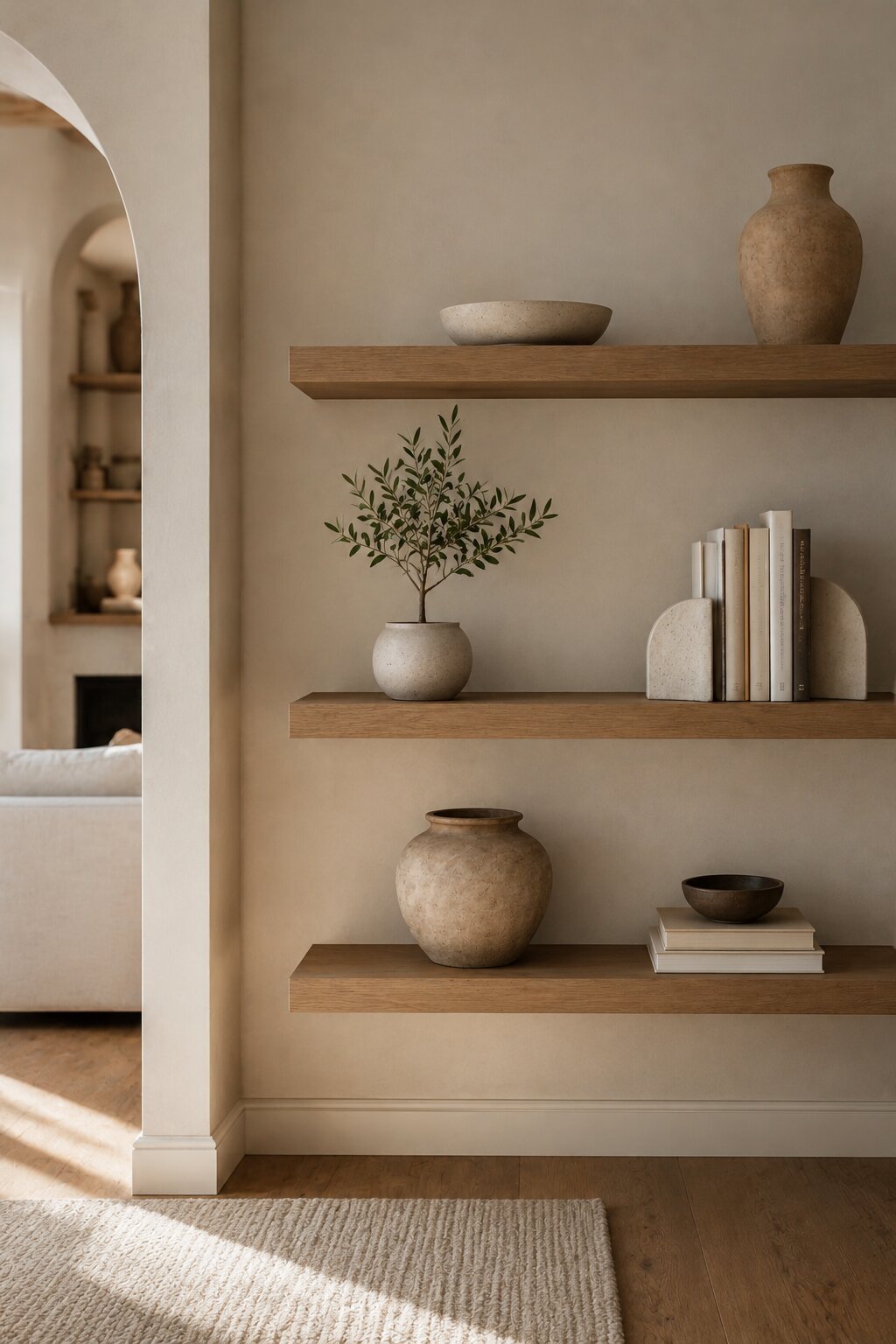
Minimalist homes often feature open shelving, but the key difference is intentional styling. Instead of filling shelves with random decorations, minimalist shelving showcases only a few carefully selected pieces. Every item should contribute to the overall aesthetic while maintaining visual balance.
A beautifully styled shelf might include a stack of neutral-colored books, a ceramic vase, a small plant, and one meaningful decorative object. Negative space is equally important because it allows each piece to stand out. Overcrowding shelves can quickly make a room feel chaotic, even when the decor itself is attractive.
Open shelving also encourages mindful purchasing. When shelf space is limited, homeowners become more selective about what they bring into their homes. This naturally supports a minimalist lifestyle while creating cleaner and more elegant interiors.
3: Low-Profile Furniture for an Open and Airy Feel
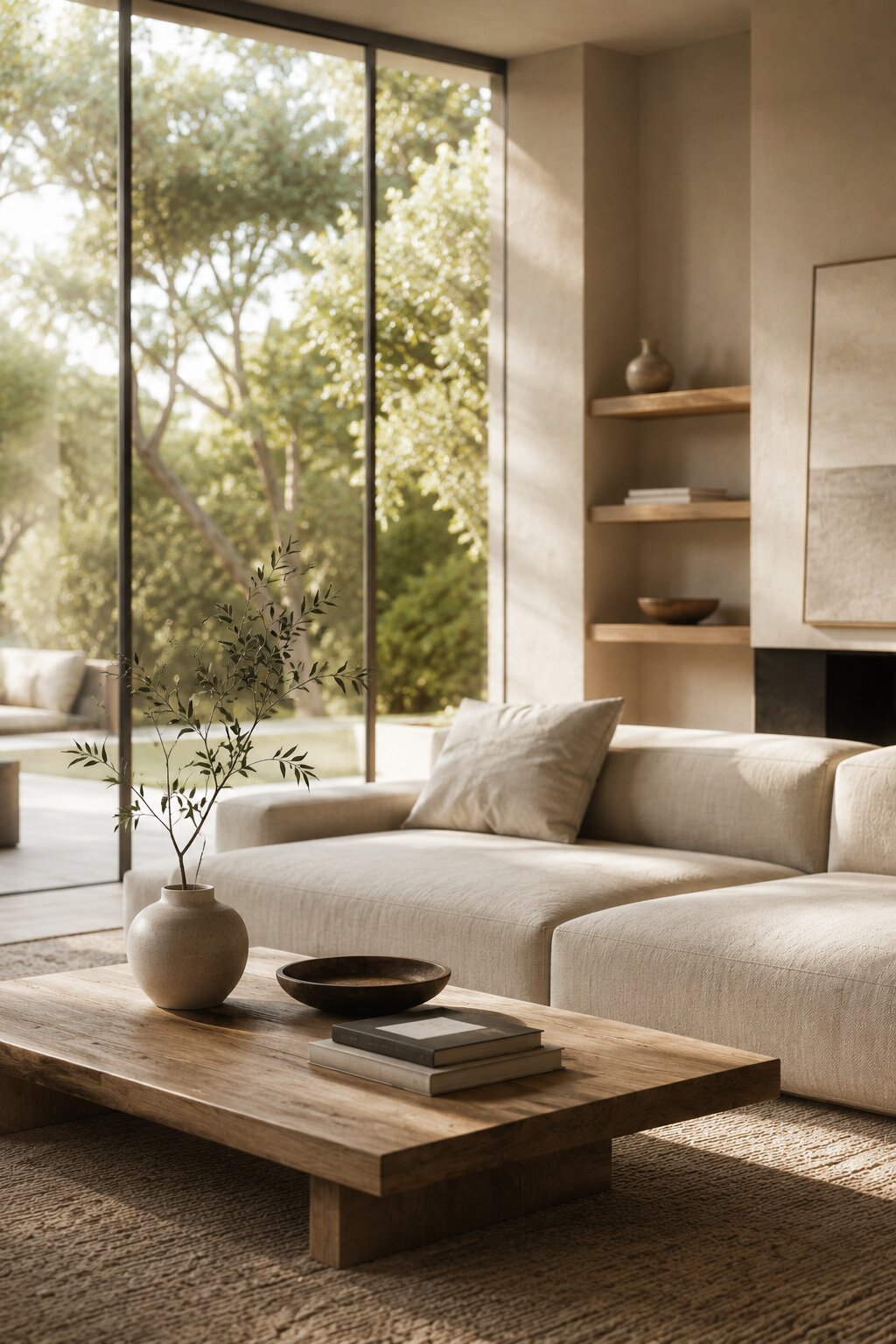
Low-profile furniture has become increasingly popular in modern minimalist homes because it creates a sense of openness and visual calm. Furniture with lower heights allows more wall space and natural light to remain visible, making rooms feel larger and less crowded.
A low sofa, platform bed, or streamlined coffee table naturally draws attention to the overall space rather than individual furniture pieces. This design approach creates a clean horizontal flow that feels modern and sophisticated.
Choose furniture with simple silhouettes and avoid overly decorative details. Clean lines help maintain visual consistency while making the room feel more intentional. Quality materials such as oak, walnut, linen, and leather add warmth without introducing unnecessary complexity.
4: Hidden Storage Solutions That Eliminate Visual Clutter
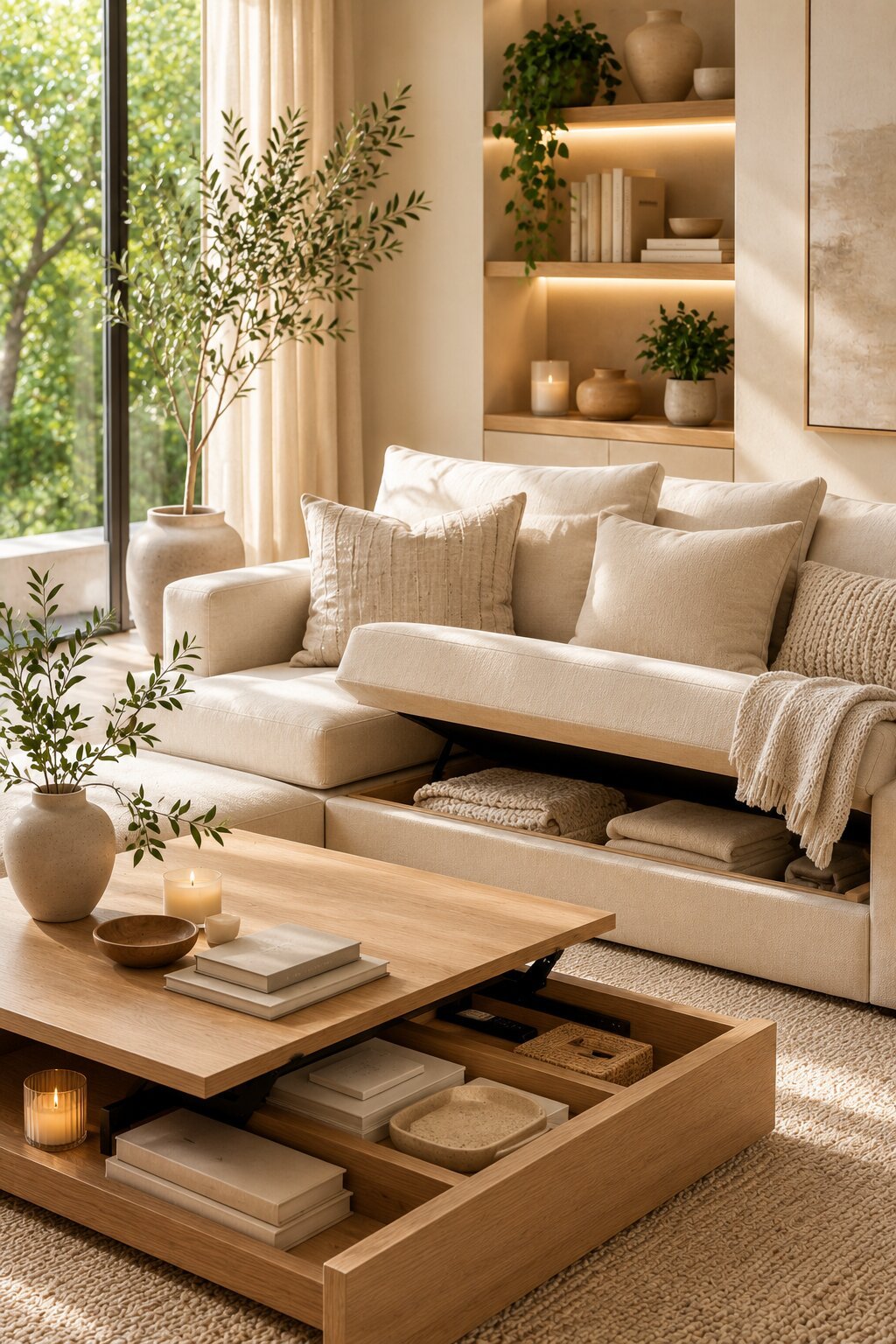
One of the biggest challenges in maintaining a minimalist home is controlling everyday clutter. Hidden storage solutions make it possible to keep essential items accessible while preserving a clean visual appearance.
Storage benches, ottomans, built-in cabinets, under-bed drawers, and concealed shelving systems help organize belongings without adding visual distractions. When storage is integrated seamlessly into the design, rooms feel calmer and more functional.
A minimalist home should support real-life living rather than simply looking attractive in photographs. Smart storage allows families to enjoy practical spaces while maintaining the clean aesthetic associated with minimalist interiors.
5: Natural Wood Elements for Warm Minimalism
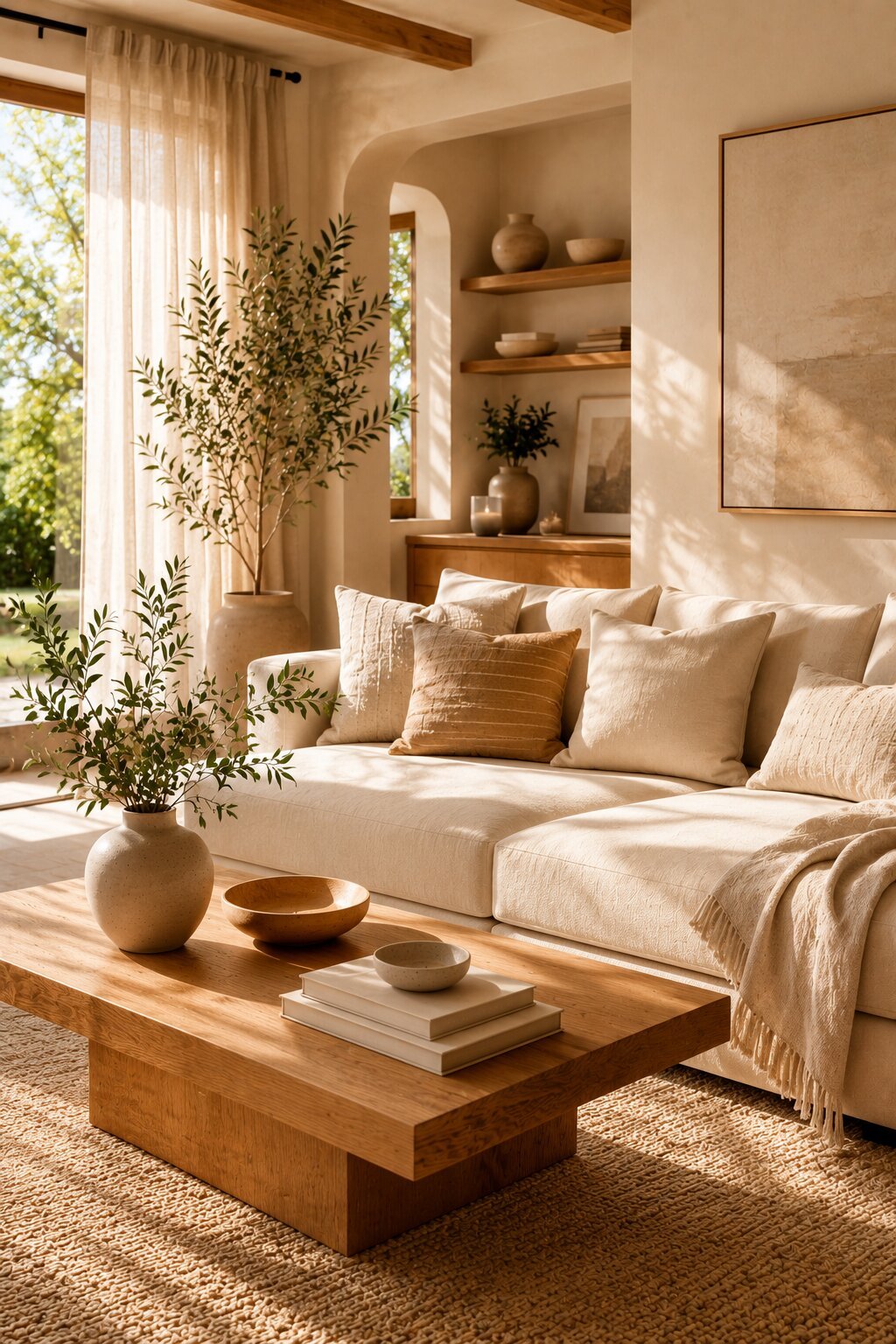
Many people mistakenly think minimalist interiors must feel cold and sterile. Natural wood is one of the best ways to introduce warmth while maintaining simplicity. Light oak, ash wood, walnut, and maple add organic texture that balances clean modern lines.
Wood furniture, ceiling beams, shelving, dining tables, and decorative accents create visual depth without cluttering a space. The natural grain patterns provide subtle detail that makes rooms feel inviting and lived-in. Combining wood with neutral colors and natural textiles creates a warm minimalist aesthetic that feels timeless rather than trendy. This approach has become especially popular in Scandinavian and Japandi-inspired interiors.
6: Indoor Plants as Living Minimalist Decor
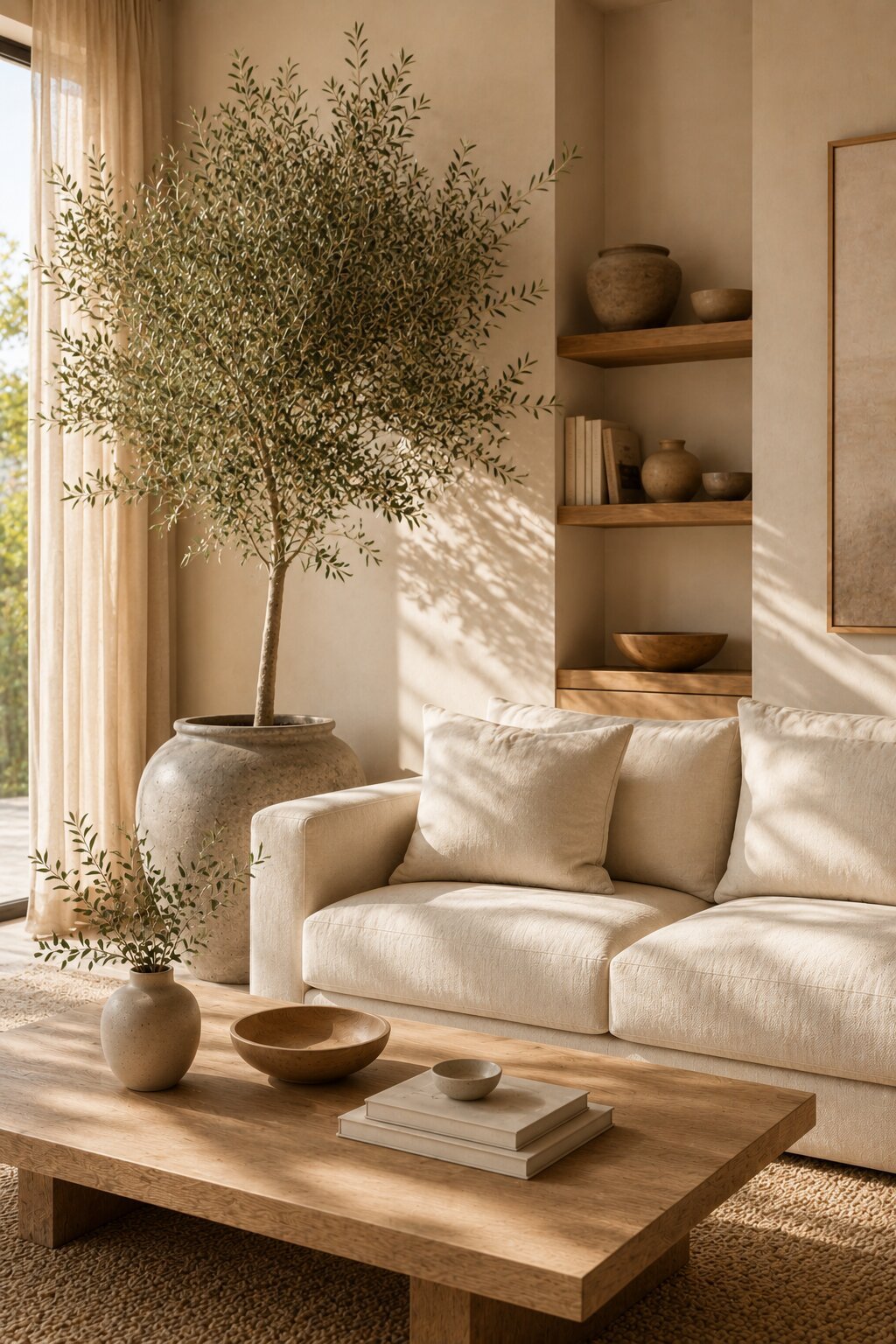
Indoor plants are one of the few decorative elements that perfectly complement minimalist design while adding life, texture, and natural beauty. Rather than filling a room with numerous decorative accessories, a single well-placed plant can become a striking focal point that enhances the entire space.
Minimalist interiors often benefit from plants with sculptural forms and clean silhouettes. Olive trees, fiddle leaf figs, rubber plants, snake plants, and bird of paradise plants are particularly popular because they add height and visual interest without creating clutter. Large plants often have a greater impact than several smaller plants scattered throughout a room.
The key is restraint. Instead of turning every corner into a mini jungle, focus on strategic placement. A tall olive tree beside a sofa, a snake plant in an entryway, or a single potted rubber tree in a bedroom can create a calming connection to nature while preserving the simplicity of the room. Natural clay pots, textured ceramic planters, and neutral woven baskets help maintain a cohesive minimalist aesthetic. The greenery introduces subtle color without disrupting the soft neutral palette commonly found in minimalist homes.
7: Layered Linen Textures for Soft Minimalism
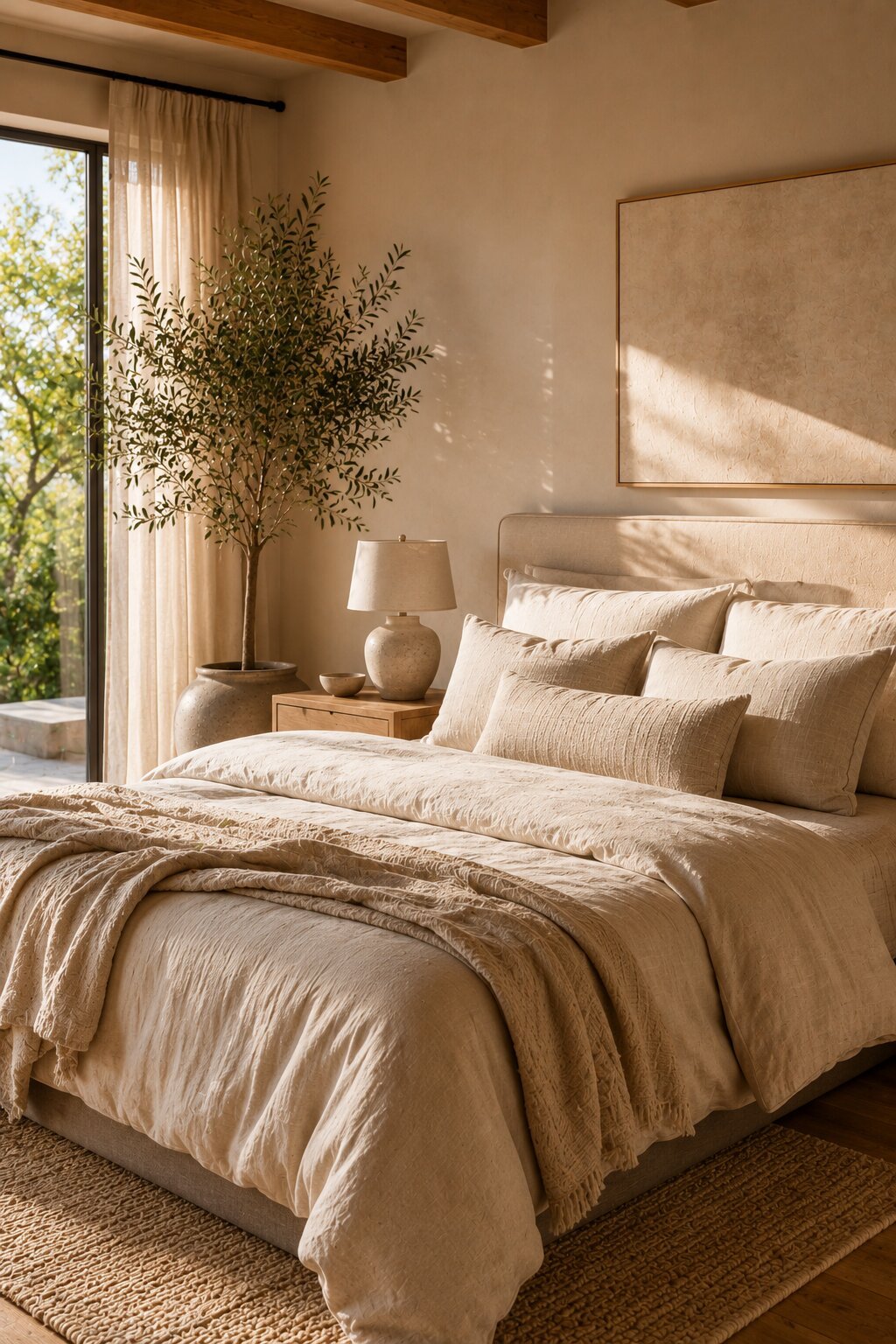
Texture plays a major role in successful minimalist design. Without texture, a neutral room can feel flat or unfinished. Linen is one of the most effective materials for adding depth while maintaining simplicity. Layering linen through curtains, bedding, throw pillows, table runners, and upholstery creates a soft and welcoming environment. The slightly imperfect texture of linen adds character and warmth without introducing visual chaos. Unlike highly polished fabrics, linen feels relaxed and natural.
A minimalist bedroom styled with crisp linen sheets, a textured duvet cover, and soft neutral pillows instantly feels luxurious. In living spaces, linen curtains gently diffuse natural light, creating a peaceful atmosphere that supports the overall goal of calm living. Choosing high-quality natural fabrics also aligns with the minimalist philosophy of buying fewer but better pieces. Durable materials age beautifully and remain timeless regardless of changing trends.
8: Statement Lighting with Clean Architectural Lines
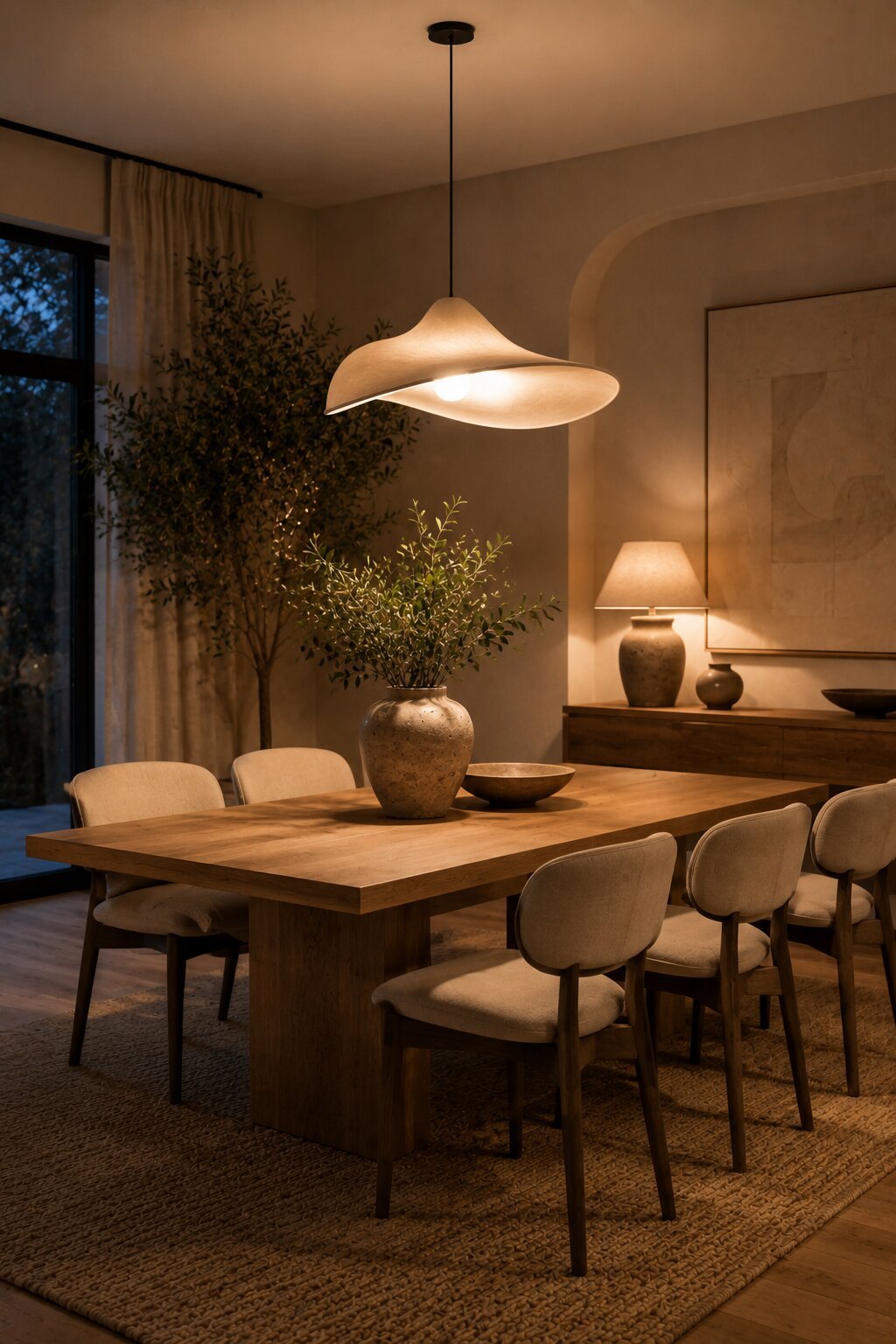
Minimalist homes often use fewer decorative objects, which makes lighting fixtures more important. A well-designed pendant light, floor lamp, or wall sconce can serve as both a functional element and a sculptural focal point. Rather than choosing ornate chandeliers or heavily decorated fixtures, minimalist interiors favor clean shapes, simple materials, and timeless forms. Black metal finishes, matte white surfaces, natural wood details, and warm brass accents are especially popular in 2026.
Lighting also contributes significantly to mood. Warm ambient lighting creates comfort and relaxation while highlighting architectural features and textures throughout the room. Thoughtful lighting design can make a minimalist space feel sophisticated rather than sparse. Large pendant lights above dining tables, curved floor lamps beside sofas, and sleek wall sconces in bedrooms help establish visual interest while remaining consistent with minimalist principles.
9: Minimalist Gallery Wall with Intentional Artwork
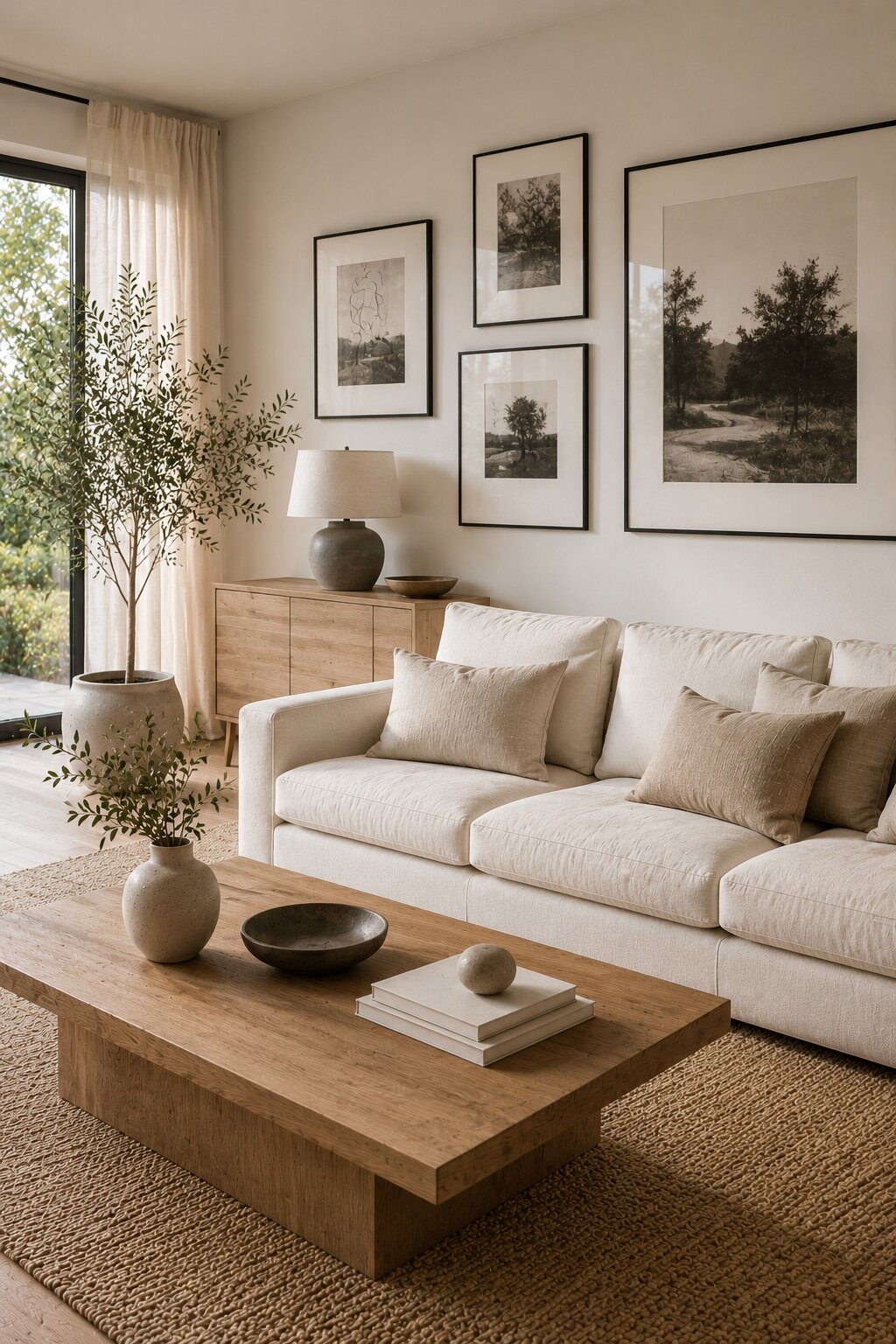
Artwork allows homeowners to express personality without introducing clutter. A minimalist gallery wall focuses on quality rather than quantity, using carefully selected pieces that complement the room’s color palette and overall design.
Instead of covering an entire wall with numerous frames, choose two to five meaningful pieces arranged thoughtfully. Abstract art, black-and-white photography, line drawings, and nature-inspired prints work particularly well in minimalist interiors.
Consistency is important. Similar frame styles, cohesive color schemes, and balanced spacing create harmony. Oversized artwork can also be highly effective because a single large piece often provides more impact than multiple smaller decorations. Art should feel intentional and personal rather than simply filling empty wall space. This approach keeps the room visually calm while adding character and sophistication.
10: Simple Entryway Styling for a Clutter-Free First Impression
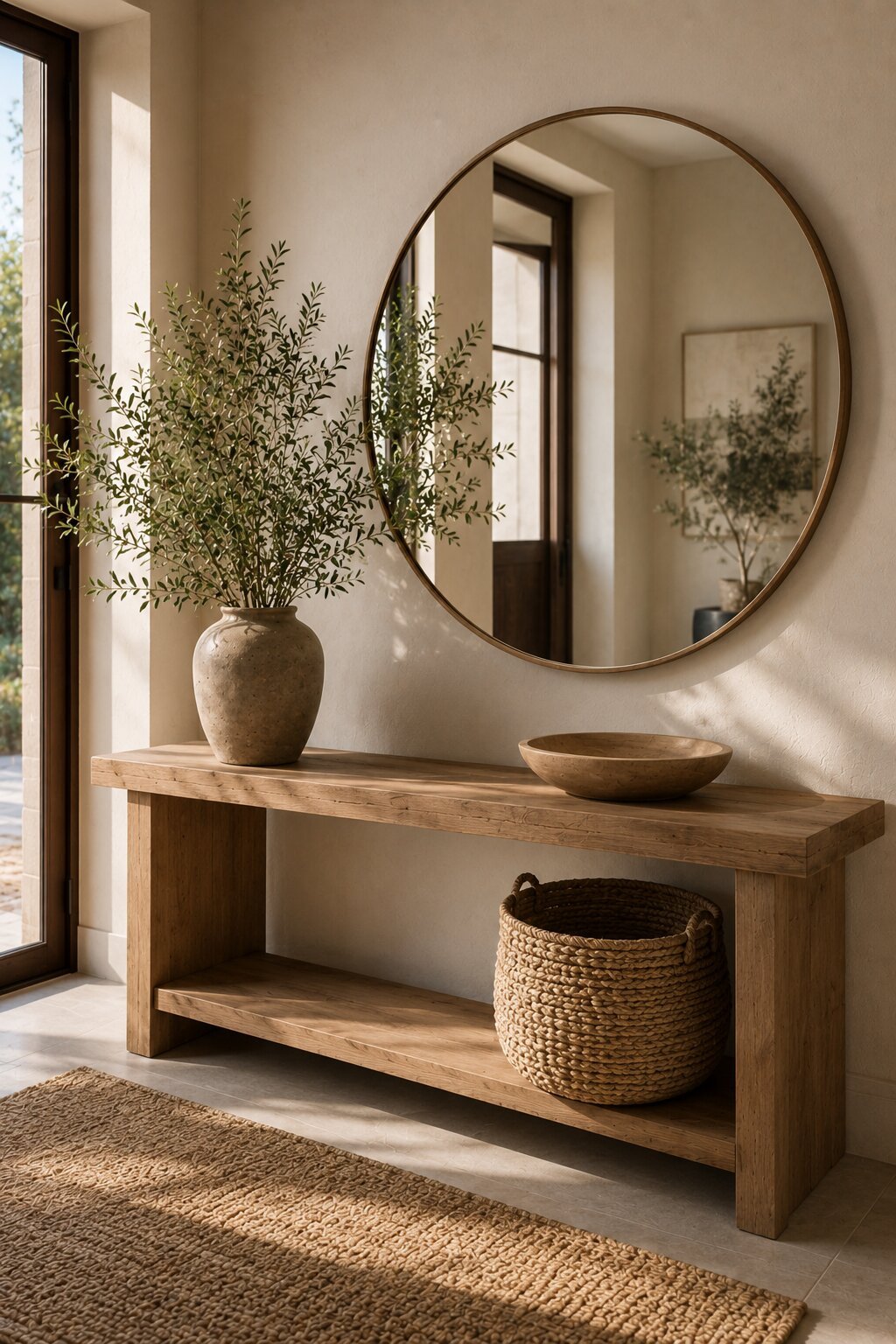
The entryway sets the tone for the entire home. A cluttered entrance can make even a beautifully designed house feel chaotic. Minimalist entryway design focuses on organization, functionality, and simplicity. A streamlined console table, a large mirror, a small tray for essentials, and concealed storage solutions help maintain order. Shoes, keys, bags, and everyday items should have designated storage locations to prevent visual clutter from accumulating.
Large mirrors are particularly useful because they reflect natural light and make smaller entryways appear more spacious. Natural materials such as wood, stone, and woven textures create warmth while maintaining a clean aesthetic. The goal is to create an inviting first impression that immediately communicates calmness and intentional living.
11: Japandi-Inspired Minimalist Decor
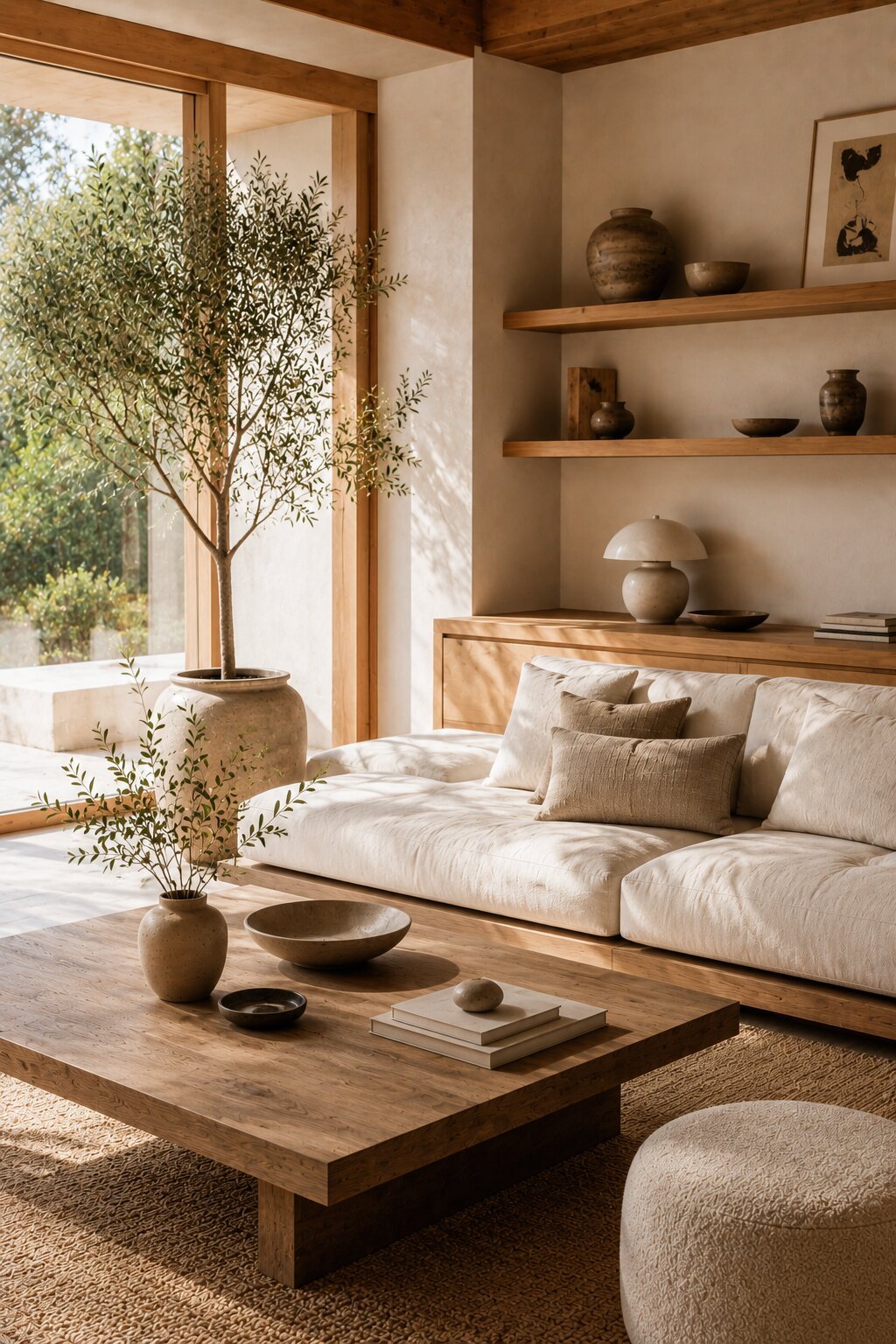
Japandi design continues to dominate interior trends because it perfectly combines Japanese minimalism with Scandinavian warmth. The result is a calm, balanced environment that feels sophisticated yet comfortable. This style emphasizes craftsmanship, natural materials, functionality, and simplicity. Low furniture, neutral colors, handcrafted ceramics, organic textures, and uncluttered spaces define the Japandi aesthetic.
Unlike some minimalist styles that can feel stark, Japandi interiors focus heavily on warmth and comfort. Every piece serves a purpose while contributing to the overall harmony of the room. Homeowners increasingly appreciate Japandi design because it supports mindful living while creating visually stunning interiors that photograph beautifully for Pinterest and social media.
12: Monochromatic Color Schemes for Visual Harmony
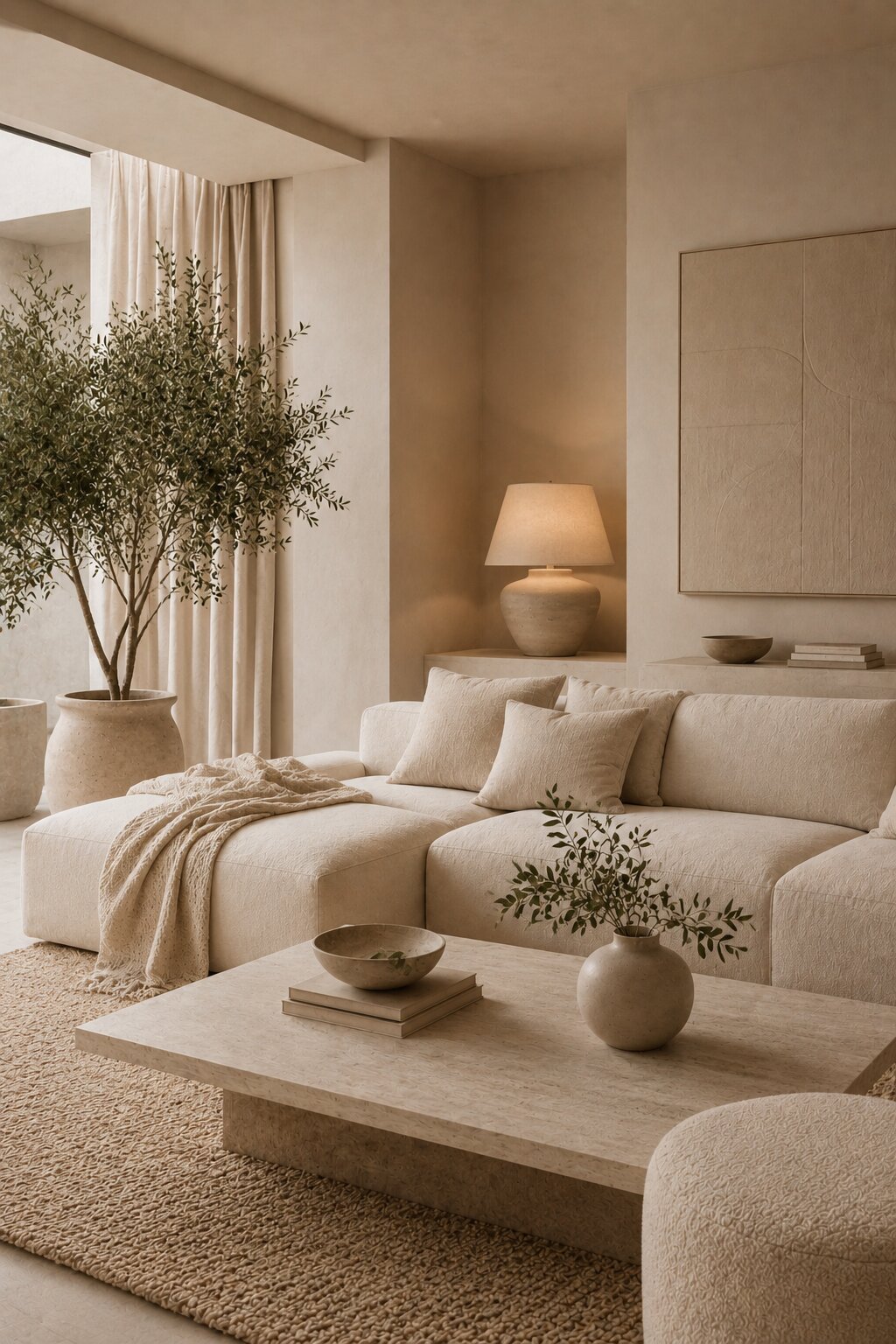
One of the most powerful minimalist decorating techniques is using a monochromatic color palette. Rather than introducing multiple competing colors, this approach layers various shades of the same color to create depth and sophistication. For example, a room might combine ivory walls, cream upholstery, beige textiles, taupe accessories, and warm oak furniture. Although the palette remains simple, the subtle variations create richness and visual interest.
Monochromatic interiors often appear larger, cleaner, and more cohesive. This makes them especially effective in smaller homes or apartments where visual continuity helps create a sense of openness. Texture becomes particularly important in monochromatic spaces because it provides contrast without relying on bold color changes.
13: Functional Decor That Serves a Purpose
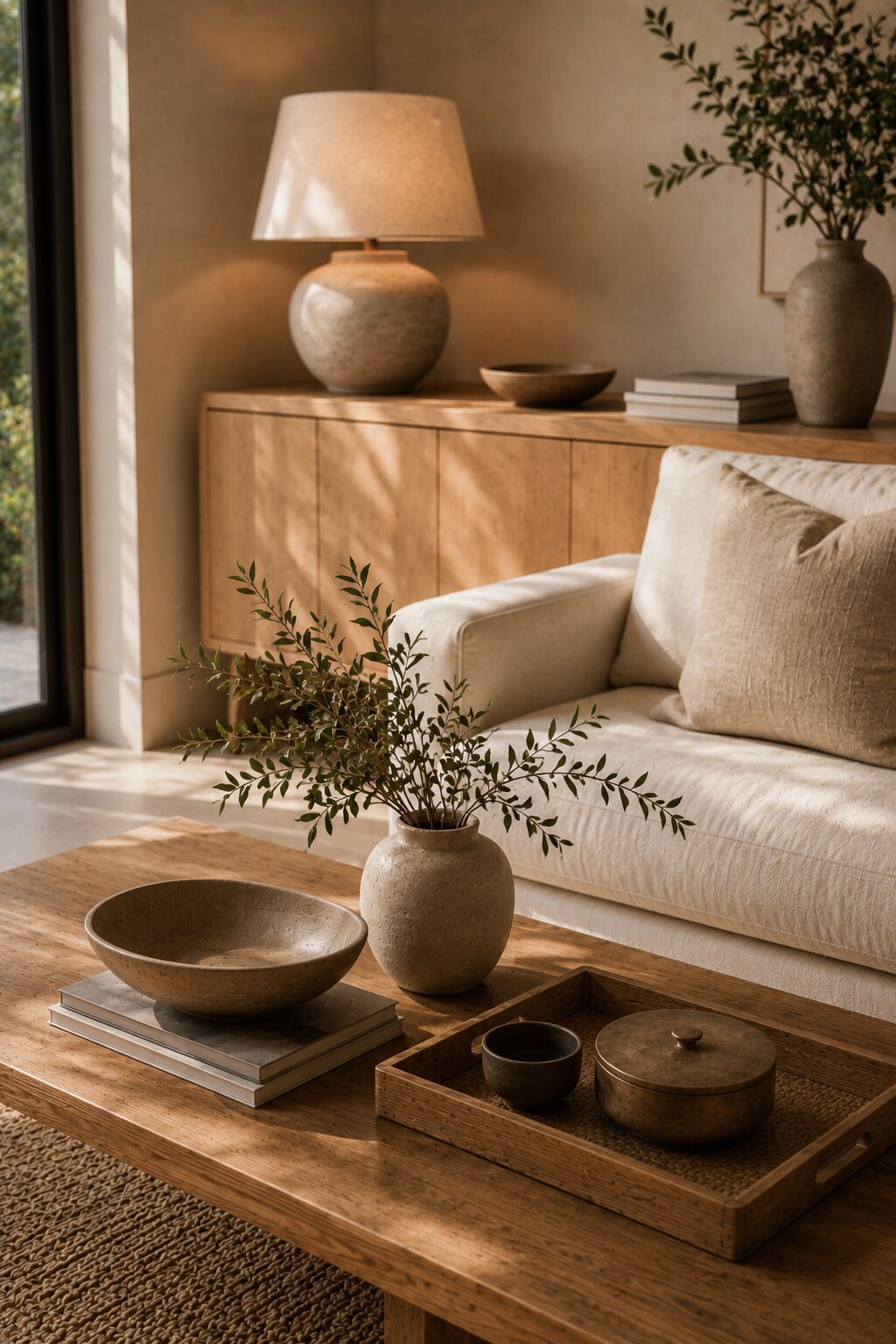
A core principle of minimalism is ensuring that decorative items are also functional whenever possible. This philosophy reduces clutter while maximizing value and usability.
Beautiful storage baskets, sculptural table lamps, elegant mirrors, handcrafted ceramic bowls, and stylish wooden trays can all contribute to the room’s appearance while serving practical functions. Instead of filling surfaces with purely decorative objects, choose pieces that enhance daily life.
This approach creates a home that is both visually appealing and highly functional. It also encourages more intentional purchasing decisions because every item must justify its presence. Functional decor often feels more authentic and sustainable because it aligns beauty with purpose.
14: Large Windows and Natural Light as the Main Design Feature
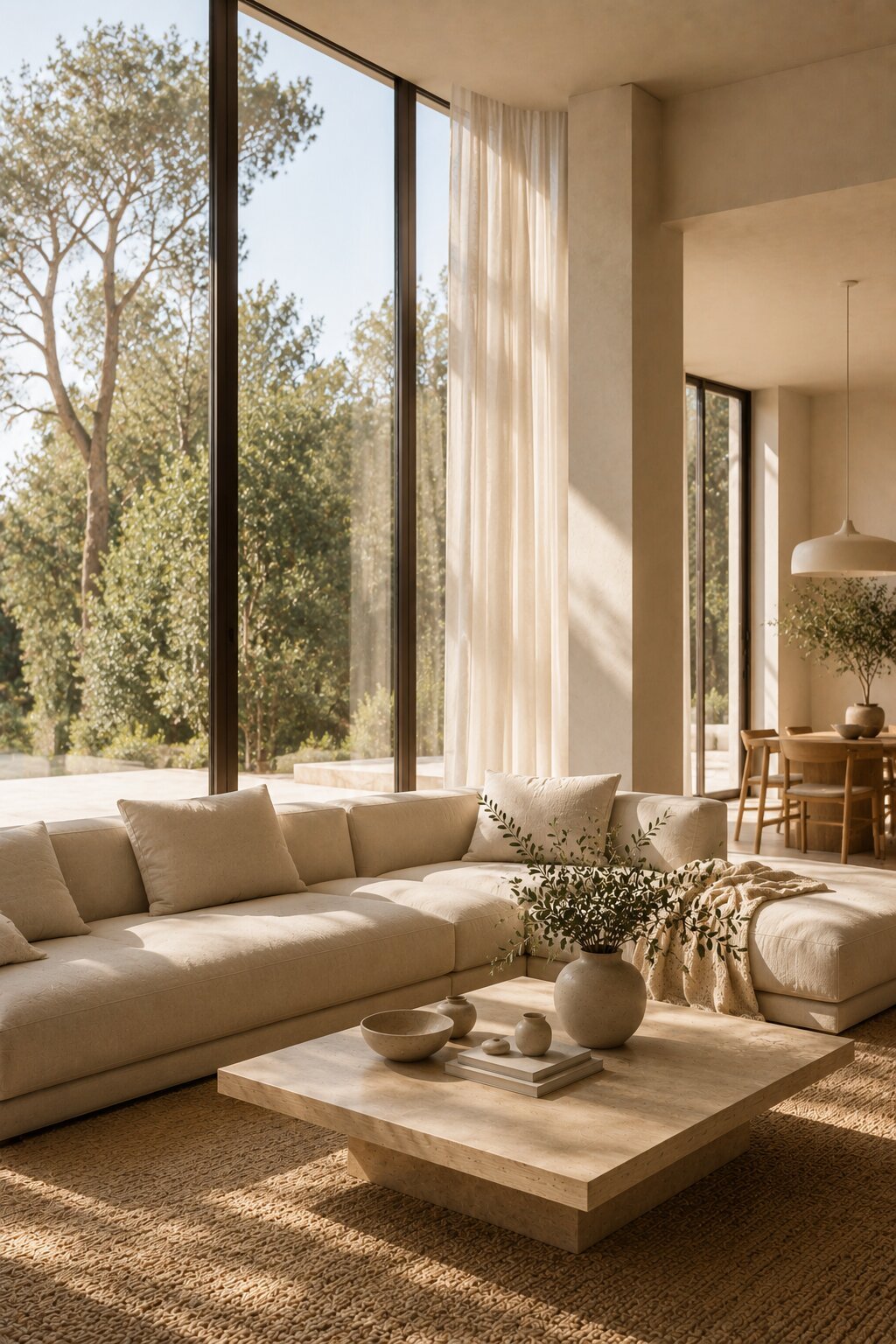
Minimalist design often treats natural light as a decorative element. Large windows, sheer curtains, and unobstructed views create brightness and openness that no accessory can replicate. Natural light highlights textures, enhances neutral color palettes, and makes rooms feel more inviting. Instead of relying on excessive decorations, minimalist interiors allow architecture and light to become focal points.
Keeping window treatments simple helps maximize daylight throughout the home. Sheer linen curtains provide privacy while still allowing soft sunlight to fill the room. The result is a peaceful environment that feels connected to nature and supports overall well-being.
15: Multifunctional Furniture for Small Minimalist Spaces
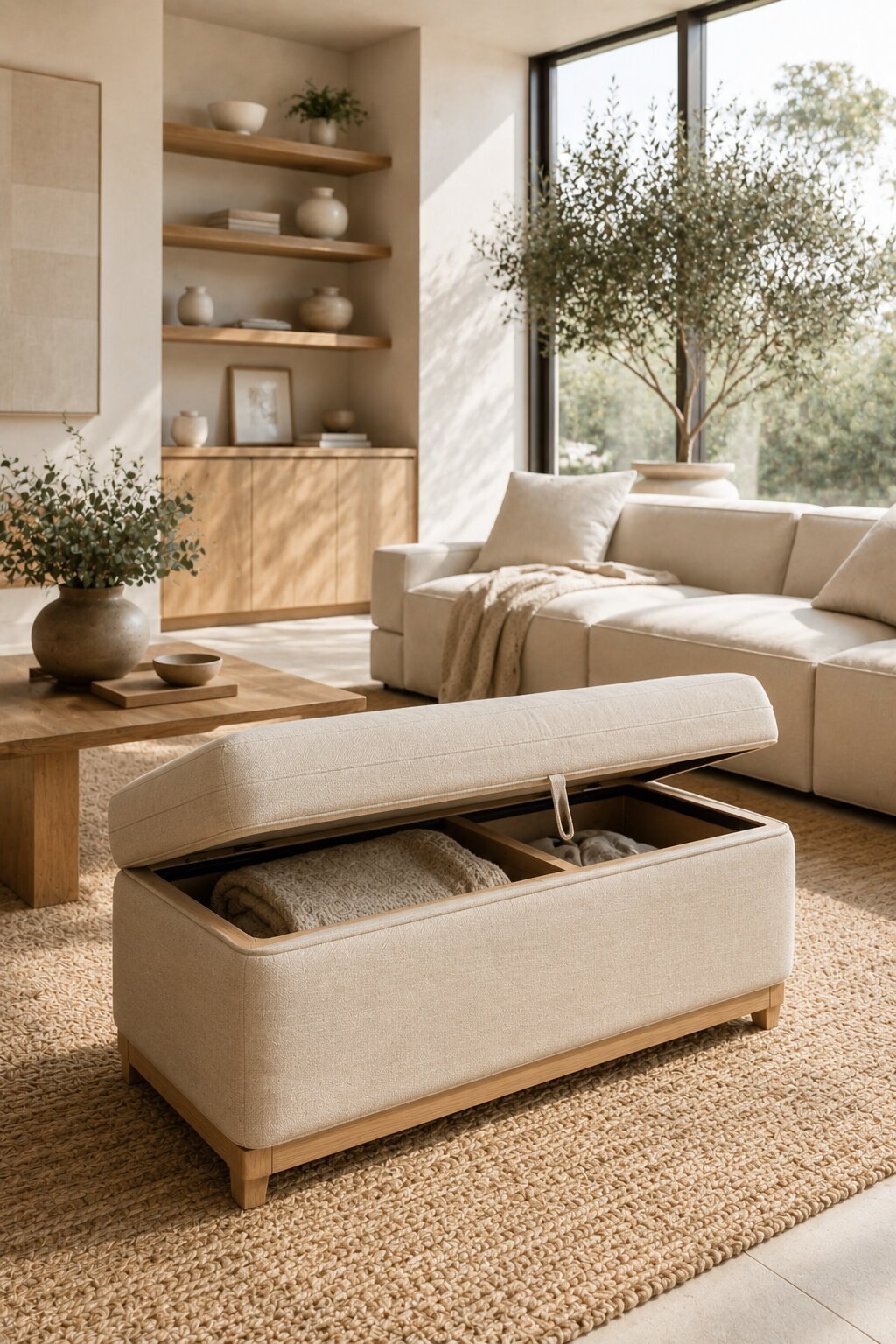
As homes become more compact and people seek simpler lifestyles, multifunctional furniture has become one of the smartest minimalist decorating solutions for 2026. Furniture that serves multiple purposes reduces clutter, saves space, and improves everyday functionality without sacrificing style.
A storage ottoman can provide seating, hidden storage, and even function as a coffee table. A platform bed with built-in drawers eliminates the need for bulky dressers. Extendable dining tables adapt easily to both everyday use and entertaining guests. These thoughtful furniture choices allow homeowners to maximize every square foot while maintaining a clean and uncluttered appearance.
Minimalist spaces benefit greatly from furniture that works harder rather than simply occupying space. This approach creates more flexibility and supports intentional living.
16: Curated Coffee Table Styling with Fewer Objects
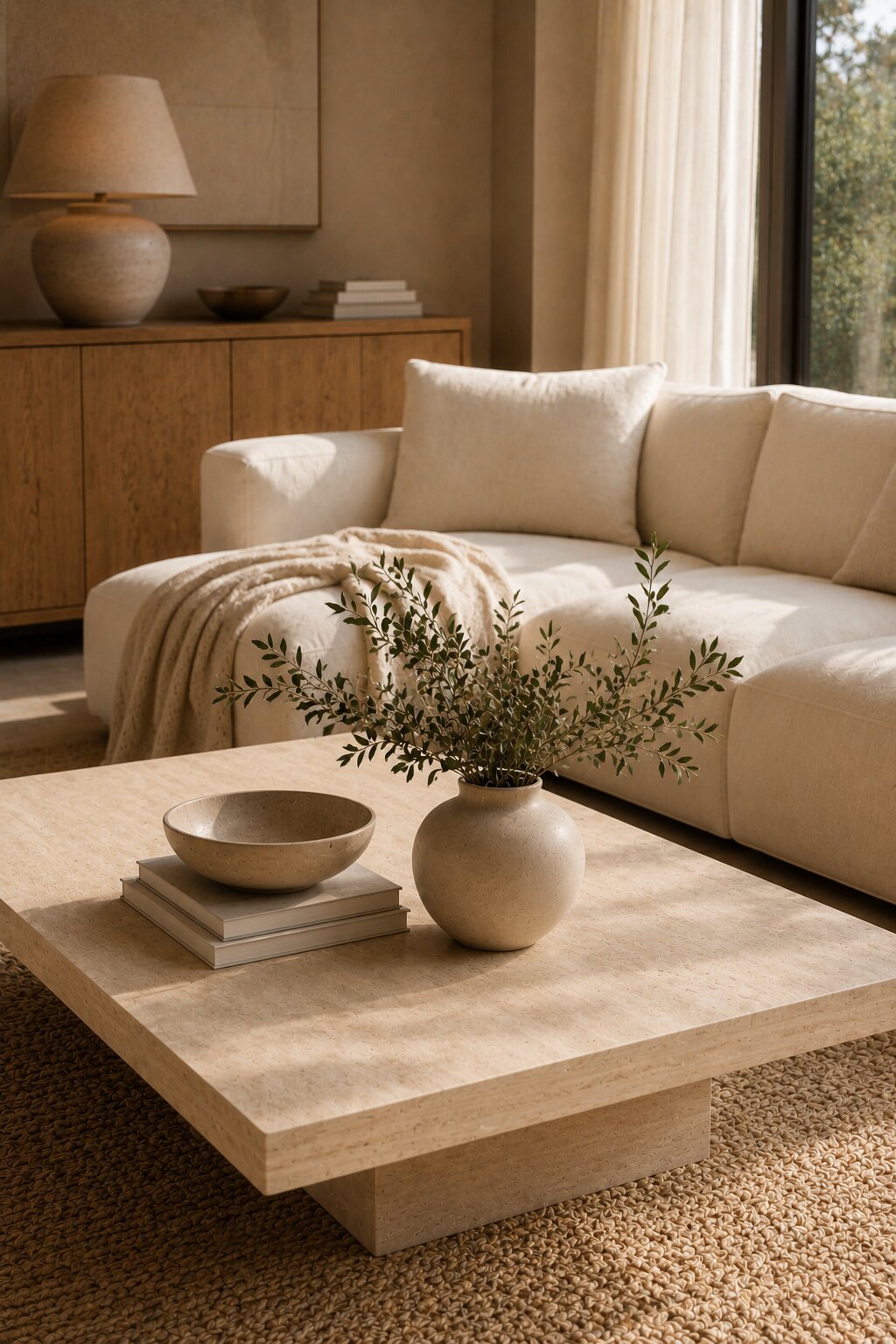
A coffee table often becomes a magnet for clutter, but minimalist design transforms it into an intentional focal point. Instead of displaying numerous decorative items, curate a simple arrangement that feels balanced and elegant.
A stack of beautiful books, a ceramic bowl, and a small vase with fresh greenery are often enough to create visual interest. The surrounding space is just as important as the objects themselves because it helps maintain a sense of openness. Minimalist styling emphasizes quality over quantity. A few carefully selected items create a more sophisticated appearance than overcrowded surfaces filled with random decorations.
17: Minimalist Bedroom Retreat with Hotel-Inspired Comfort
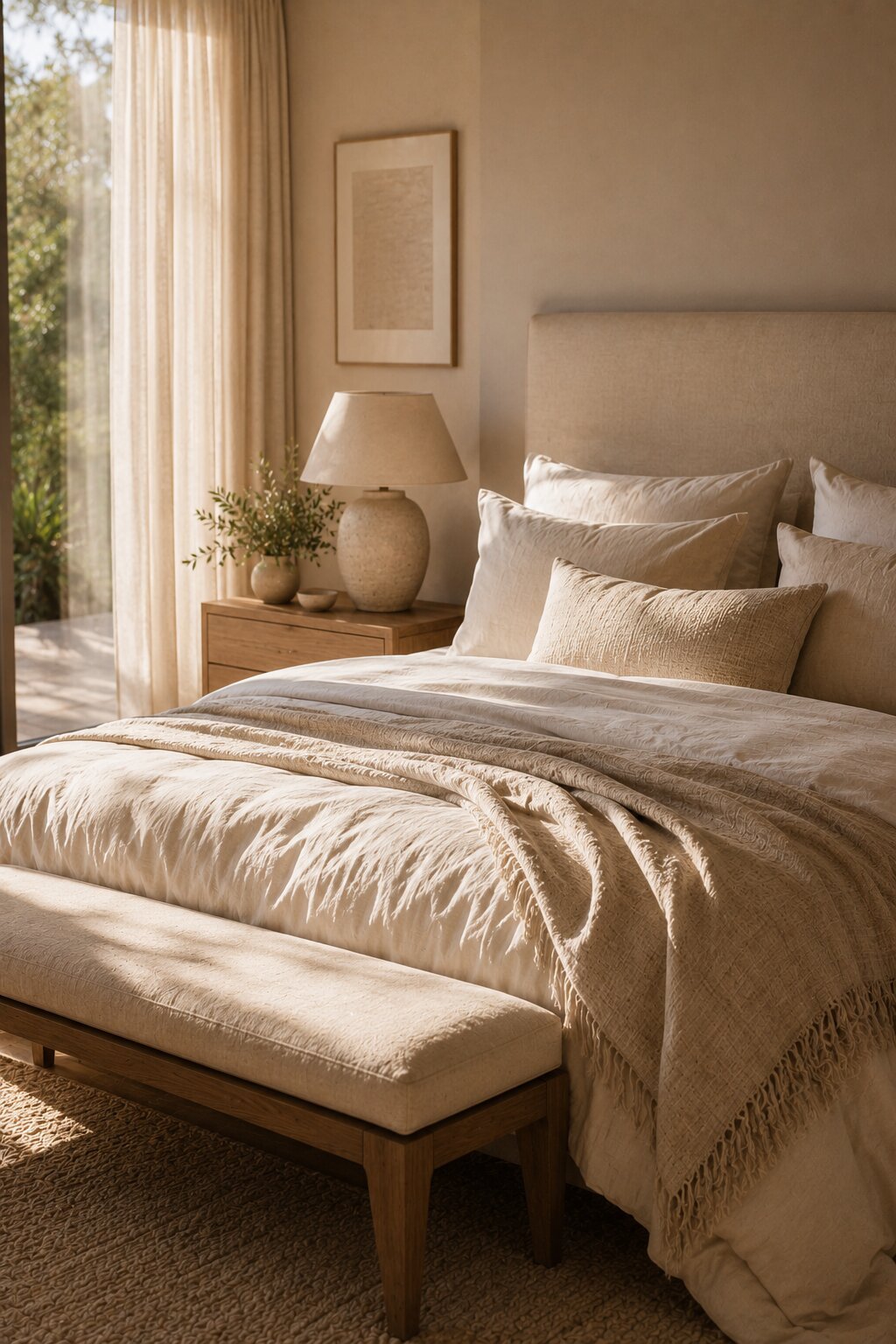
The bedroom should be one of the most peaceful rooms in the home. Minimalist bedroom design focuses on creating a restful environment that promotes relaxation and quality sleep. Start with high-quality bedding in neutral tones. Soft whites, warm beige shades, and muted gray tones create a calming atmosphere. Reduce unnecessary furniture and keep nightstands simple with only essential items.
Layering textures through linen bedding, knitted throws, and upholstered headboards adds warmth without cluttering the space. Soft lighting and thoughtful organization complete the hotel-inspired minimalist look. A well-designed minimalist bedroom feels luxurious because it removes distractions and prioritizes comfort.
18: Organic Shapes That Soften Modern Interiors
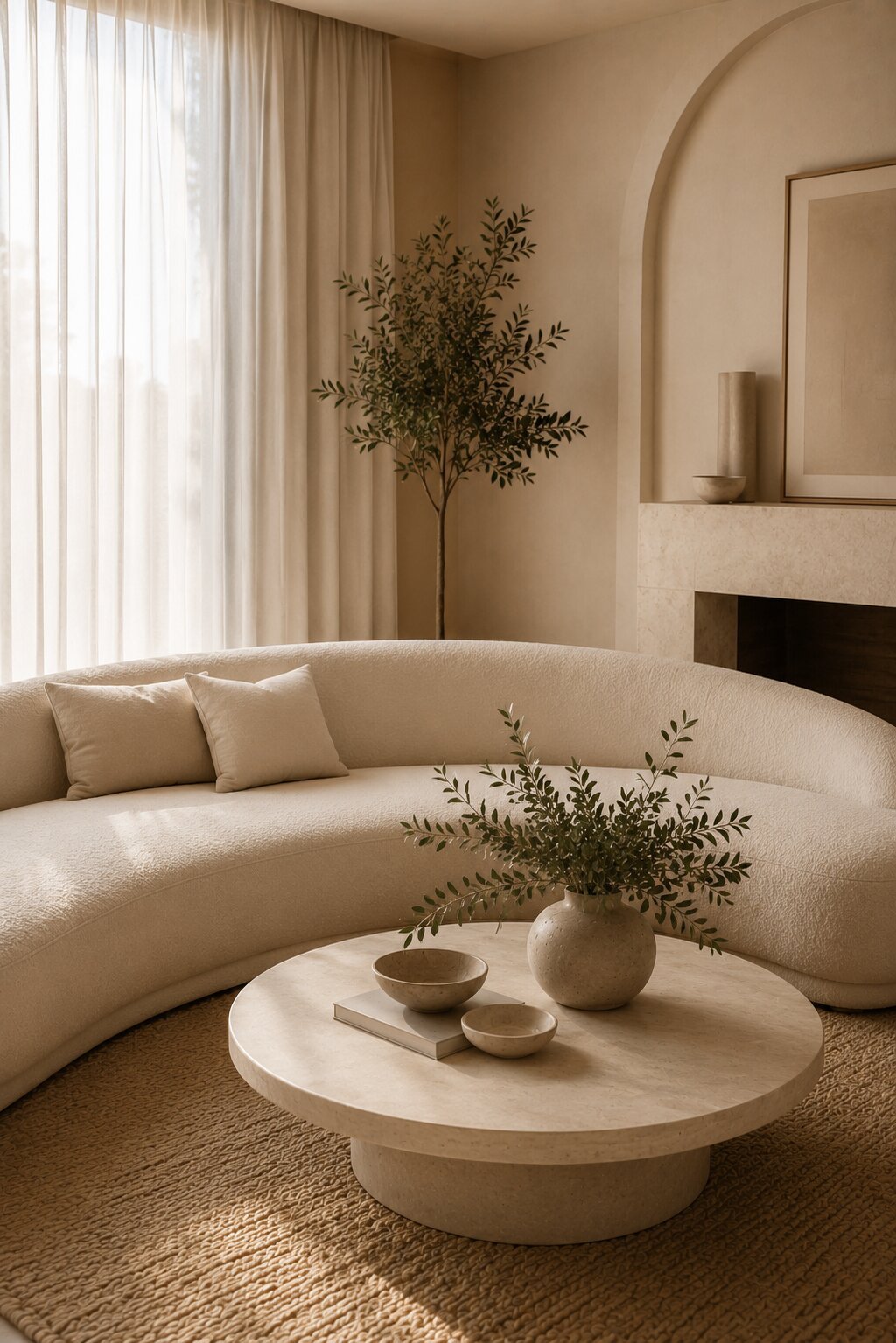
Minimalism no longer relies entirely on sharp lines and rigid geometry. One of the biggest interior design trends for 2026 is incorporating organic shapes that make minimalist spaces feel softer and more inviting. Curved sofas, rounded mirrors, sculptural lighting, arched shelving, and oval coffee tables create visual flow while maintaining simplicity.
These subtle curves help balance the clean architecture commonly found in minimalist homes. Organic shapes bring a natural and calming quality that feels modern yet timeless. They add personality without introducing visual clutter.
19: Minimalist Kitchen Styling with Clean Countertops
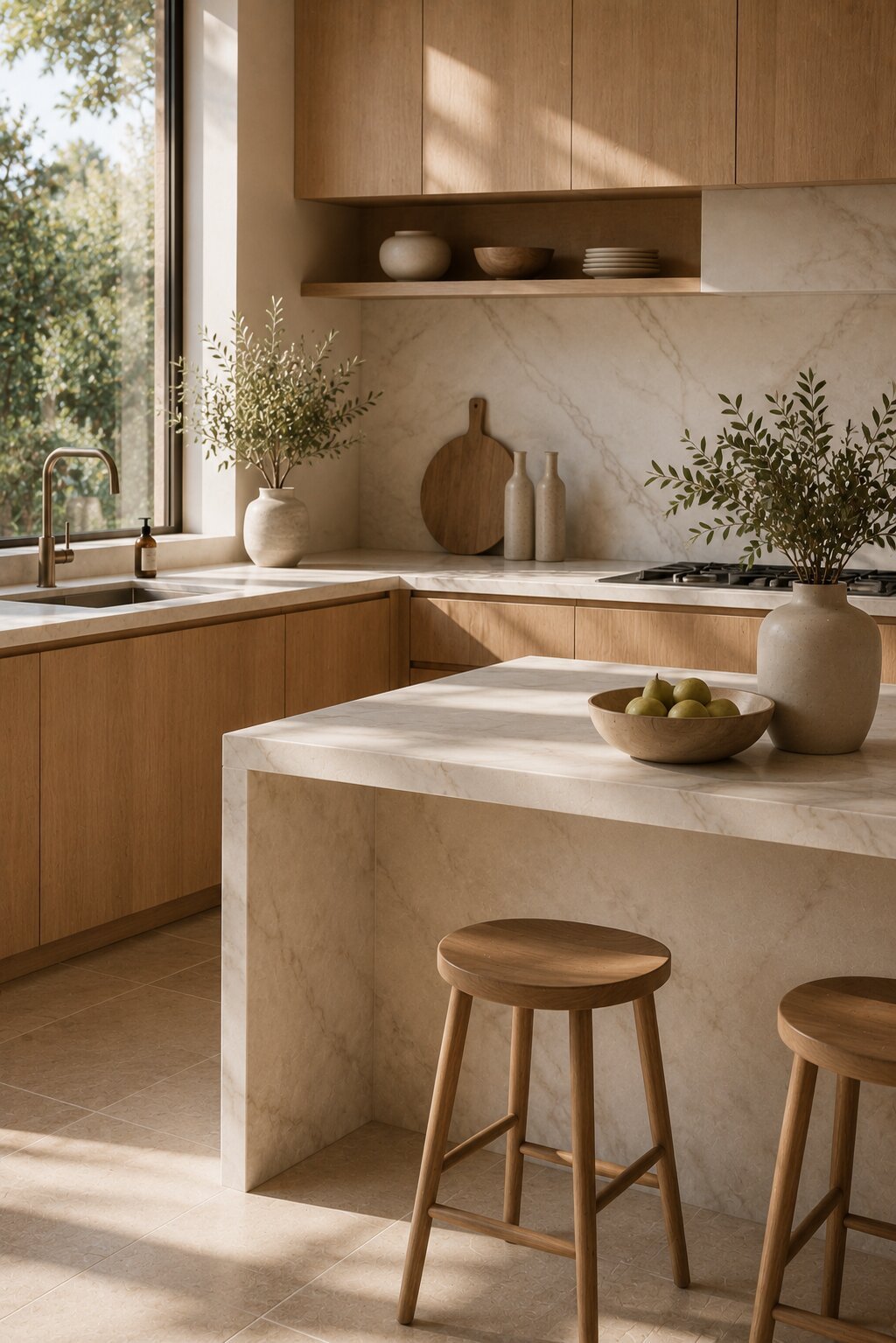
The kitchen often determines whether a home feels organized or chaotic. Minimalist kitchen design focuses on maintaining clear countertops and reducing visual clutter. Store small appliances inside cabinets whenever possible. Limit countertop decor to a few purposeful items such as a wooden cutting board, ceramic vase, or fruit bowl. Consistent materials and neutral colors help create a cohesive appearance. Minimalist kitchens are easier to clean, easier to maintain, and visually more relaxing. They encourage intentional organization and simplify daily routines.
20: Thoughtful Negative Space Throughout the Home
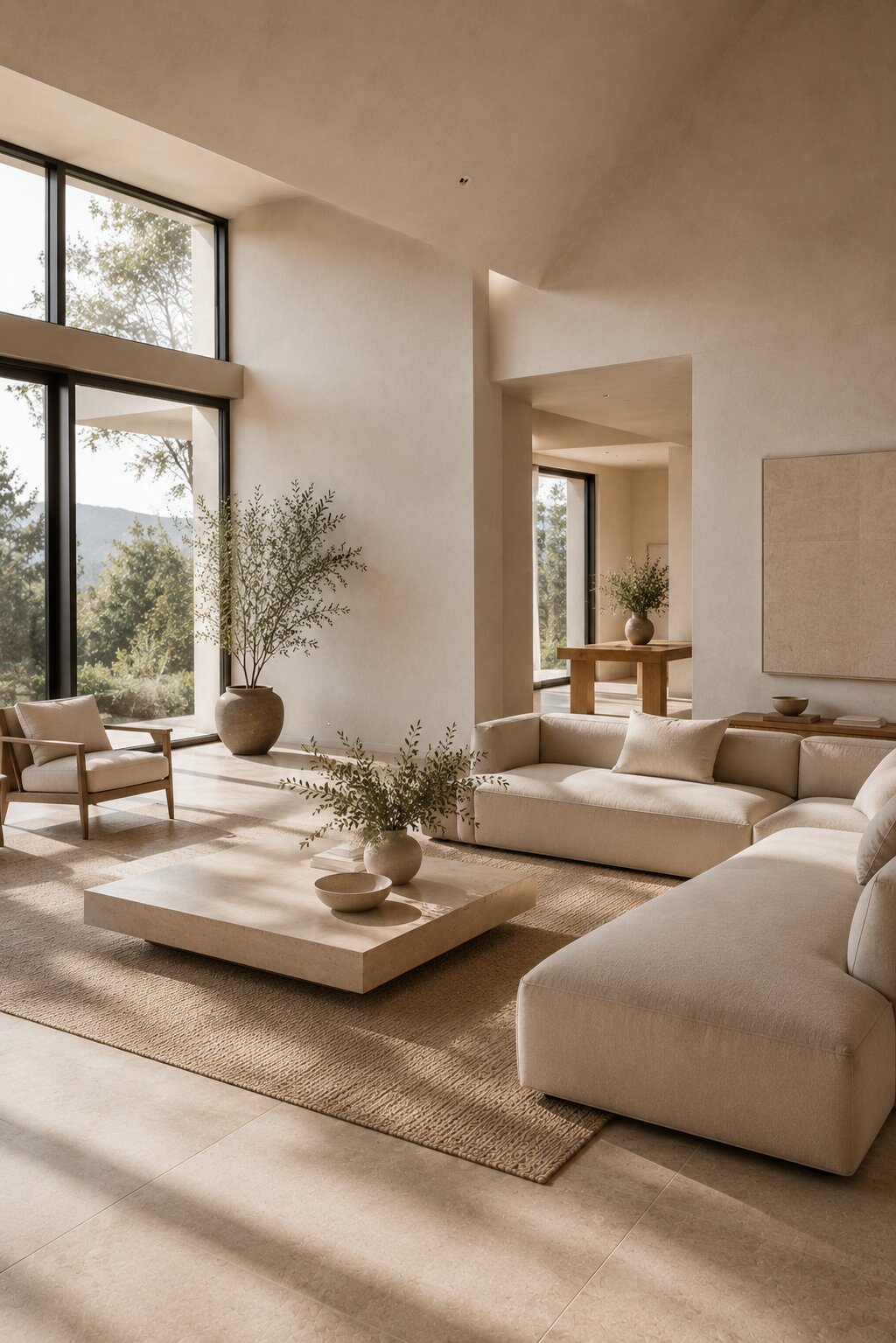
One of the most overlooked aspects of minimalist design is the intentional use of space. Negative space allows furniture, artwork, and architectural features to breathe. Many homeowners feel the need to fill every wall, shelf, and corner. However, leaving some areas intentionally empty creates balance and visual calm. Negative space draws attention to important design elements and prevents rooms from feeling overwhelming.
The most beautiful minimalist interiors often contain less decor than expected because they rely on proportion, light, and thoughtful placement rather than excessive decoration.
Conclusion
Minimalist home decor is more than a design trend. It is a lifestyle approach that prioritizes simplicity, intentionality, functionality, and peace of mind. By embracing neutral colors, natural materials, thoughtful storage solutions, and carefully curated decor, you can create a home that feels calm, organized, and timeless.
These minimalist home decor ideas for 2026 prove that simplicity does not mean sacrificing style. Whether you start by decluttering a single room or redesigning your entire home, each small change can help create a more beautiful and stress-free living environment. The goal is not perfection but creating a home that supports your daily life while bringing a sense of comfort and clarity.