


As an Amazon Associate we earn from qualifying purchases.
Walk down the sleep-aid aisle and you will see two kinds of products: serious-looking capsules in clinical packaging, and cheerful gummy jars that look like candy. OLLY Sleep firmly belongs to the second camp, and it has become one of the most recognizable melatonin gummies on the shelf, with its Blackberry Zen flavor and a formula that pairs melatonin with L-theanine and calming botanicals.
The short answer: this is a reasonable pick for adults dealing with occasional sleeplessness — travel, schedule changes, stressful weeks — who want a low-dose, drug-free melatonin gummy that actually tastes good. But it is not a fix for chronic insomnia, the 3 grams of added sugar per serving add up, and some users report next-day grogginess, headaches, or vivid dreams. Melatonin is also not something sleep experts recommend taking every night for months on end.
In this review: the full formula breakdown, what buyers praise and complain about, the red flags worth reading twice, and who should buy it — plus who should skip it and talk to a doctor instead.
Product at a Glance
| Product at a Glance | |
|---|---|
| DETAIL | 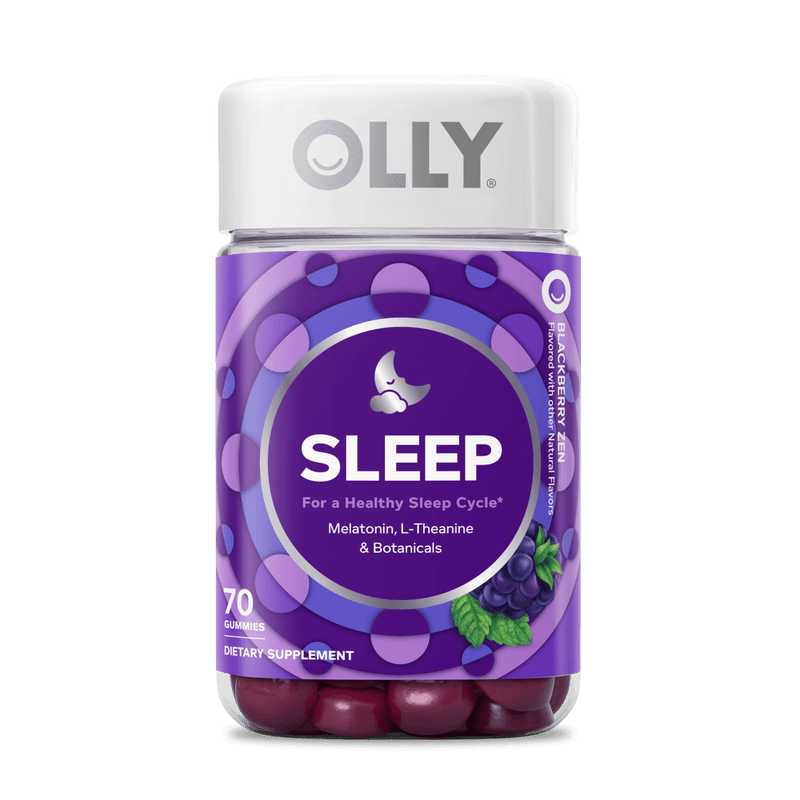 |
| SPEC | OLLY Sleep Gummy — Melatonin, L-Theanine, Chamomile & Lemon Balm, Blackberry Zen |
| SPEC |
|
| SPEC | Best for: adults with occasional sleeplessness — travel, schedule changes, stress — who want a low-dose melatonin gummy. |
| DETAIL | Check Price on Amazon |
A quick note on the photo above: it shows the 70-count jar from the same OLLY Sleep line. The Amazon listing linked in this review is the 90-count bottle (45 servings) — same formula, bigger count.
What’s Inside: The Formula
The headline ingredient is melatonin at 3mg per 2-gummy serving. That is a low-to-moderate dose by supplement standards — many sleep products on the market contain 5mg or 10mg per serving — and the lower dose is part of the appeal for people who want a gentler option. Melatonin is a hormone your body already makes to regulate the sleep-wake cycle; supplementing it is generally aimed at nudging that cycle rather than knocking you out.
Alongside the melatonin, the formula includes L-theanine, an amino acid found in tea that shows up in many calm-and-relaxation formulas, plus a botanical blend of chamomile, passionflower, and lemon balm extracts. These are traditional herbal ingredients long associated with winding down in the evening. The gummies come in Blackberry Zen flavor with a hint of mint, contain no synthetic flavors or colors, and are gluten-free.
The linked listing is a 90-count bottle, which works out to 45 servings at the brand’s directed use of 2 gummies taken 30 minutes before bed. The brand positions the product as drug-free and non-habit-forming.
What the Brand Claims
OLLY says its Sleep gummy supports a healthy sleep cycle and helps “mellow the mind and calm the body,” with melatonin plus calming botanicals to help you fall asleep and stay asleep. Those are the brand’s words, and they are worth reading as marketing rather than measured outcomes: “supports a healthy sleep cycle” is a structure-function claim of the kind supplement brands routinely make, and individual results vary widely with melatonin products.
What Buyers Like
Taste is the standout win. Sleep aids have a reputation for tasting medicinal, and buyers consistently describe the Blackberry Zen flavor as genuinely pleasant, with no bitter aftertaste. For a product you take right before bed, that matters more than it sounds — nobody wants to end the day with something chalky.
The second theme in positive reviews is the quality of the drowsiness. Rather than the heavy, knocked-out sedation some sleep aids produce, buyers describe a calm “winding down” feeling — eyelids getting heavy, racing thoughts quieting — which lines up with the low melatonin dose plus theanine-and-botanical positioning. Many long-term users say the effect has stayed consistent for them over time, and the drug-free, non-habit-forming framing gives hesitant buyers more confidence to try it.
What Buyers Complain About
The most common criticism is the sugar: 3 grams of added sugar per 2-gummy serving. For a nightly product, that is a real consideration if you are watching sugar intake, and sugar-free alternatives exist in the sleep-gummy category.
Then there are the morning-after reports. A noticeable minority of users describe next-day grogginess, headaches, or unusually vivid dreams. Melatonin affects people differently, and the dose, timing, and your own sensitivity all play a role — but if you need to be sharp early, the grogginess reports are worth taking seriously. Some users also mention that the effect seemed to fade with nightly use, suggesting tolerance can build, and that gummies arrived melted together in summer shipments, which is a packaging-and-heat issue rather than a formula problem.
Finally, expectations: buyers who hoped it would fix chronic insomnia tend to be disappointed. This is a low-dose supplement for occasional sleeplessness, not a treatment for a sleep disorder.
Red Flags to Know Before You Buy
Read this section before you buy. Melatonin is widely available, but “available everywhere” is not the same as “risk-free”:
- Side effects are real. Headaches, dizziness, daytime grogginess, and vivid dreams are among the commonly reported melatonin side effects. Start with the directed serving and see how you respond.
- Drug interactions. Melatonin can interact with antidepressants, blood thinners, and immunosuppressants, among other medications. Check with your doctor or pharmacist first if you take any prescription drugs.
- Not for nightly, long-term use. Most sleep experts advise against taking melatonin every night for extended periods. It is best positioned for short-term or occasional use — jet lag, schedule disruptions, rough patches — not as a permanent bedtime fixture.
- Not a treatment for insomnia or sleep disorders. If you regularly cannot fall or stay asleep, that deserves a medical evaluation, not a gummy.
- Pregnancy safety is not established. Melatonin has not been established as safe during pregnancy or breastfeeding.
- Content is not FDA-regulated like drugs. Supplement melatonin content is not regulated the way prescription drugs are, and independent testing has found actual melatonin content sometimes differs from the label.
- Do not drive or operate machinery after taking it.
A note on supplements: talk to a healthcare professional before trying OLLY Sleep — especially if you are pregnant, nursing, managing a medical condition, or taking medication. This review is informational only and is not medical advice.
Frequently Asked Questions
How much melatonin is in each serving of OLLY Sleep?
Each serving of 2 gummies contains 3mg of melatonin, alongside L-theanine and a botanical blend of chamomile, passionflower, and lemon balm extracts. The 90-count bottle provides 45 servings at the brand’s directed use.
Does OLLY Sleep cause grogginess the next day?
It can for some people. Next-day grogginess, along with headaches and vivid dreams, is among the commonly reported melatonin side effects. Taking the directed serving 30 minutes before bed and allowing a full night’s sleep reduces the risk, but if you need to be sharp early in the morning, pay attention to how you respond the first few times.
Is OLLY Sleep safe for nightly use?
Most sleep experts advise against long-term nightly melatonin use. OLLY Sleep is best positioned for occasional sleeplessness — travel, schedule changes, stressful periods — rather than as a permanent nightly habit. If you find yourself needing it every night, talk to a healthcare professional.
Is OLLY Sleep drug-free?
Yes, according to the brand. OLLY Sleep is marketed as drug-free and non-habit-forming, with no synthetic flavors or colors, and it is gluten-free. That said, melatonin is still a hormone with real effects and interactions, so ‘drug-free’ does not mean ‘risk-free.’
The Verdict
OLLY Sleep is one of the better-executed melatonin gummies on the shelf: a sensible 3mg dose, a genuinely pleasant Blackberry Zen flavor, and a calm winding-down effect that many buyers prefer over heavier sleep aids. For occasional sleeplessness, it earns its popularity.
The caveats are real, though. Three grams of added sugar per serving, morning-after grogginess for some users, and the broader cautions around melatonin — interactions, long-term nightly use, pregnancy — mean this is a product to use thoughtfully, not automatically.
Who should buy it: adults with occasional sleeplessness from travel, schedule changes, or stress, who want a low-dose, good-tasting, drug-free melatonin gummy for short-term use.
Who should skip it: anyone with chronic insomnia or a sleep disorder (see a doctor instead), people who are pregnant or nursing, anyone on interacting medications, and buyers who want a sugar-free option.
