

As an Amazon Associate we earn from qualifying purchases.
Short answer: Seed’s DS-01 Daily Synbiotic is one of the most seriously formulated probiotics you can buy — 24 probiotic strains with published clinical research behind them, a capsule-in-capsule delivery system designed to get more bacteria past stomach acid alive, and labeling that names every single strain instead of hiding behind a proprietary blend. It’s also about fifty dollars a month, needs weeks before most people notice anything, and carries guarantee fine print that surprises buyers.
This is a research-based review, not a personal testing diary. Everything below comes from the published strain data, Seed’s own claims (flagged as claims throughout), and patterns across buyer reviews — the recurring praise and the recurring complaints, including a few the marketing doesn’t mention.
Product at a Glance
| Product at a Glance | |
|---|---|
| Photo | 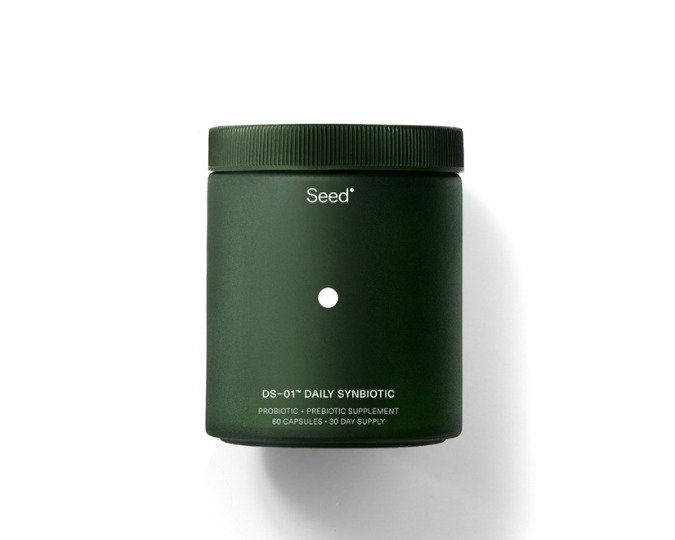 |
| Name | Seed DS-01 Daily Synbiotic — Prebiotic and Probiotic for Women & Men, 60 Capsules (30-Day Supply) |
| Key Specs |
|
| Best For | Adults who want a research-backed daily synbiotic with transparent strain labeling — and don’t mind paying a premium for it. |
| Price Check | Check Price on Amazon |
What You’re Actually Buying
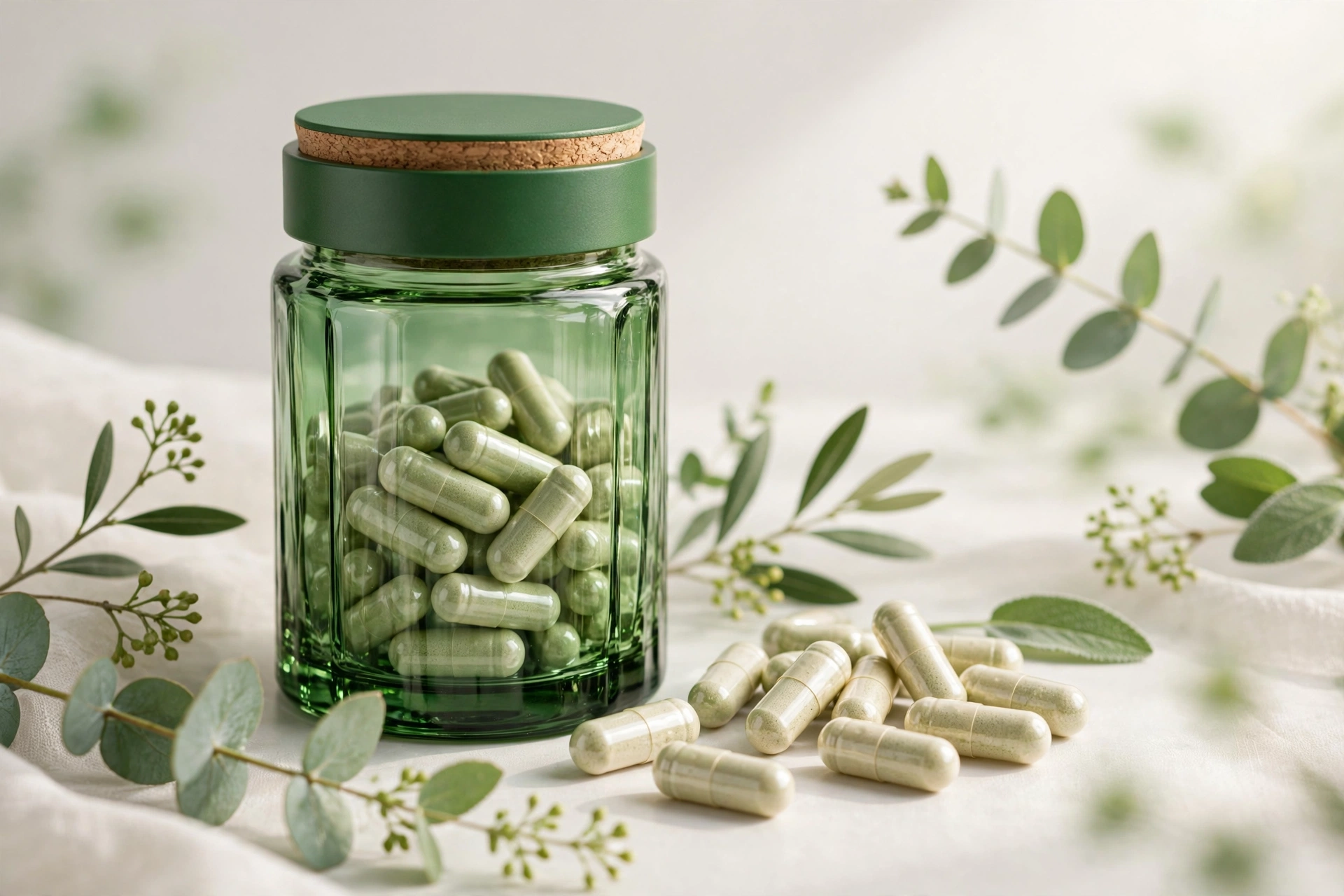
DS-01 ships in a small green glass jar — the look is distinctive enough that you’ve probably seen it on a bathroom shelf in a magazine spread. After the first month, refills come in compostable pouches, so you keep the jar instead of tossing a plastic bottle every 30 days. It’s a genuinely nice sustainability touch, and reviewers mention it unprompted.
The daily routine is simple: two small capsules, once a day. Sixty capsules per jar, one jar per month. The capsules are small and tasteless — a detail that sounds trivial until you’ve gagged on a fishy omega-3 or a horse-pill multivitamin.
Inside is what’s called a synbiotic: probiotic strains plus a prebiotic intended to feed them. The headline numbers are 24 probiotic strains and 53.6 billion AFU per serving. AFU — active fluorescent units — is the industry’s newer way of counting viable microbes, and it’s arguably more honest than the traditional CFU count, which tallies colonies on a petri dish whether or not every cell is metabolically active.
The Strain List Is the Whole Argument
Here’s what separates DS-01 from the $15 drugstore bottle: Seed publishes all 24 strains with references to the clinical studies behind them. Most probiotic brands list a few species and stop; strain-level transparency is rare, because strains are where benefits actually live. “Lactobacillus” is a genus. A specific strain of Lactobacillus with a human trial behind it is a different thing entirely.
Does that make DS-01 “clinically proven”? Careful. Individual strains have published research; the finished 24-strain blend as a whole doesn’t have the kind of large independent trial that would let anyone claim drug-level proof. The science nearby is real and unusually well documented for a supplement — but there’s a gap between “strains with published research” and “this product is proven to do X,” and honest reviews should say so.
ViaCap: Clever Engineering, With an Asterisk
The capsule-in-capsule design puts the prebiotic in an outer capsule and the probiotics in an inner one. The stated rationale: shield the bacteria through stomach acid so more of them arrive alive in the colon. The underlying logic is sound — stomach acid genuinely destroys a meaningful share of unprotected probiotics — and it’s a more thoughtful approach than a standard capsule.
The asterisk: Seed’s specific delivery advantage is a brand claim. I couldn’t find independent head-to-head studies verifying that ViaCap delivers more viable bacteria than competing delayed-release designs. Plausible mechanism, no independent verification — file it under “promising” rather than “proven.”
What Buyers Like
The praise clusters tightly. Improved digestion and regularity within a few weeks. Less bloating and gas. IBS sufferers describing meaningful symptom relief in brand-site reviews — take those with the usual grain of salt for hosted reviews, but the pattern is consistent. Beyond results, people like the practical stuff: capsules are tasteless and easy to swallow, no refrigeration is needed (shelf-stable matters if you travel), and the refill packaging gets genuine love from buyers tired of plastic bottles.
What Buyers Complain About
Price leads every complaint thread — roughly $50 a month is a real commitment, and it never stops being a subscription-shaped expense. Then there’s the adjustment period: bloating, gas, and cramping in the first days to weeks are common enough that Seed itself warns new users about it. For most people it passes. For some reviewers, GI side effects only resolved when they stopped taking DS-01 entirely — worth knowing before you buy three months’ worth.
Benefits take weeks, which frustrates anyone expecting a 48-hour transformation. And the subscription model grates: the brand site pushes it hard, which is exactly why the Amazon listing matters — it’s a one-time purchase with no subscription attached.
Red Flags — Read Before You Buy
⚠️ Red Flags — Read Before You Buy
- Dietary supplements are not FDA-approved — and DS-01 is no exception. Claims about gut barrier integrity, immune function, skin health, heart health, and micronutrient synthesis are brand assertions: interesting, partially research-adjacent, but not drug-level evidence. Treat them as marketing with science nearby.
- The 30-day money-back guarantee applies to the FIRST order only. Refill orders are final sale after 30 days. Your evaluation window is month one — use it deliberately.
- That 4.82/15,535 rating figure is from Seed’s own site. It is not an Amazon rating, and brand-hosted reviews skew positive by nature.
- Talk to a healthcare professional first if you’re pregnant, nursing, or managing IBS, IBD, or any digestive condition. Probiotics are generally well tolerated. “Generally” is doing load-bearing work in that sentence.
Price and Where to Buy
Seed sells DS-01 primarily through its own website as a subscription — around $49.99/month at the time of research. Treat that as an observed figure, not a live price; check the current offer before you commit. The Amazon listing is the flexible alternative: a one-time purchase with no subscription. One honest caveat from our research — availability on Amazon has been intermittent, and at least one recent check showed no featured offers at all. If the button below comes up empty, the brand site is the reliable fallback.
Frequently Asked Questions
How long does it take for the Seed probiotic to work?
Most buyers who report benefits describe a timeline of weeks rather than days — typically two to four weeks for noticeable digestive changes, with some people needing a full month. Seed’s own guidance suggests giving DS-01 at least 30 days. Expect a possible adjustment period of bloating or gas in the first week or two before judging results.
What are the side effects of Seed DS-01?
The most commonly reported side effects are digestive: bloating, gas, and mild cramping during the first days to weeks. For most people this passes as the gut adjusts, but some reviewers say their symptoms only resolved after they stopped taking it. If you experience persistent discomfort, stop and talk to a healthcare professional.
Is Seed probiotic sold on Amazon?
Yes — there is a one-time-purchase listing for DS-01 on Amazon, which is useful if you’d rather avoid the brand site’s subscription model. One caution from our research: availability on Amazon has been intermittent, with at least one recent check showing no featured offers. If the listing shows unavailable, the Seed website is the reliable fallback.
Is Seed worth $50 a month?
It depends on what you value. If you want the most transparent strain labeling in the industry and published clinical research behind the formula — and you’ll take it daily for months — DS-01 is arguably the best-built option at this price. If you want fast results, dislike subscriptions, or are price-sensitive, cheaper well-studied probiotics exist. Our take: try the first (guaranteed) month with expectations set in weeks, not days.
The Verdict
DS-01 earns its premium reputation on formulation transparency and strain science — few competitors publish this much about what’s actually in the capsule. It loses points on price, the slow onset, and guarantee fine print that favors the house after month one.
Who should try it: anyone who values research-backed formulation, wants strain-level transparency, and will take it daily for months with expectations set in weeks, not days. Who should skip it: bargain hunters, anyone wanting fast results, and anyone who hates subscriptions — the Amazon one-time listing softens that last objection when it’s actually in stock.
Not a miracle, not a scam. Just an unusually well-documented probiotic with a luxury price tag — try the first (guaranteed) month and judge it on your own digestion, not the marketing.
