



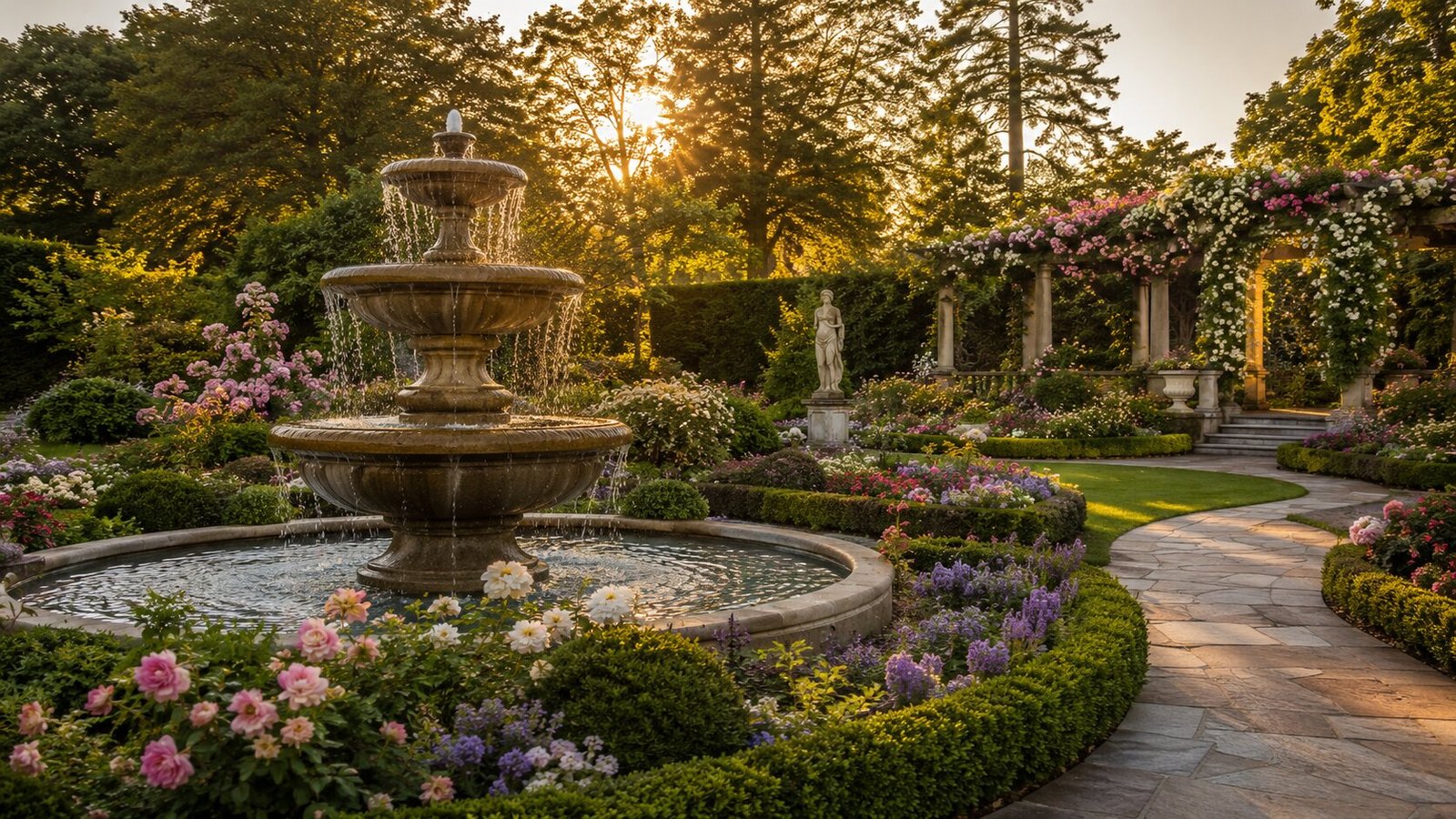
A beautiful garden feels memorable when it has a focal point that naturally draws the eye. Without a centerpiece, even a well-designed landscape can feel scattered or unfinished. The best garden centerpiece ideas create structure, balance, and personality while making the entire outdoor space feel intentional.
Whether you love romantic cottage gardens, modern landscapes, rustic backyard retreats, or luxury outdoor spaces, adding a striking centerpiece can completely transform the look and feel of your yard. From elegant fountains and sculptural trees to flower-filled islands and statement pergolas, the right focal point creates visual interest throughout every season.
These garden centerpiece ideas for 2026 combine timeless landscape design principles with Pinterest-worthy inspiration to help you create a garden that feels beautiful, inviting, and unforgettable.
1: Large Tiered Fountain Surrounded by Flowers
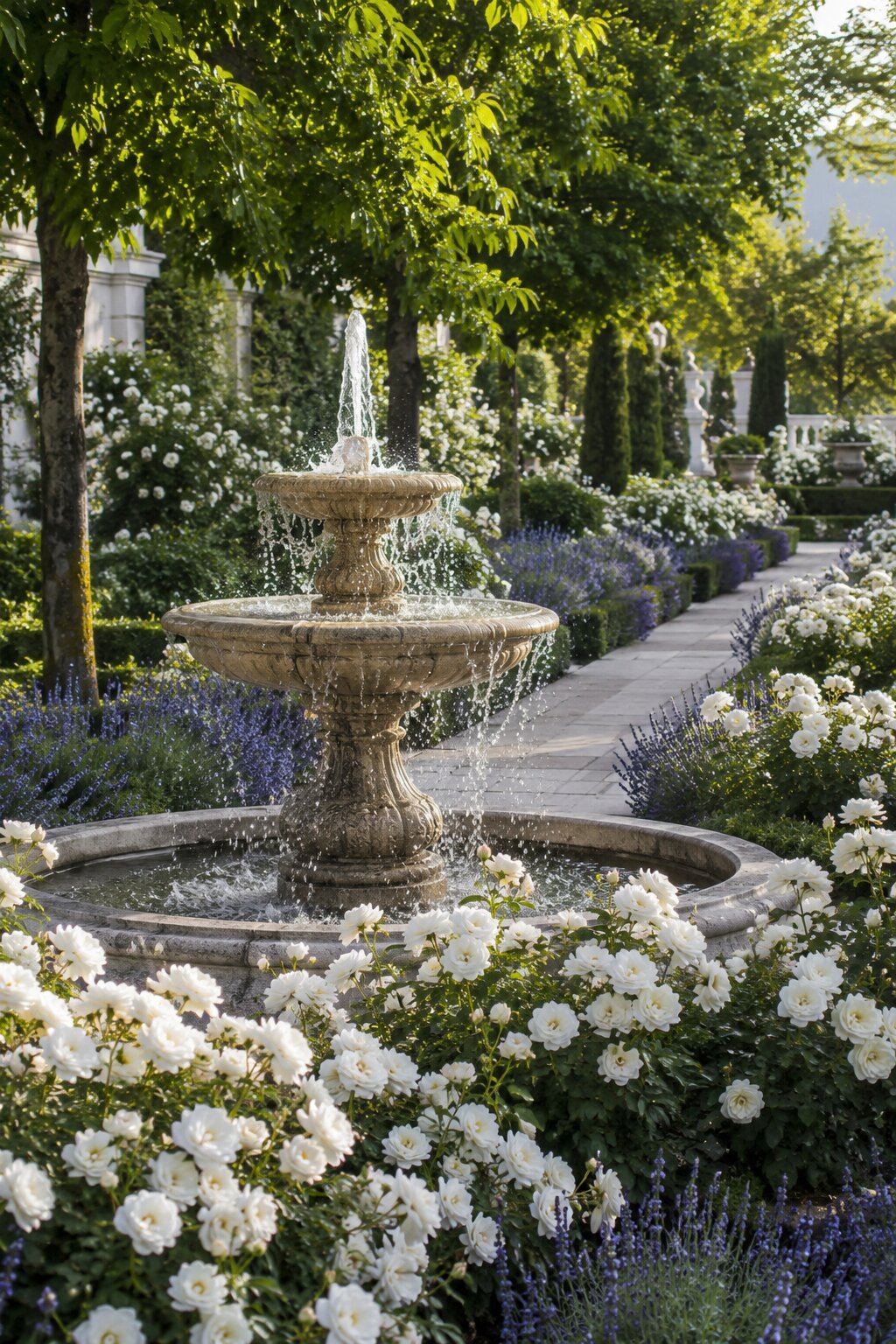
A classic tiered fountain remains one of the most elegant garden centerpiece ideas because it combines movement, sound, and architectural beauty in a single feature. Flowing water naturally attracts attention and creates a calming atmosphere throughout the landscape.
Surround the fountain with layered flower beds featuring roses, hydrangeas, lavender, and seasonal blooms to create a luxurious garden setting. Symmetrical planting designs work particularly well because they emphasize the formal elegance of the fountain. This centerpiece is especially effective in traditional gardens, European-inspired landscapes, and large front yard designs where a strong focal point helps organize the overall layout.
2: Flowering Ornamental Tree Island
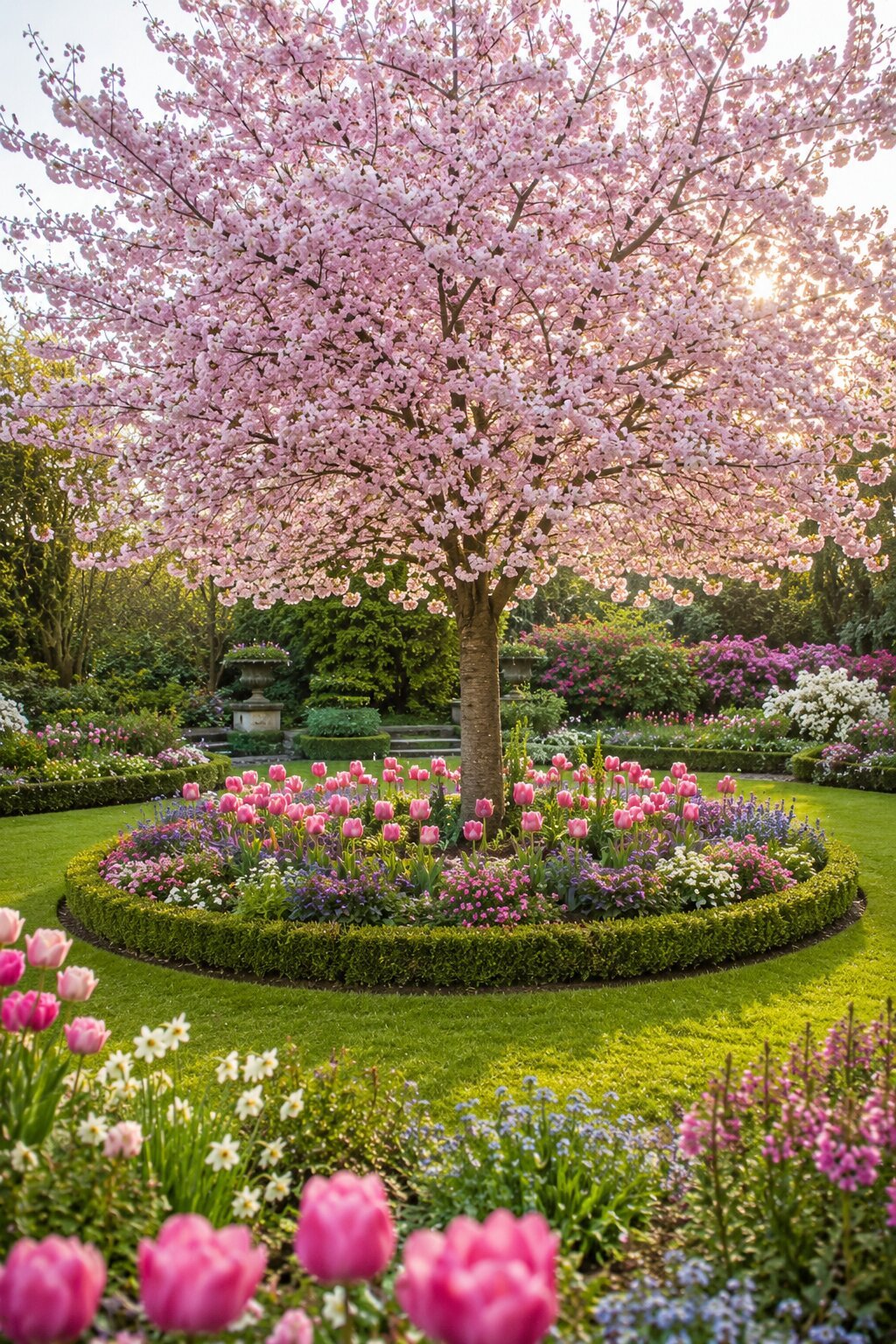
A flowering ornamental tree instantly becomes the star of a landscape. Trees like Japanese cherry blossoms, dogwoods, magnolias, or ornamental crabapples create breathtaking seasonal displays while providing year-round structure. Creating a circular planting island around the tree enhances its visual impact. Low-growing perennials, decorative grasses, and seasonal flowers can add color while keeping the tree as the primary attraction.
This approach works beautifully in both large and small gardens because the tree creates vertical interest without requiring extensive hardscaping.
3: Modern Sculptural Garden Feature
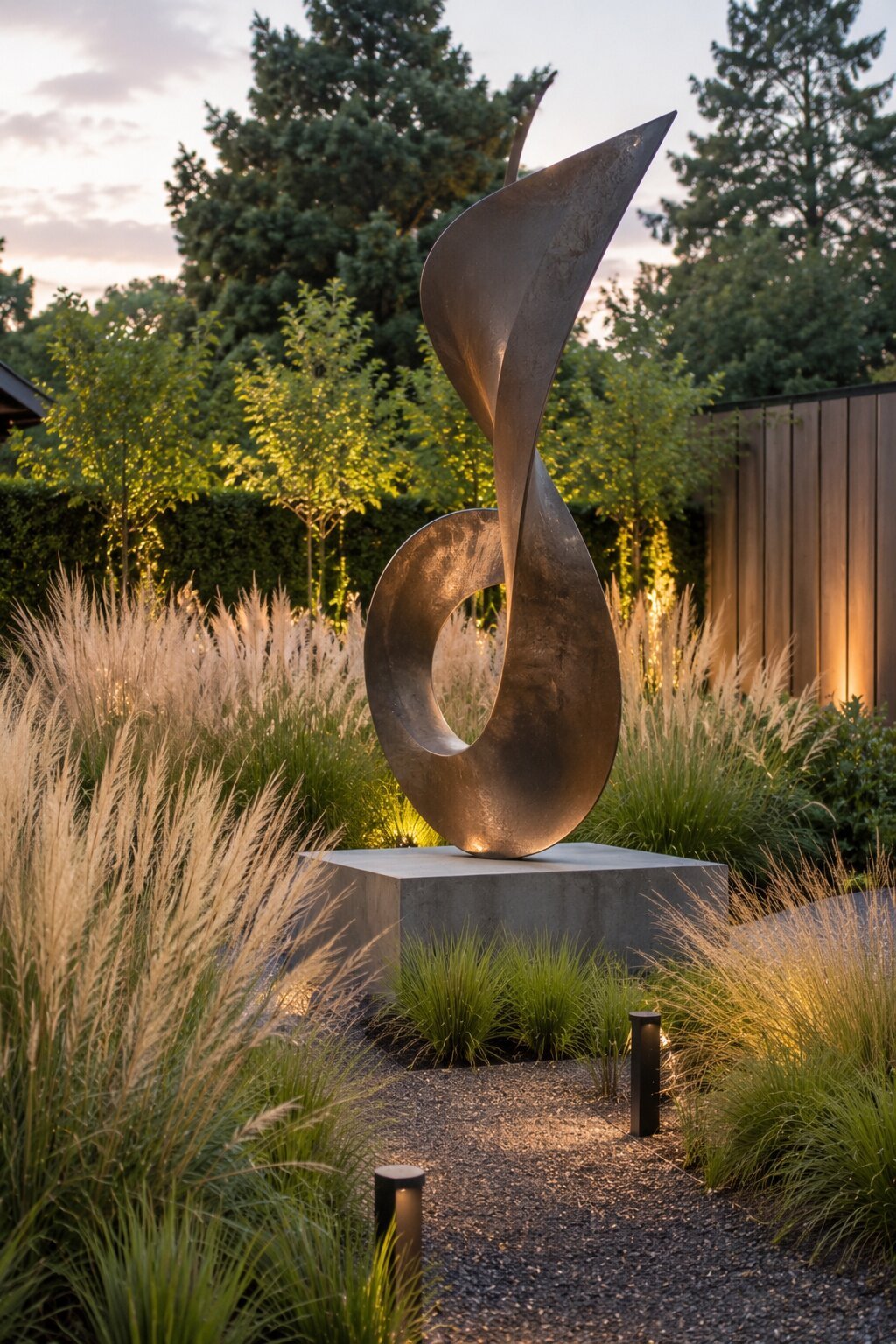
Modern landscapes often benefit from artistic focal points that introduce bold forms and clean lines. A contemporary sculpture can serve as an eye-catching centerpiece while creating a sophisticated outdoor atmosphere.
Large metal sculptures, abstract stone forms, or geometric art pieces work particularly well in minimalist gardens. Their strong shapes create contrast against soft plantings and natural textures. Strategic landscape lighting can further enhance the sculpture after sunset, extending its visual impact into the evening.
4: Circular Rose Garden Centerpiece
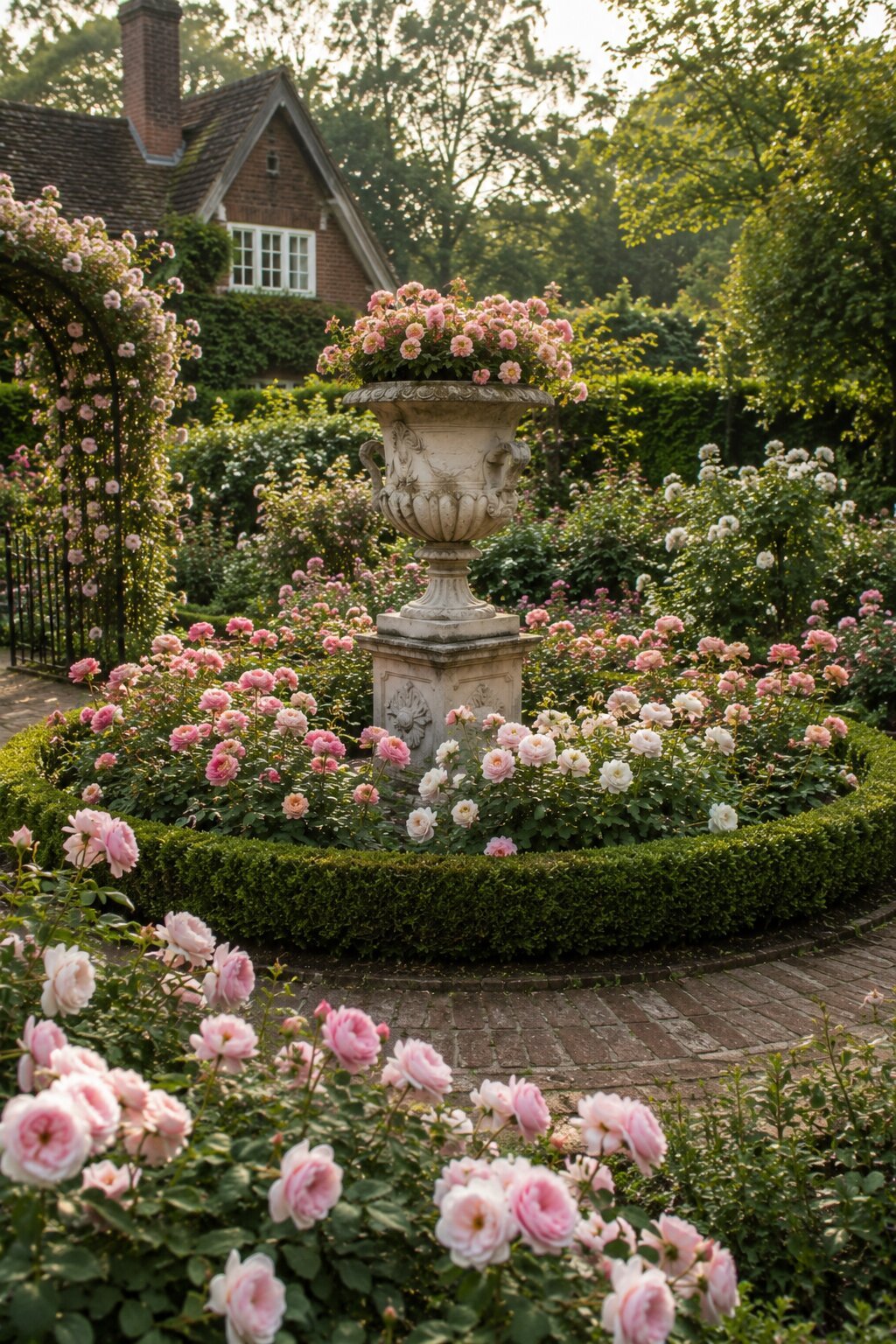
A circular rose garden creates one of the most romantic landscape focal points imaginable. The structured shape naturally attracts attention while the flowers add color, fragrance, and seasonal beauty. Position a small decorative feature in the center such as a birdbath, pedestal planter, or vintage urn. Surround it with concentric rings of roses to create a stunning visual effect. The design feels timeless and works particularly well in English cottage gardens and traditional landscapes.
5: Statement Garden Pergola
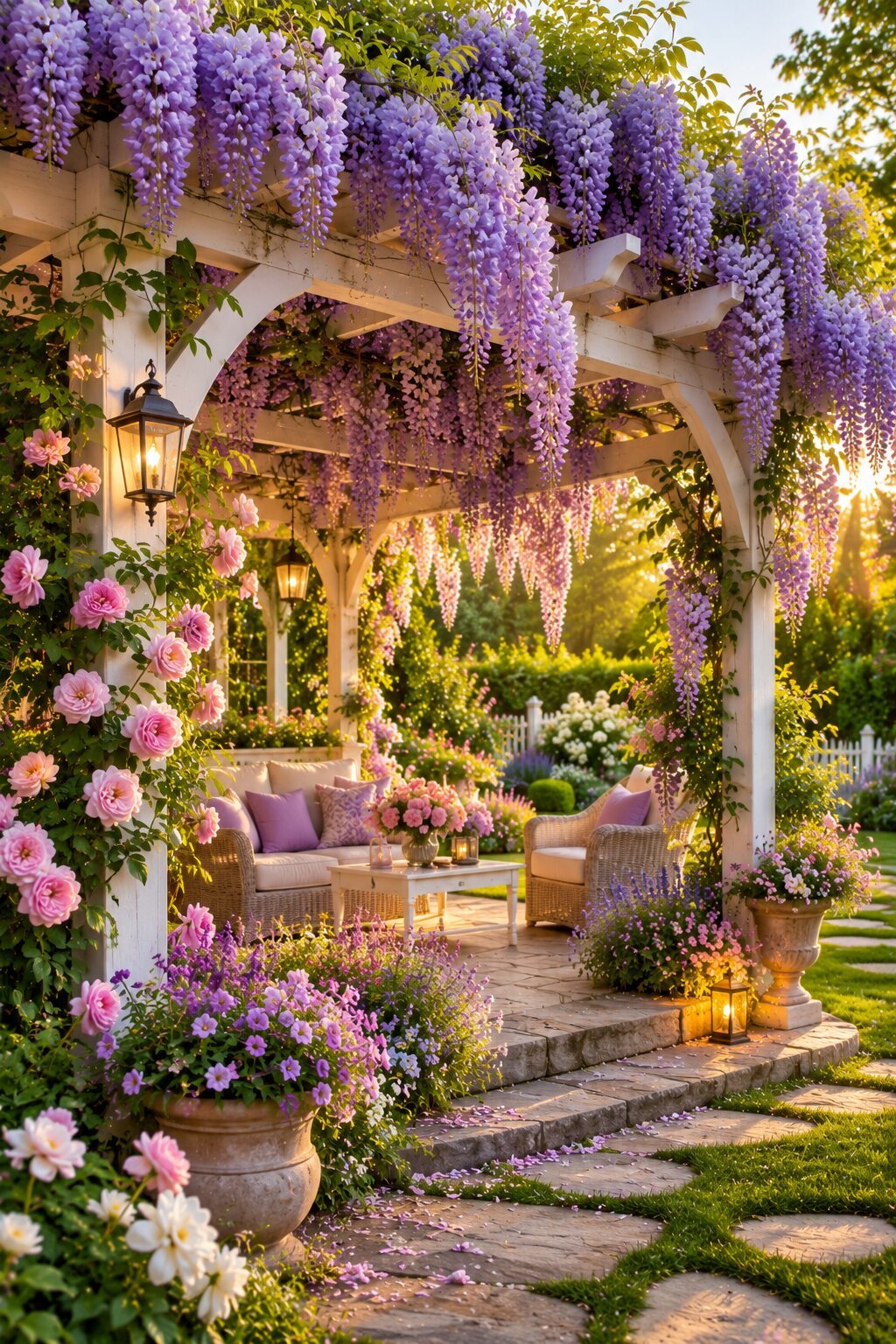
A pergola can become a dramatic centerpiece when positioned strategically within the landscape. Rather than serving only as a seating area, it becomes an architectural destination that anchors the garden design. Allow climbing roses, wisteria, jasmine, or clematis to cover the structure for a lush, romantic effect. Add a bench, swing, or outdoor seating beneath it to increase functionality. The combination of height, structure, and greenery creates a focal point that remains attractive throughout multiple seasons.
6: Decorative Garden Obelisk with Climbing Flowers
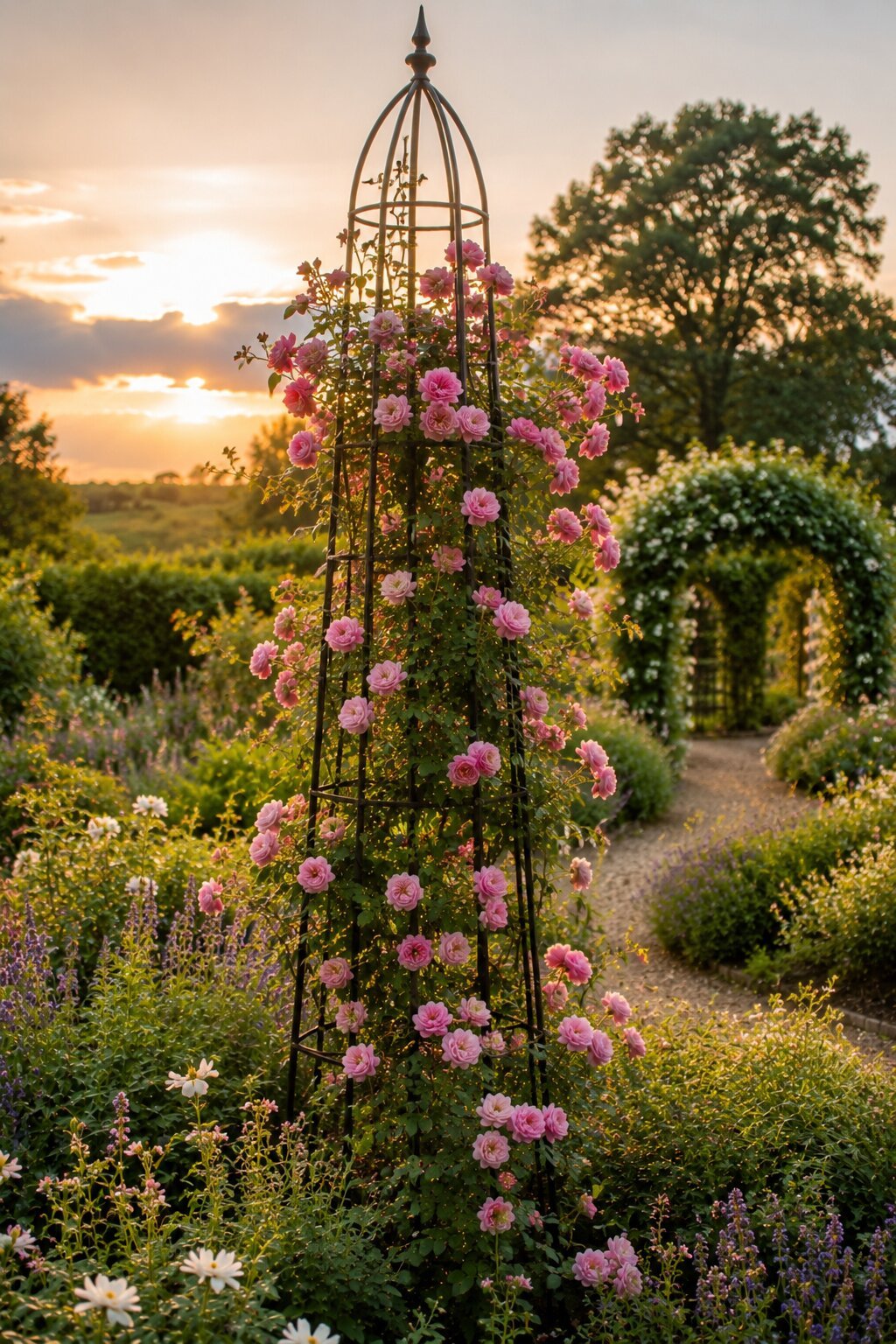
A decorative garden obelisk creates an elegant vertical focal point that instantly adds height and structure to the landscape. While many gardeners focus only on flower beds, introducing a vertical centerpiece helps create dimension and makes the garden feel professionally designed. An obelisk covered in climbing roses, clematis, sweet peas, or jasmine becomes even more dramatic as the plants mature and fill the structure with blooms and greenery.
One reason this centerpiece works so well is that it remains attractive throughout the year. During spring and summer, flowering vines provide color and fragrance. In autumn, the structure still adds visual interest even as flowers fade. During winter, a metal or wooden obelisk continues to provide architectural beauty when many plants are dormant.
Position the obelisk at the center of a circular flower bed, at the end of a garden path, or within a formal parterre design. Layer lower-growing perennials around the base to create a balanced composition that naturally directs attention upward. This approach is particularly effective in smaller gardens because it delivers strong visual impact without taking up much ground space.
7: Oversized Decorative Urn with Seasonal Plantings
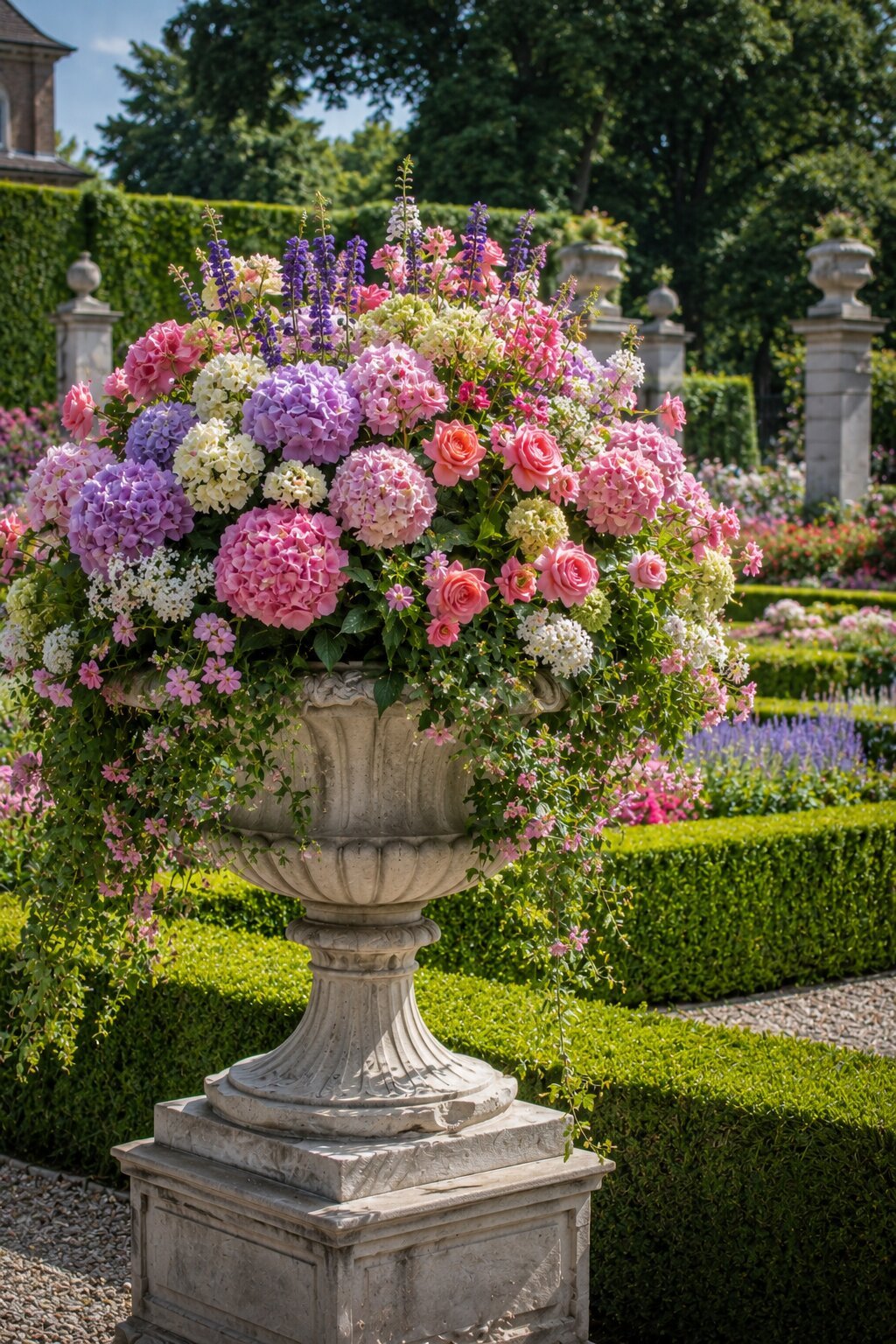
A large decorative urn can transform an ordinary garden into a sophisticated landscape with very little effort. Unlike permanent structures, an oversized planter allows you to refresh the appearance of your centerpiece throughout the year by changing seasonal flowers and foliage.
For spring, plant tulips, pansies, and flowering bulbs. During summer, overflowing petunias, geraniums, and trailing vines create dramatic color displays. Autumn arrangements featuring ornamental kale, chrysanthemums, and decorative grasses add seasonal texture, while winter greenery keeps the centerpiece attractive even during colder months.
The scale of the urn is what makes this feature effective. Small containers often disappear visually within the landscape, but a substantial stone, concrete, or terracotta urn commands attention and creates an elegant focal point. Position it at the center of a circular garden bed or at a pathway intersection where it can be appreciated from multiple angles.
8: Natural Boulder and Rock Garden Display
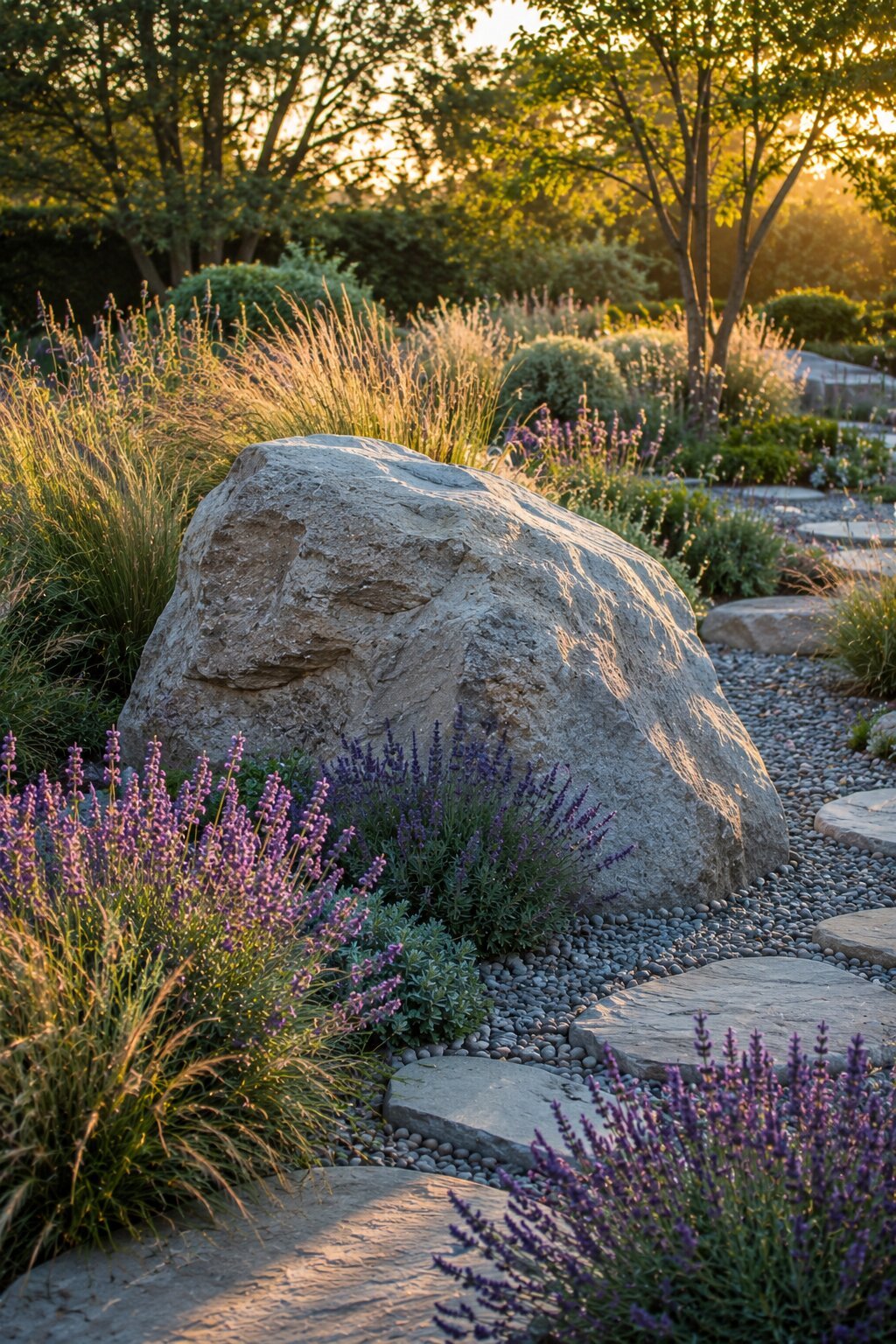
For homeowners who prefer a more organic landscape style, a natural boulder arrangement creates a stunning centerpiece that feels timeless and connected to the surrounding environment. Large decorative rocks introduce texture, permanence, and sculptural beauty while blending naturally with plants and hardscape features.
The key to success is selecting one or two substantial boulders rather than scattering many small rocks throughout the space. Surround the centerpiece with ornamental grasses, drought-tolerant perennials, lavender, sedum, or low-growing ground covers to soften the edges and integrate the feature into the landscape.
This approach works especially well in modern naturalistic gardens, xeriscapes, mountain-inspired landscapes, and low-maintenance garden designs. Unlike many floral focal points, rock gardens require minimal upkeep while maintaining their visual appeal year after year. Adding landscape lighting can dramatically enhance the texture of the stone during evening hours, creating an entirely different garden experience after sunset.
9: Reflecting Pond with Aquatic Plants
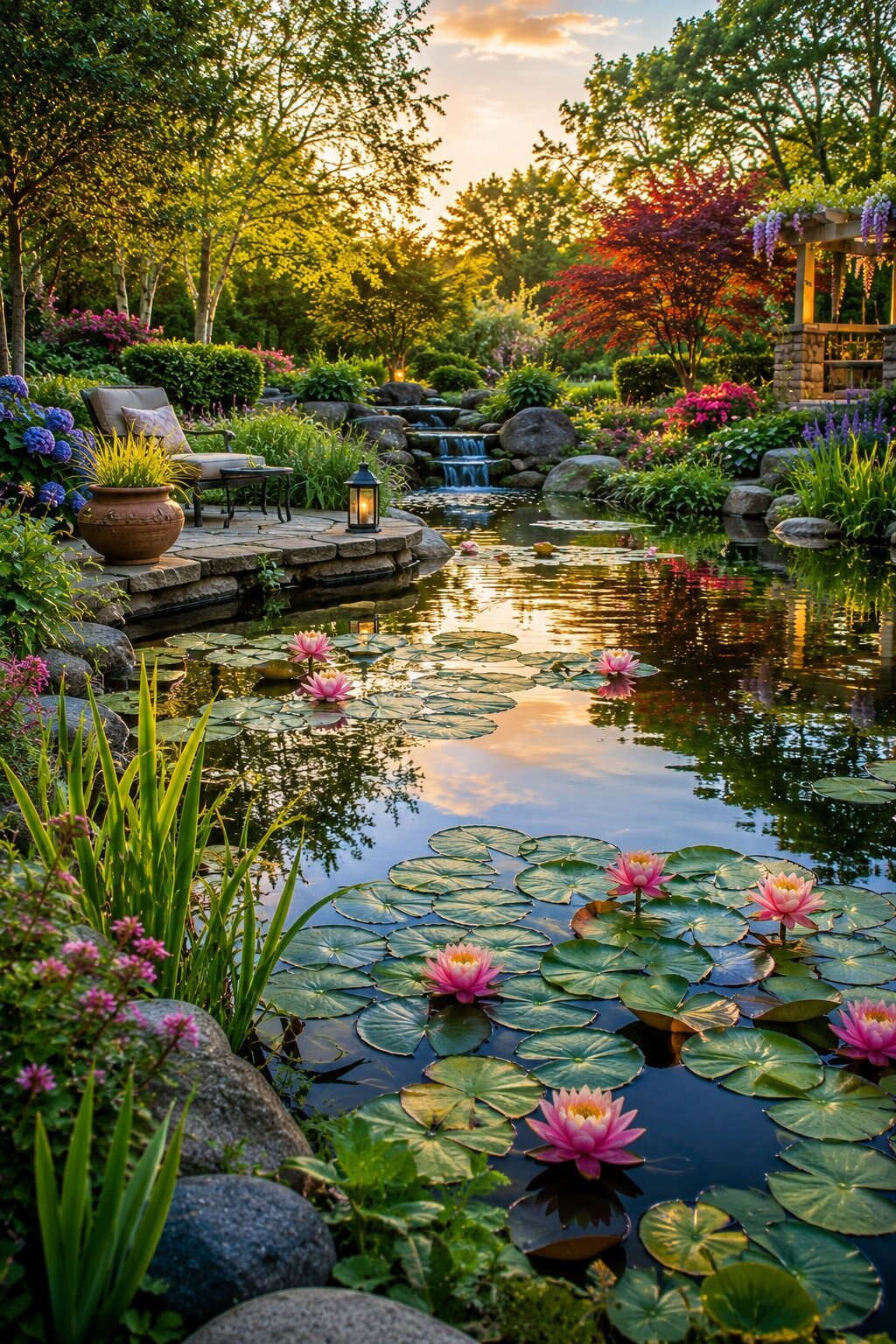
Water features consistently rank among the most captivating garden centerpiece ideas because they introduce movement, reflection, and tranquility. A reflecting pond takes this concept further by creating a mirror-like surface that doubles the visual impact of surrounding plants, trees, and architectural elements.
Unlike elaborate fountains, reflecting ponds often rely on simplicity. Clean lines and still water create a sophisticated appearance that works beautifully in modern, Japanese-inspired, and luxury landscapes. Water lilies, lotus flowers, aquatic grasses, and floating plants add texture while maintaining a calm aesthetic.
A carefully positioned pond can make a garden feel larger because reflections visually expand the space. Adding subtle underwater lighting extends the centerpiece’s beauty into the evening and creates a magical atmosphere after dark. This feature becomes particularly impressive when paired with nearby seating, allowing visitors to fully enjoy the peaceful environment.
10: Garden Pavilion as a Landscape Destination
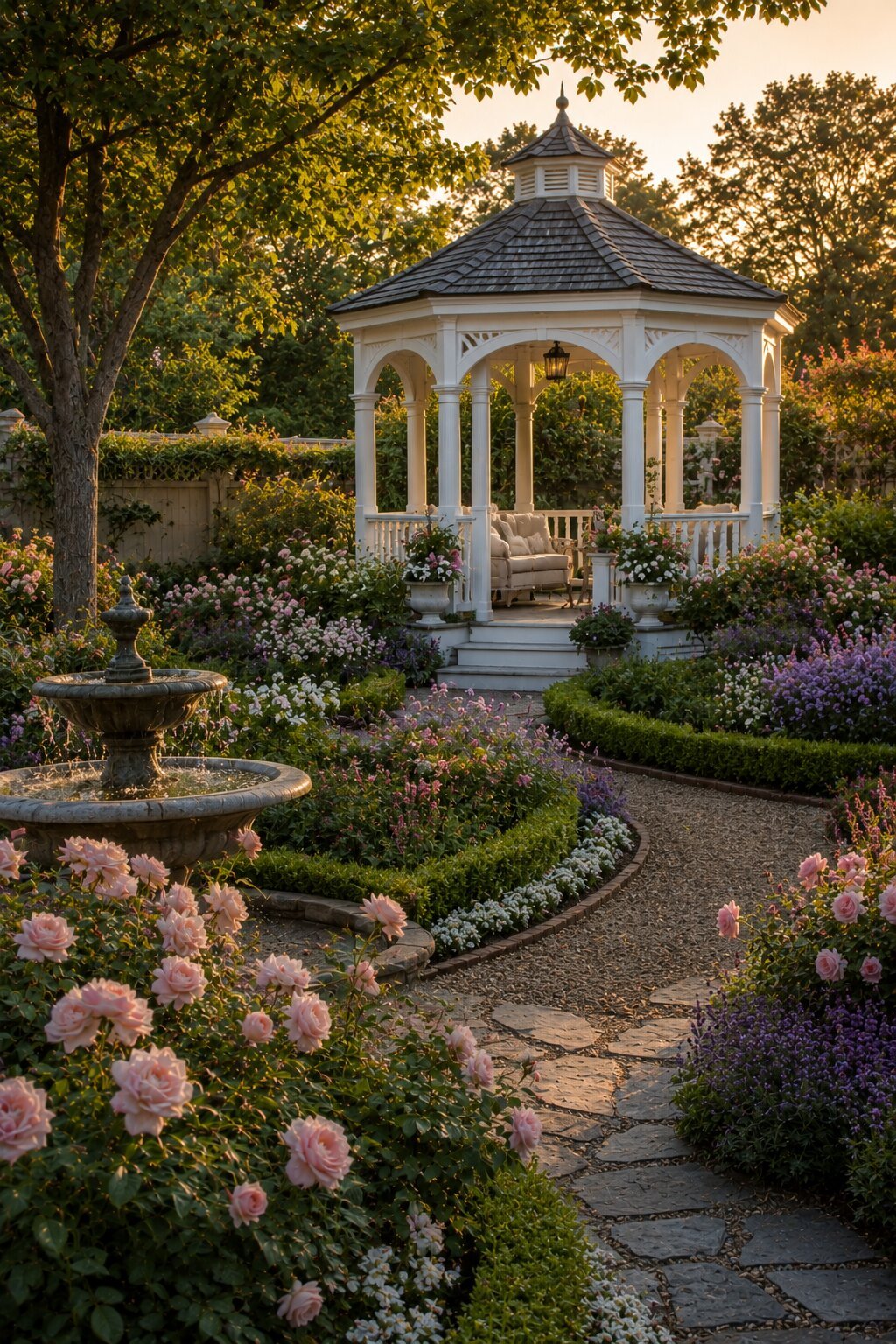
A garden pavilion creates one of the most dramatic and functional focal points available in landscape design. Rather than simply serving as a decorative element, it becomes a destination that encourages people to move through and experience the garden.
The structure provides height, architectural interest, and year-round visual presence. Depending on the design style, a pavilion can feel romantic, traditional, contemporary, or luxurious. Surrounding it with flower beds, ornamental trees, and winding pathways increases the sense of discovery and makes the entire landscape feel larger and more engaging.
For Pinterest-worthy appeal, incorporate climbing vines, hanging lanterns, outdoor curtains, or comfortable seating. These details transform the pavilion into a dream garden retreat while strengthening its role as the centerpiece of the space. This is one of the most effective solutions for large landscapes where smaller focal points may struggle to create enough visual impact.
11: Giant Topiary Feature for Timeless Structure
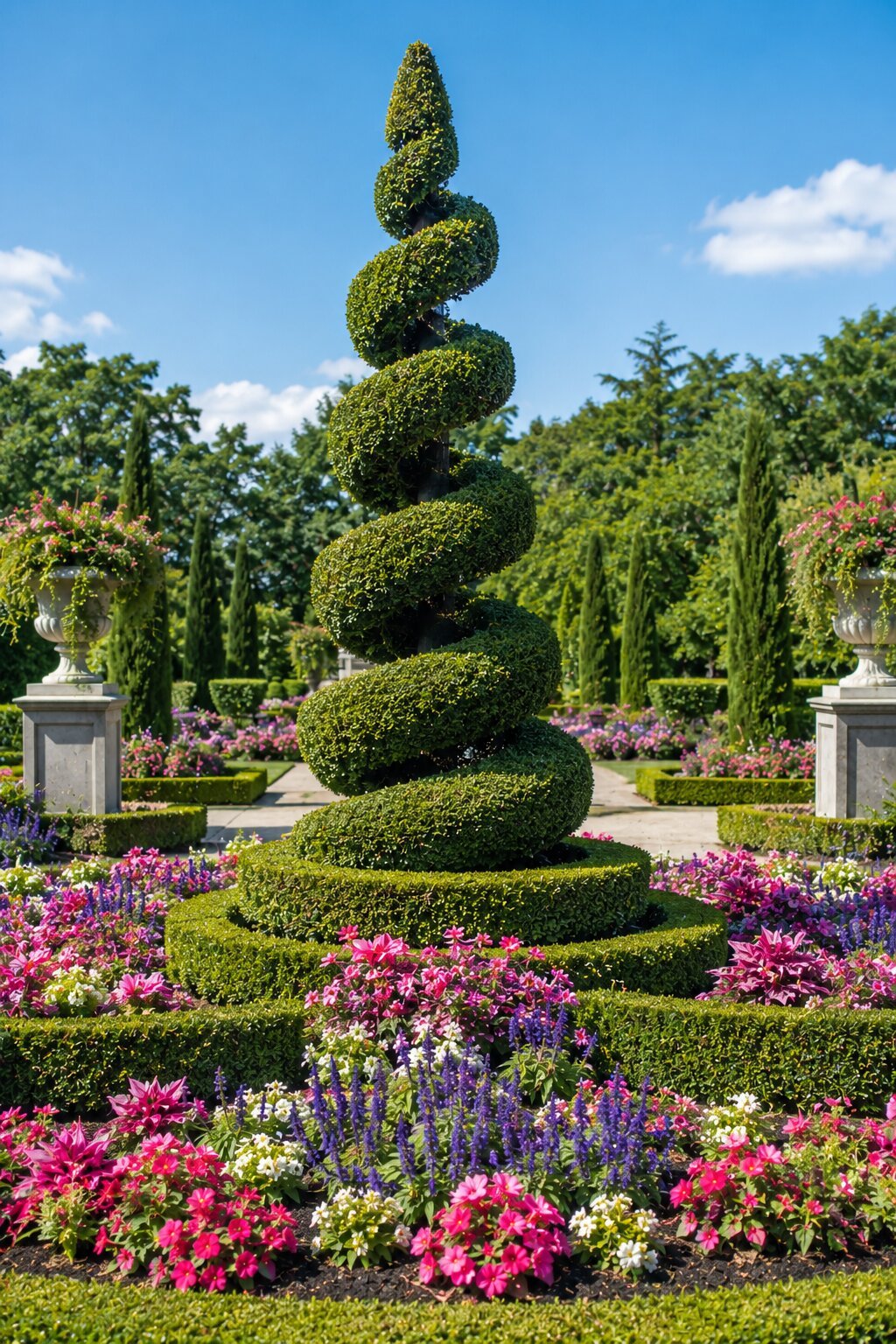
A beautifully shaped topiary instantly introduces elegance, structure, and sophistication into a landscape. While flowers come and go with the seasons, a topiary provides year-round visual impact and remains attractive regardless of weather conditions. This makes it one of the most reliable garden centerpiece ideas for homeowners who want a focal point that always looks polished.
Large spiral topiaries, globe-shaped boxwoods, tiered evergreen forms, and artistic animal-inspired topiary designs can all become dramatic centerpieces. The key is scale. A centerpiece should feel substantial enough to command attention from multiple viewing angles.
For a balanced design, surround the topiary with flowering perennials and seasonal color. This contrast between formal greenery and softer flowers creates visual harmony while preventing the landscape from feeling overly rigid. Topiaries work especially well in traditional gardens, formal front yards, and European-inspired landscapes where structure and symmetry play an important role.
12: Fire Bowl Feature with Surrounding Landscaping
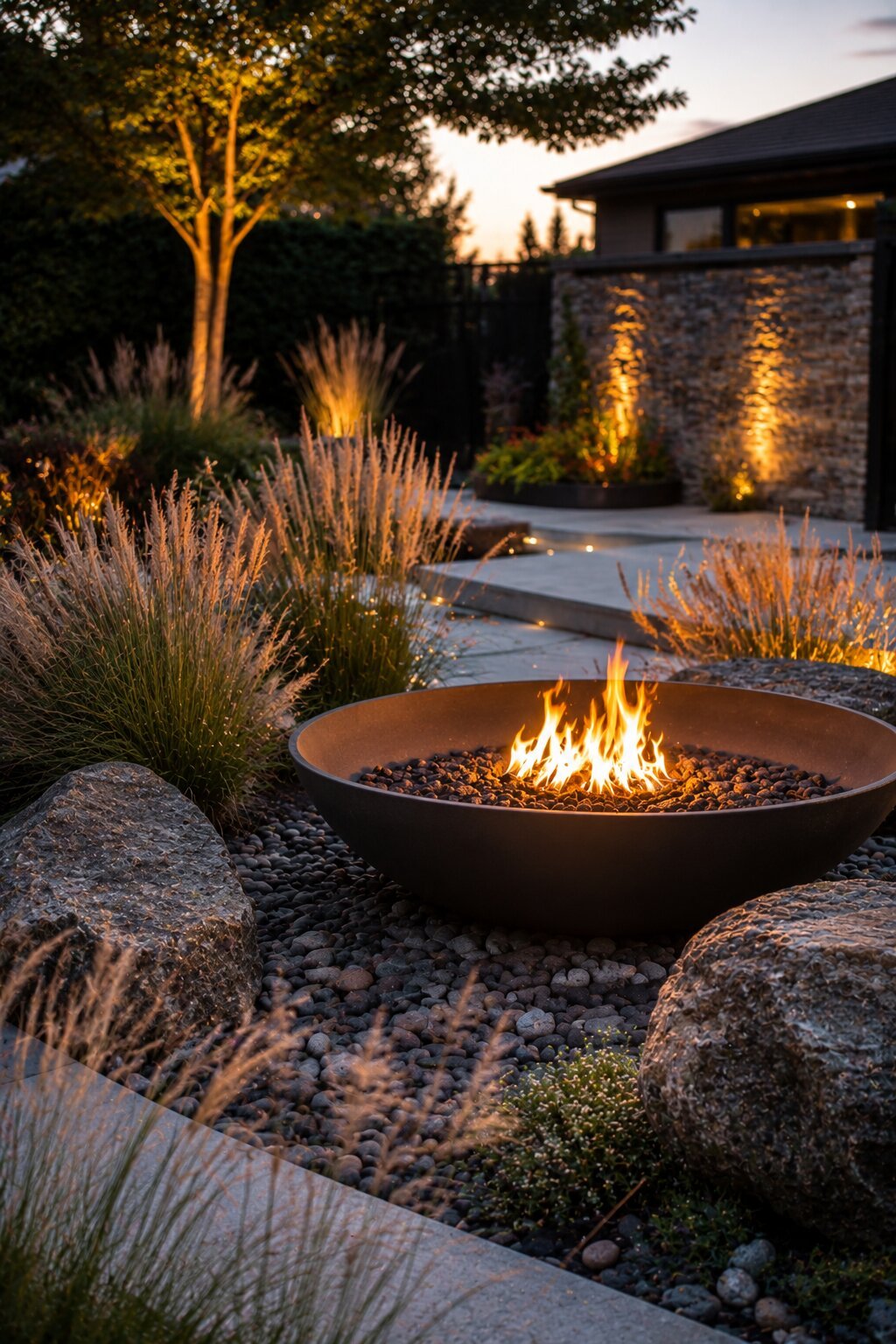
As outdoor living continues to grow in popularity, fire features are becoming major landscape focal points. A decorative fire bowl creates warmth, movement, and ambiance while serving as a stunning centerpiece during both day and night.
Unlike traditional fire pits that are often designed primarily for seating, a sculptural fire bowl acts as a piece of outdoor art. The clean shape becomes a focal point during daylight hours, while the dancing flames create dramatic visual interest after sunset.
Surround the feature with ornamental grasses, low-growing shrubs, decorative stone, and subtle landscape lighting to maximize its impact. This combination creates a luxury resort atmosphere that feels modern and inviting. A fire bowl centerpiece works particularly well in contemporary gardens where minimal planting and strong architectural features dominate the design.
13: Moon Gate Covered in Climbing Roses
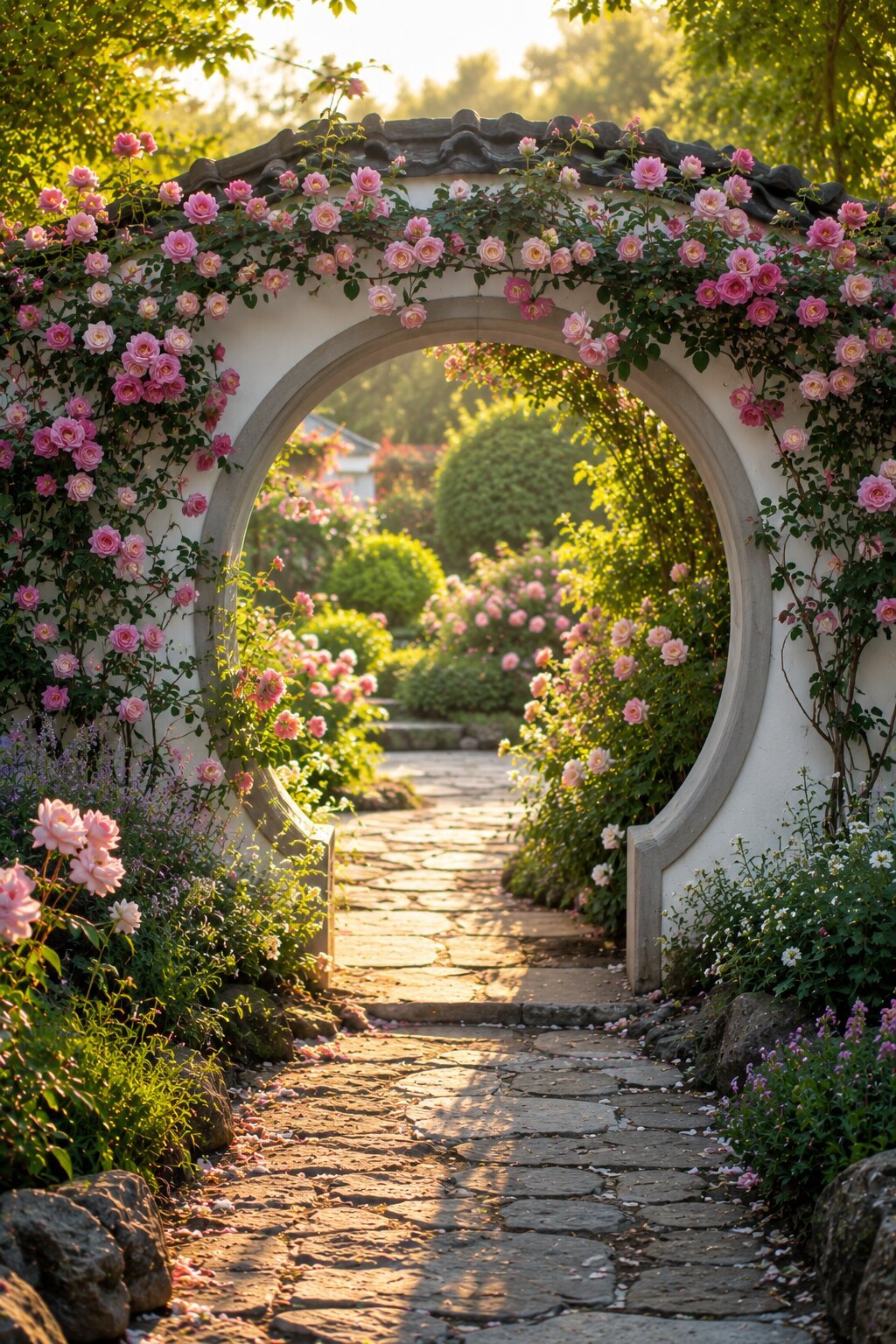
A moon gate is one of the most enchanting garden centerpiece ideas because it combines architecture, symbolism, and landscape beauty in a single feature. Originally inspired by traditional Asian gardens, moon gates have become increasingly popular in cottage gardens and luxury landscapes due to their romantic appearance.
The circular shape naturally attracts attention and creates a visual destination within the landscape. Covering the structure with climbing roses, clematis, jasmine, or wisteria enhances its magical appeal and makes it feel like something from a storybook.
Positioning a moon gate at the center of a garden or at the end of a pathway creates anticipation and encourages visitors to explore the space. It also frames views beautifully, making it one of the most photographed garden focal points on Pinterest. This centerpiece is particularly effective in cottage gardens, romantic landscapes, and gardens designed around visual storytelling.
14: Multi-Level Flower Bed Island
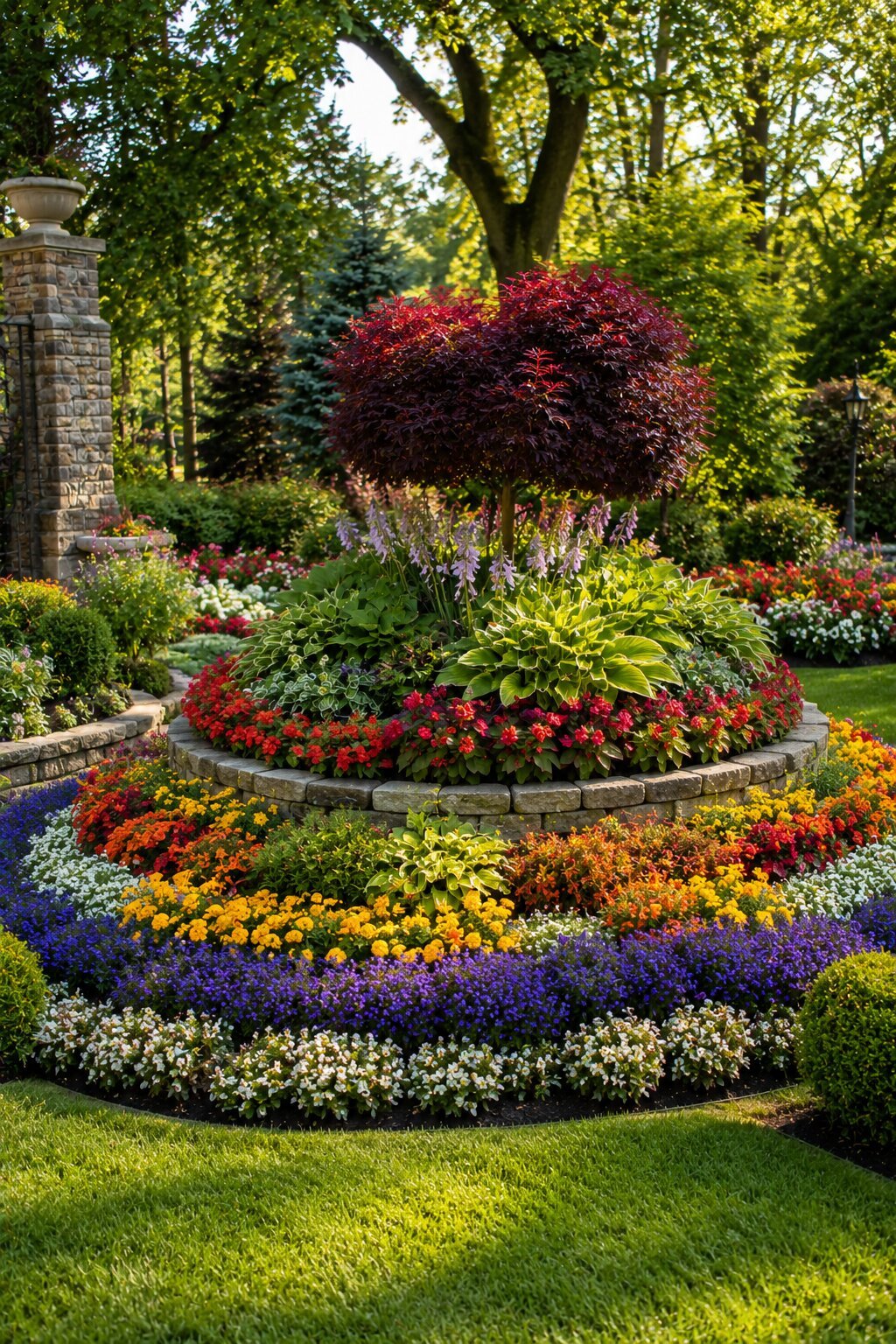
A multi-level flower island creates instant visual drama because it introduces varying heights, textures, and colors into one cohesive centerpiece. Instead of planting flowers on a flat surface, layering plants creates depth and dimension that naturally attracts attention.
Start with a taller centerpiece plant such as an ornamental tree, flowering shrub, or decorative urn. Surround it with medium-height perennials, then finish with low-growing flowers and trailing plants around the edges. This layered approach ensures that every plant contributes to the overall design without competing for attention.
One advantage of this centerpiece is its flexibility. You can adapt the design to modern, cottage, tropical, Mediterranean, or traditional garden styles simply by changing the plant selection. When viewed from a distance, the layered arrangement creates a professional landscape appearance often seen in botanical gardens and luxury resorts.
15: Statement Garden Statue with Seasonal Plantings
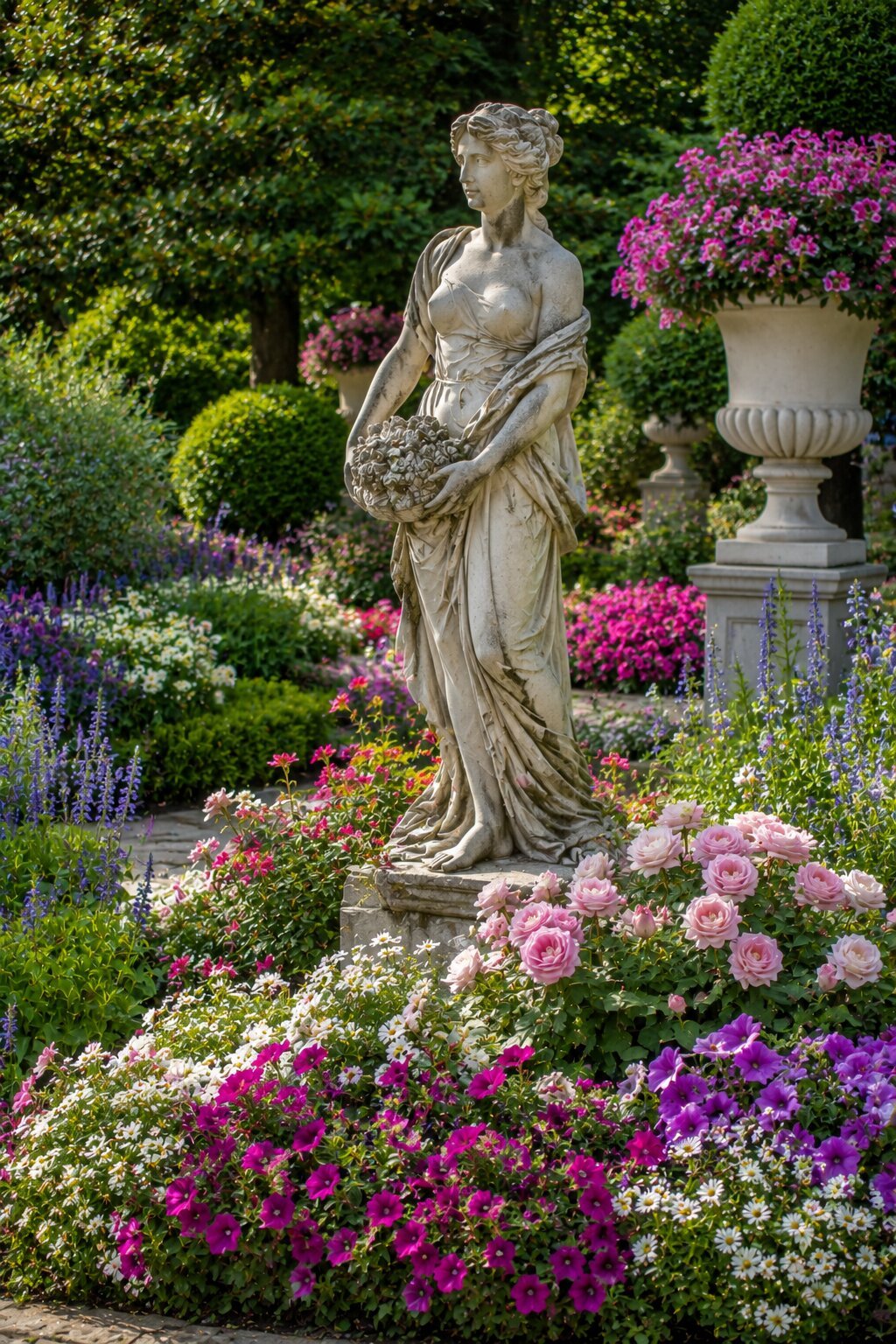
A carefully chosen garden statue remains one of the most timeless focal points in landscape design. Whether classical, contemporary, rustic, or artistic, a statement statue introduces personality and creates a strong visual anchor within the garden.
The surrounding landscape plays a critical role in making the statue successful. Instead of placing it alone on a lawn, frame it with carefully selected flowers, ornamental grasses, and decorative shrubs. This approach creates a sense of importance and naturally directs attention toward the feature.
Garden statues work especially well when they reflect the overall style of the landscape. A classical sculpture complements formal gardens, while modern artistic pieces enhance contemporary outdoor spaces. The combination of permanent structure and changing seasonal plantings keeps the centerpiece visually interesting throughout the year.
Conclusion
The most beautiful landscapes almost always have a focal point that gives the garden direction, personality, and structure. Whether you prefer a romantic rose garden, a dramatic fountain, a flowering ornamental tree, a sculptural modern feature, or a peaceful reflecting pond, the right centerpiece transforms an ordinary outdoor space into a memorable destination.
When choosing a garden centerpiece, consider the size of your landscape, your home’s architectural style, maintenance preferences, and how you want visitors to experience the space. The most successful focal points feel intentional, balanced, and connected to the surrounding design.
These stunning garden centerpiece ideas for 2026 prove that a single feature can dramatically elevate the beauty, value, and visual impact of an entire landscape.